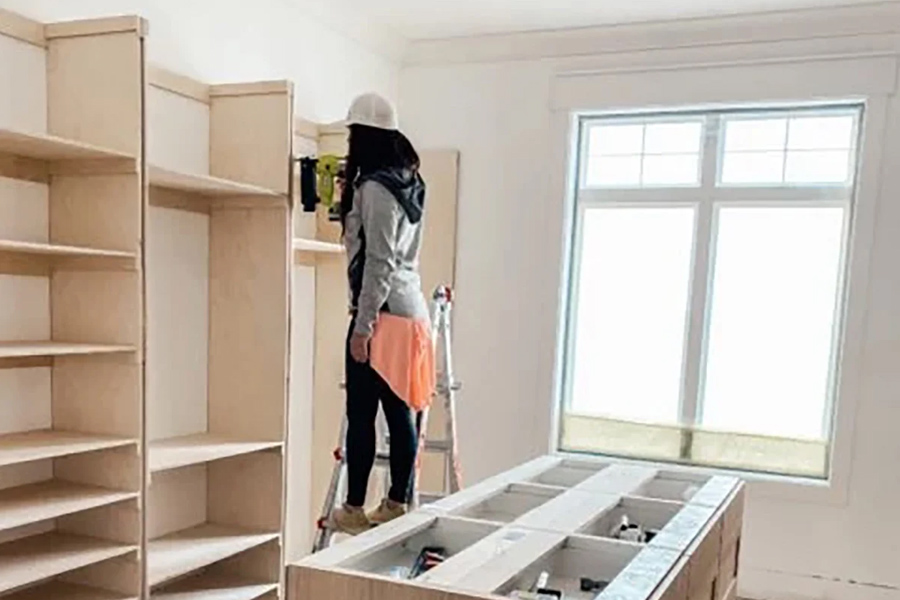
A closet should do more than store clothes—it should streamline your routine, save time, and keep your home organized, notes TCT Property Management team. However, many homeowners deal with closets that feel cramped, cluttered, or poorly designed. Creating a functional closet begins with understanding your needs and how you use the space. For those considering closet systems, the goal isn’t just more storage but smarter, more efficient storage. With thoughtful planning and design, your closet can become one of the most practical spaces in your home.
Start With How You Actually Use Your Closet
The first step in building a better closet is an honest assessment of your habits. Consider what you use daily, weekly, and seasonally. Do you prefer hanging clothes or folded storage? Do you have a lot of shoes, accessories, or outerwear? Your lifestyle should guide your closet’s design. For instance, seasonal clothing, outdoor gear, and bulky items like jackets need more space than a standard closet typically offers, and a well-designed system can accommodate them without crowding everyday essentials. Create an inventory of your belongings and note how often you use each item to determine the right mix of hanging space, shelving, drawers, and specialty storage.
Plan a Layout That Maximizes Space
Once you’ve assessed your needs, you can start planning a layout that uses your space efficiently. Many closets waste vertical space or leave corners underutilized, but smart design uses every available inch. Double-hanging rods can instantly increase storage for shirts and pants, while tall shelving is perfect for seasonal items or bins. Drawers help keep smaller items organized and accessible. Even narrow closets can benefit from adjustable shelving and customized spacing. For homes with unique layouts or sloped ceilings, a custom design ensures no space is lost, turning awkward areas into useful storage zones.
Choose Storage Features That Match Your Routine
A well-organized closet should make your daily routine easier. Keep frequently used items at eye level and within easy reach, while less-used items can be stored higher or in deeper sections. Accessory drawers, pull-out trays, and shoe racks help reduce clutter and keep everything visible. If your mornings are rushed, clear organization saves time and reduces stress. For families, separate zones for each person maintain order and avoid confusion. Closet systems should adapt to your needs, not the other way around—this is the key benefit of customized storage solutions.
Think Long-Term and Stay Flexible
A well-designed closet should meet your needs today and adapt as your lifestyle changes. Adjustable shelves and modular components make it easy for your closet to evolve with you. If you plan to stay in your home long-term, flexibility is key. Children grow, wardrobes shift, and storage needs change over time. A reconfigurable system eliminates the need for costly renovations, saving time and money in the future. Many homeowners choose adjustable closet systems to handle seasonal changes and evolving storage needs.
Balance Function With Style
While functionality is crucial, style shouldn’t be an afterthought. Your closet should be a natural extension of your home, with finishes, colors, and materials chosen to complement your interior design. A cohesive look makes the space more enjoyable. Neutral tones can create a calm atmosphere, while darker finishes add sophistication. Even small details like handles and trim can elevate the closet’s overall feel, making it feel intentional rather than haphazard.
Avoid Common Closet Design Mistakes
Many closet issues stem from poor planning. A common mistake is prioritizing hanging space while overlooking drawers and shelves. Another is underestimating your storage needs, which leads to overcrowding and makes organization difficult. Leaving some space for future additions prevents the system from feeling cramped. Poor lighting is also a frequent problem, as a well-lit closet makes it easier to find items and keeps the space feeling open. Thoughtful planning from the beginning can help avoid these issues and ensure your closet functions effectively.
Why a Personalized Closet Makes Daily Life Easier
A closet tailored to your needs simplifies daily life. It reduces clutter, saves time, and brings a sense of order to your home. Instead of wrestling with messy shelves or overflowing racks, you’ll have a space that works with your routine. For homeowners juggling busy schedules, a well-designed closet is more than a luxury—it’s a practical investment in comfort and efficiency.
Conclusion
Creating a functional closet starts with thoughtful planning and a clear understanding of your needs. From layout and storage features to flexibility and style, every detail matters. For those exploring closet systems in Park City, prioritizing personalization and long-term usability ensures a space that truly enhances daily life. A well-designed closet doesn’t just store your belongings—it supports your lifestyle.