Hair restoration continues to advance as specialists refine techniques that improve natural growth, density, and long-term stability. Among these approaches, the MFU hair transplant method has become a valuable option for patients seeking precise, natural results. MFU, or Multiple Follicular Unit transplantation, offers a structured and effective way to restore hair in both men and women, particularly when larger areas of thinning need to be addressed.
For women exploring options for female hair transplant in Raleigh, NC, understanding how MFU procedures work is an important part of choosing the right treatment path. This article outlines how Raleigh specialists perform MFU transplants, what patients can expect during the process, and how the method supports natural-looking hair growth.
Understanding MFU Hair Transplant Procedures
An MFU hair transplant involves transplanting groups of follicular units—naturally occurring clusters of one to four hairs—rather than separating every graft into individual units. These grafts are harvested from the donor area and then placed strategically to rebuild density and coverage.
MFU is not the same as the traditional strip method or FUE. Instead, it utilises carefully prepared grafts that contain multiple follicular units, allowing for more efficient coverage when treating larger or more advanced thinning.
Why MFU Is Beneficial for Female Hair Transplant in Raleigh, NC
Women experience hair loss differently from men. Instead of receding hairlines or specific bald patches, many women develop diffuse thinning across the scalp. Because MFU techniques can place more hairs per graft while maintaining a natural look, they offer several advantages for female patients.
Improved Density
MFU grafts allow surgeons to place more hairs in targeted areas without overcrowding the scalp. This helps women who want to restore the appearance of fuller, thicker hair across a wider region.
Natural Hair Patterns
Because follicular units are placed in groups similar to how they grow naturally, MFU creates a result that blends smoothly with existing hair.
Efficient Use of Donor Hair
Women often have stable donor zones but require thoughtful planning to maximise coverage. MFU helps achieve this by transplanting more hairs with fewer incisions.
How Raleigh Specialists Perform MFU Hair Transplants
Specialists offering MFU hair transplant procedures in Raleigh follow a detailed and structured approach to ensure consistent and natural outcomes. While techniques vary slightly between clinics, most procedures include the following steps.
Consultation and Assessment

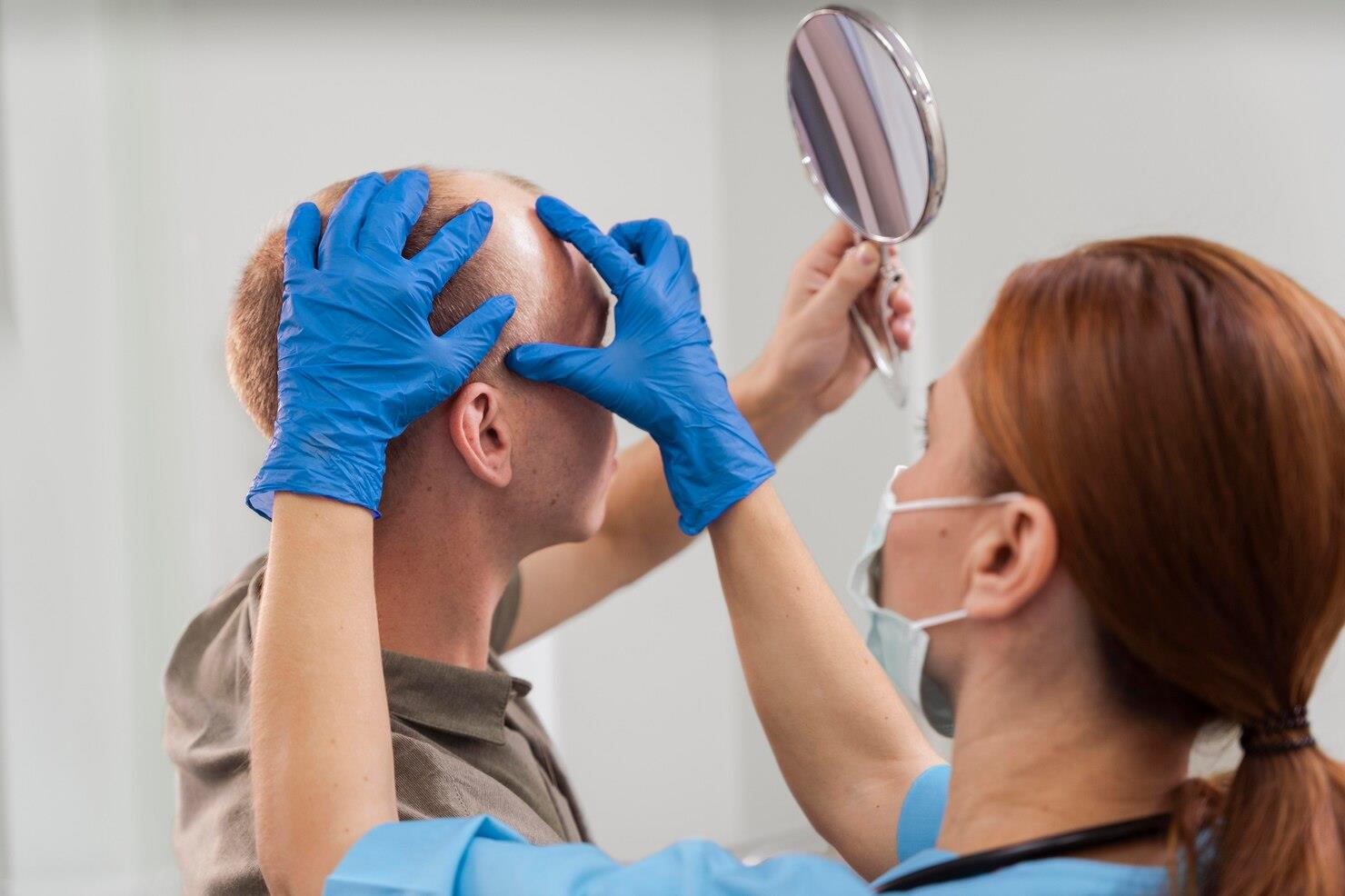
A thorough evaluation is the foundation of a successful transplant. During the consultation, the specialist will assess:
- Hair density in donor areas
- Pattern of thinning
- Scalp quality and elasticity
- Medical history and contributing factors
- Goals and expectations
For female hair transplant in Raleigh, NC, the evaluation also considers hormonal influences, diffuse thinning patterns, and future stability of the donor hair.
Donor Area Preparation
The donor region—typically the back of the scalp—contains follicles that are genetically resistant to thinning. Specialists trim or shave only the necessary area to prepare for extraction.
Harvesting MFU Grafts
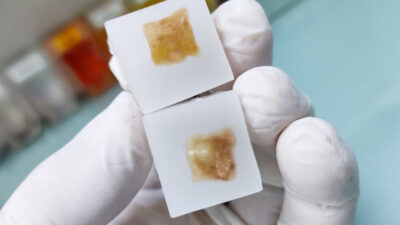
In MFU procedures, the surgeon removes a narrow strip of tissue from the donor zone. The tissue is then passed to trained technicians who dissect it under magnification. Instead of dividing the follicles into single units, the technicians prepare grafts containing multiple follicular units.
This step ensures grafts remain intact, healthy, and prepared for high survival rates once transplanted.
Designing the Recipient Area
Creating a natural look requires thoughtful planning. Raleigh specialists design the recipient area based on:
- Natural hair direction
- Density requirements
- Patient’s age and long-term hair behaviour
- Aesthetic balance
For women, ensuring a soft, natural framing of the face is particularly important.
Graft Placement
Surgeons create tiny incisions in thinning areas and carefully place MFU grafts according to the preplanned distribution.
Key considerations during placement include:
- Direction of growth
- Angle of insertion
- Density without overcrowding
- Smooth blending with existing hair
MFU grafts allow more hair per incision, which can provide fuller coverage with fewer total grafts.
Recovery Process
Recovery after an MFU hair transplant is usually manageable, and most patients resume light activities within a few days. Patients may experience:
- Redness and mild swelling
- Tightness near the donor area
- Small scabs around the grafts
The donor incision is usually closed with sutures, which are removed approximately 10–14 days later.
Patients are given clear aftercare instructions regarding hair washing, sleeping position, and activity restrictions.
Timeline for Results
Like other transplant techniques, MFU follows a predictable growth cycle.
First Few Weeks
Some shedding of transplanted hairs is expected. This is a normal part of the follicle’s adjustment phase.
Three to Four Months
New growth begins to appear, usually fine at first.
Six to Nine Months
Hair becomes thicker and more noticeable as the grafts mature.
Twelve Months and Beyond
Full results typically settle in by 12–15 months, with continued improvement as the hair strengthens.
MFU techniques are known for delivering strong density and long-lasting results when performed by experienced specialists.
How MFU Compares to Other Hair Restoration Methods
While MFU is highly effective, some patients benefit from combining it with other treatment options available for female hair transplant in Raleigh, NC.
MFU vs FUE
- MFU provides more density with fewer incisions.
- FUE avoids a linear scar but requires more donor extractions.
- Some women with diffuse thinning are better suited for MFU because it efficiently uses donor hair.
MFU and Supportive Therapies
Specialists may recommend additional treatments to enhance results, such as:
- PRP therapy
- Laser therapy
- Medical management for female pattern thinning
These therapies support scalp health and help protect surrounding native hair.
Who Is a Good Candidate for MFU Hair Transplant?
MFU may be a good option for female hair transplant in Raleigh, NC, if the patient:
- Has stable donor hair
- Wants fuller density across larger regions
- Prefers natural, long-lasting results
- Has realistic expectations
- Is comfortable with a donor incision
A consultation is essential to determine suitability.
Final Thoughts
An MFU hair transplant offers a powerful and natural-looking solution for women seeking fuller coverage and improved density. Specialists performing female hair transplant in Raleigh, NC often turn to MFU for its ability to produce strong, natural results while making efficient use of donor hair.
With careful planning, skilled surgical technique, and proper aftercare, MFU procedures can restore confidence and provide long-term enhancement for women experiencing significant thinning or pattern-related hair loss.