Key Takeaways
- Heat pumps provide reliable heating and cooling, enhancing comfort throughout the year.
- Technological improvements continue to drive efficiency and affordability.
- Incentives and policy support are quickening the pace of heat pump installations worldwide.
- Heat pumps are crucial to lowering household energy costs and shrinking carbon footprints.
Homeowners today are increasingly seeking efficient solutions for year-round comfort amid changing climates and rising energy costs. As technology shifts and green incentives grow, heat pump installation for your home is rapidly emerging as a smart upgrade. Heat pumps offer a modern approach to heating and cooling that both conserves energy and aligns with global climate objectives. These systems are not only redefining household comfort but also setting new benchmarks in sustainability.
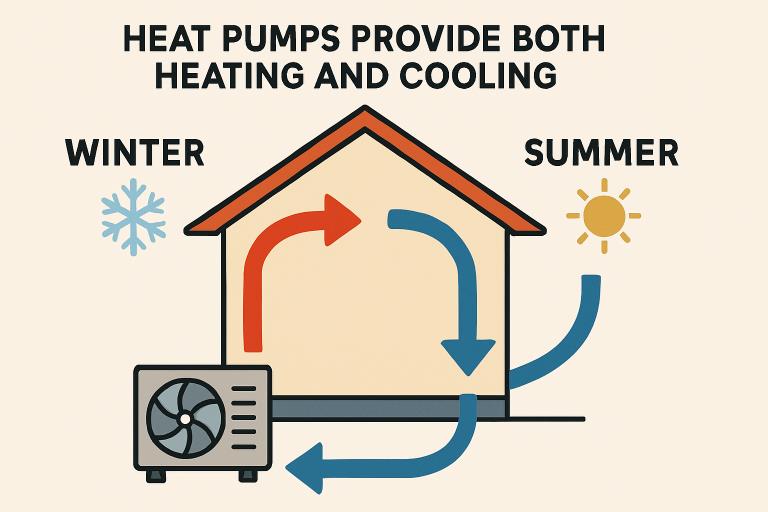
Unlike traditional furnaces and air conditioners, heat pumps move heat to where you need it most—inside during winter and outside during summer—making them more flexible and energy-conscious, points out LRES Property Management experts. This technological leap is more than a passing trend; it is fundamentally transforming how we think about comfort, efficiency, and environmental responsibility in our homes.
The adoption of heat pumps is being driven by increasing environmental awareness, ongoing innovations, and government action. Smart controls and advancements in capability have made modern heat pumps accessible for all climates, further boosting their appeal. Financial incentives and expanded installer networks are rapidly breaking down old barriers, accelerating adoption in both new builds and retrofits.
Amidst these shifts, forward-thinking homeowners, builders, and policymakers are increasingly recognizing the value of this approach. The result? Broadening energy access, lowering emissions, and achieving a more sustainable future for communities worldwide.
Introduction to Heat Pumps
Heat pumps function by transferring heat from one area to another, enabling the same system to provide both heating and cooling as needed. Unlike systems that generate heat through fuel combustion or electric resistance, heat pumps transfer heat, making them significantly more energy-efficient. As a result, homeowners benefit from consistent indoor temperatures and reduced operational costs without the carbon-heavy drawbacks of traditional HVAC systems. This dual-purpose capability maximizes the return on investment for property owners and achieves widespread appeal across various climates.
Technological Advancements in Heat Pumps
In the past, heat pump efficiency dropped sharply in cold weather. Today’s cutting-edge models feature variable-speed compressors and improved refrigerants, enabling them to maintain reliable performance even in extreme outdoor temperatures. Many new units are also equipped with smart thermostats, facilitating remote operation, learning behaviors, and real-time energy optimization. The integration of these technological improvements enables personalized comfort settings while curbing unnecessary energy use, ultimately leading to more sustainable homes.
Additionally, ongoing research from industry leaders and universities continues to push the efficiency and carbon reduction potential of heat pumps even further, helping address larger climate goals worldwide. The U.S. Department of Energy highlights that modern air-source heat pumps demand 50% less electricity compared to electric resistance heating, marking a clear shift towards eco-friendly home comfort.
Government Initiatives and Incentives
National and local governments have made heat pumps a central part of their plans for energy resilience and climate action. The U.S. Climate Alliance and similar international alliances are working to quadruple the number of installations by the end of the decade. In the UK, recent planning reforms have eased restrictions, making it easier for homeowners to switch from fossil-fuel-based heating to environmentally friendly heat pumps. These policies are complemented by extensive tax credits, grants, and rebates designed to offset the higher upfront costs of installation, thereby opening the market to more families and communities.
Economic and Environmental Benefits
Lower Energy Bills and Increased Home Value
Heat pumps slash monthly utility expenses by consuming less energy than conventional systems. As utility rates rise, the savings compound over time, making this technology increasingly popular among budget-conscious homeowners. Additionally, installing a heat pump can enhance a home’s property value by improving its energy rating and future-proofing its appeal.
Reducing Carbon Footprints and Improving Equity
The environmental benefits of heat pumps are just as compelling. According to a New York Times report, widespread adoption has the potential to lower carbon emissions across entire cities and regions significantly. Notably, Carnegie Mellon University research emphasizes that heat pumps also help shrink the energy equity gap by providing efficient heating and cooling to low-income or underserved areas.
Overcoming Adoption Barriers
One of the key challenges to widespread heat pump adoption has been initial installation costs and a shortage of certified installers. Strategic responses to these barriers are having a positive impact. Legislative measures such as the Inflation Reduction Act in the U.S. now grant homeowners direct rebates and tax incentives. At the same time, local governments support training for installers to ensure a larger, skilled workforce. As these programs expand, the affordability and accessibility of heat pump technology continue to improve, making it an increasingly common choice even for older buildings in need of retrofits.
Future Trends in Heat Pump Installation
The momentum behind heat pump adoption shows no signs of slowing. Manufacturing improvements are expected to drive down costs and increase availability. Innovative AI-driven energy management and advanced diagnostic tools promise even greater efficiency and user customization. As these systems become more mainstream, the development of versatile, all-weather models is expected to democratize access to advanced home comfort solutions further. The next wave of innovation is likely to focus on integrating heat pumps with renewable energy sources, enabling homes to become net-zero energy users and aligning with the broader trend of electrification in residential energy.
Conclusion
The installation of heat pumps marks a transformative shift in how we achieve efficient, comfortable, and sustainable living. As technological advances and government incentives reduce barriers, heat pumps are poised to become the foundation of home comfort for decades to come. By embracing this innovative technology, homeowners contribute to energy conservation, cost savings, and the fight against climate change—paving the way for a greener, more resilient future.