Key Takeaways
- A comprehensive new hire checklist streamlines the onboarding process, ensuring no critical steps are missed.
- Effective onboarding enhances employee engagement, productivity, and retention.
- Incorporating mentorship and clear communication fosters a positive work environment.
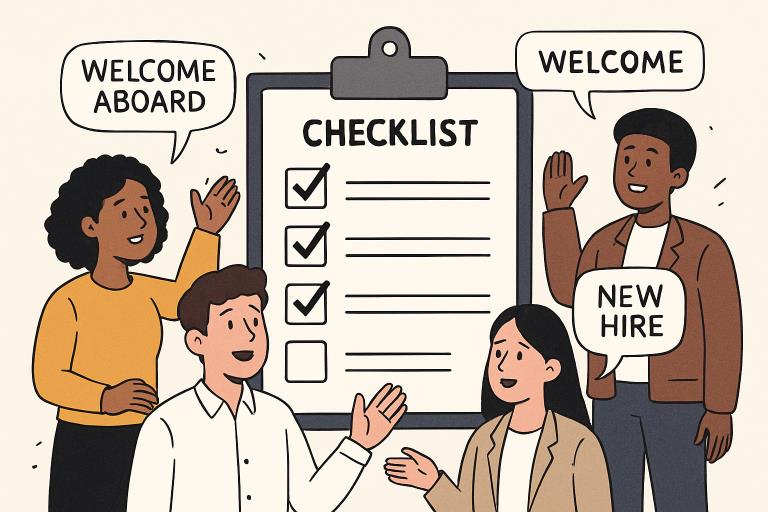
When organizations welcome new employees, the onboarding process is their first introduction to company culture and expectations. To ensure this experience is seamless and productive, many HR teams rely on a new recruit checklist. Such a checklist goes far beyond paperwork; it’s a structured guide for integrating new hires effectively and helping them settle in quickly.
An organized onboarding process reduces anxiety for new employees, clarifies their roles, and encourages faster productivity. With the support of a robust checklist, leadership and peers alike can work together to ensure new hires are welcomed, informed, and empowered—an environment that pays dividends in long-term retention and employee satisfaction.
Successful onboarding is not just a crucial HR task; it’s a strategic investment in the company’s future growth and cohesion. With today’s hybrid and remote work environments, having a reliable checklist ensures that everyone receives a consistent and complete introduction, regardless of their location or department.
As organizations continue to compete for top talent, the ability to deliver a smooth onboarding experience stands out as a key differentiator. A thoughtful approach to onboarding can reinforce your employer brand and maximize the potential of every employee from the very start.
Pre-Boarding: Laying the Groundwork
Effective onboarding starts before the first day. A pre-boarding process ensures that new hires feel valued even before they enter the office or log in remotely. This stage includes sending a welcome packet, preparing equipment, setting up email accounts, and managing compliance paperwork. Communicating essential details, such as their start schedule or what to expect on the first day, goes a long way in putting new hires at ease.
First Day: Making a Lasting Impression
The first day creates a powerful and lasting impression. It should be welcoming, supportive, and well-structured. A tour of the office (virtual or in-person), team introductions, and an organized orientation help employees acclimate more effectively. HR teams should highlight the company’s values and culture, while leaders clearly articulate job responsibilities and explain how the individual fits into the organization’s broader mission. Research indicates that employees who feel connected from the outset are more likely to be productive and engaged in the long term.
First Week: Building Connections
A strong onboarding process extends throughout the first week. Assigning a mentor or onboarding buddy is a proven strategy for building confidence and fostering a sense of belonging. The mentor can answer day-to-day questions, introduce the new hire to colleagues, and provide valuable context about team projects and norms. These relationships are crucial for building trust, reducing turnover, and integrating new hires into team dynamics.
Setting Expectations and Encouraging Dialogue
Within the first week, supervisors should establish clear and achievable expectations for performance and behavior. Encouraging open communication and regular check-ins helps address questions or concerns before they become obstacles. Employees should also be introduced to the resources and support systems available—everything from training platforms to workplace wellbeing programs.
First Month: Encouraging Growth
The first month is a critical phase for evaluating progress and reinforcing learning. Regular feedback sessions provide opportunities for praise, constructive guidance, and realignment if needed. Setting short-term goals and discussing initial challenges helps the new hire stay motivated and focused on their objectives. Additionally, a review of training needs and knowledge gaps ensures continued support—the goal is for every employee to feel both challenged and supported as they grow in their role.
Beyond the First Month: Ensuring Long-Term Success
Successful onboarding doesn’t end after a few weeks. Organizations that provide ongoing mentorship, career development opportunities, and social engagement keep employees motivated and committed to their work. Encourage participation in networking events, training sessions, and team-building activities to foster a collaborative and inclusive work environment. This investment in professional growth and relationship building helps cultivate a loyal, high-performing workforce, reducing costly turnover.
Monitoring and Adaptation
Continual check-ins with new employees ensure concerns are addressed early and allow for adjustments to onboarding programs as needed. Leaders should actively seek feedback from recent hires to identify gaps or opportunities for further improvement.
Common Pitfalls to Avoid
- Overwhelming new hires with information all at once is far less effective; a phased approach is far more effective.
- Neglecting to set clear expectations and early goals can leave employees feeling lost or undervalued.
- Failing to authentically integrate new hires into team culture—recognition and social connections drive long-term engagement.
Conclusion
A new hire checklist is far more than a procedural requirement—it establishes the groundwork for an employee’s long-term success. By organizing essential tasks and ensuring every step of the onboarding journey is intentional, organizations create clarity and reduce early uncertainty. When paired with open communication, structured training, and mentorship, the checklist becomes a tool that helps new employees feel supported and confident in their roles. It also encourages managers to provide consistent guidance and follow-through. As businesses invest in well-designed onboarding practices, they foster stronger engagement, quicker productivity, and a sense of belonging. Ultimately, this thoughtful approach fosters a workplace culture grounded in high performance, trust, and enduring employee commitment.