Planning a holiday should be about beaches and family time—not toothaches and frantic pharmacy runs. But travel can disrupt routines, increase sugary “treat” frequency, and create perfect conditions for dental problems in children (and parents). If you want a dependable local starting point for support during your trip, you can contact Dentist in Marbella early in your stay so you know where to go if something comes up.
This guide focuses on Family Dental Care on the Costa del Sol: Tips for Parents Traveling with Kids, with practical steps for prevention, what to pack, what to do in common emergencies, and how to keep children comfortable if they need to see a dentist while you’re away.
Family Dental Care on the Costa del Sol: why travel raises dental risk for kids
Travel changes the “inputs” that keep mouths healthy: sleep schedules shift, snacks become frequent, brushing gets rushed, and kids sip juice, fizzy drinks, or sports drinks for longer periods in the heat. The biggest risk factor for cavities isn’t just how much sugar a child eats—it’s how often teeth are exposed to sugar and acid throughout the day. Every snack or sweet drink can trigger an acid attack that temporarily softens enamel; repeating that cycle many times daily makes decay more likely, especially in younger children whose enamel can be thinner and less mineralized.
Useful facts parents can act on:
- Frequency matters: five small sugary exposures can be worse than one dessert with a meal because the mouth doesn’t get time to recover between “acid hits.”
- Dry mouth matters: flying, air-conditioned hotel rooms, and dehydration reduce saliva. Saliva is your child’s natural defense because it buffers acid and delivers minerals back to enamel.
- Routine matters: kids often brush less thoroughly on holiday; plaque builds faster than many families expect when routines slip for even a week.
A simple mindset helps: you’re not trying to control everything—just keep the “protective basics” consistent so minor issues don’t become urgent problems mid-trip.
What to pack for family dental care while traveling (and what most parents forget)
Packing a small dental kit prevents 80% of avoidable problems and makes you calmer if something happens. The key is to pack for prevention + comfort + temporary protection.
The essential travel dental kit for kids and parents
- Toothbrushes (one per person) + 1 spare
- Fluoride toothpaste
- Under 3: use a smear/rice-grain amount (as advised by your dentist)
- Ages 3+: pea-sized amount
- Many family toothpastes are around 1,000–1,450 ppm fluoride (check the label)
- Floss or floss picks (especially if your child has tight contacts)
- Orthodontic wax (lifesaver for braces/aligners irritation)
- Sugar-free gum (for older kids who can safely chew it) to stimulate saliva after meals
- A small bottle of alcohol-free mouth rinse (optional; not a substitute for brushing)
“Most-forgotten but helpful” items
- Child-safe pain/fever medicine you already know how to dose (ask your pediatrician before travel)
- A soft diet backup plan: instant oatmeal, yogurt, soups—useful if a tooth is sore
- A clean container for aligners or retainers (napkins are how appliances get thrown away)
- If your child has a history of tooth trauma: a sports mouthguard for active days (waterparks, scooters, football)
Quote worth remembering: “Pack for the problem you most don’t want to deal with.” For many families, that’s a cracked filling, a loose orthodontic bracket, or a painful tooth that could have been prevented with steady brushing.
Daily routine on holiday: how to keep kids’ teeth healthy without being strict
The “two-minute anchor” that makes a real difference
Even when schedules are chaotic, protect two anchors:
- Brush at night (the most important brush)
- Brush in the morning
Night brushing matters more because saliva flow drops during sleep, so bacteria and acids can do more damage. If you can only be “perfect” once per day, make it bedtime.
Simple holiday routine tips:
- Brush before kids get sleepy (right after dinner), then water only.
- Use a timer (two minutes) and do a quick parent “finishing brush” for younger kids.
- For toddlers: brush while they lie down, head in your lap—often easier than standing at the sink.
Snacks, drinks, and beach days: the low-drama approach
You don’t have to ban treats; you just want to reduce constant sipping and grazing.
- Keep sweets to mealtimes when possible.
- Choose “less sticky” treats (sticky sweets cling longer to teeth).
- Encourage water between meals; in the heat, dehydration increases risk of bad breath and sensitivity.
Parent-friendly swap list:
- Instead of frequent juice boxes → water + whole fruit
- Instead of grazing biscuits → cheese, nuts (age-appropriate), yogurt, olives
- Instead of sipping fizzy drinks all afternoon → one drink with a meal, then water
Common dental issues while traveling with kids (and what to do first)
1) Toothache: how to decide if it’s urgent
Toothache in children can be from cavities, erupting teeth, gum inflammation, or trauma. Your first job is to spot red flags.
Do first:
- Check for food stuck between teeth; floss gently.
- Rinse with warm water.
- Offer soft foods and avoid extreme temperatures.
Seek urgent dental care if you see:
- Facial swelling, gum swelling, or a “pimple” on the gum
- Fever or your child looks unwell
- Pain that wakes them at night or doesn’t respond to appropriate pain relief
- Difficulty opening the mouth, swallowing, or breathing
2) Knocked or chipped tooth (common on active holidays)
Falls happen—especially with scooters, pool edges, and playgrounds.
If a tooth is chipped:
- Rinse the mouth gently, keep any fragments if possible, and avoid biting on that side.
- If the tooth edge is sharp, orthodontic wax can cover it temporarily.
If a permanent tooth is knocked out (older child):
- Time matters. Handle the tooth by the crown (not the root).
- If it’s dirty, rinse briefly with clean water (do not scrub).
- Keep it moist and get dental help fast. (If you’re unsure, prioritize immediate professional care.)
Important note: baby teeth are managed differently from adult teeth—don’t guess. If you’re uncertain whether the tooth is primary or permanent, treat it as urgent and get advice.
3) Braces/aligners problems: discomfort vs true emergency
Braces often cause irritation after new wires or from poking ends. Aligners can feel tight or get lost.
Quick fixes:
- Use orthodontic wax for poking wires or rough brackets.
- Saltwater rinses can soothe irritated cheeks.
- If an aligner is lost: wear the previous one (if available) to prevent shifting until you get guidance.
How to choose family dental care on the Costa del Sol during a trip
When you’re traveling, you want a clinic that is calm, clear, and efficient—especially with children who may be anxious.
Practical criteria for parents
- Clear communication: explanations in simple terms, written plan/estimate if treatment is needed
- Child-friendly approach: gentle pacing, tell-show-do style explanations, patience with fear
- Proper diagnostics: X-rays when needed for pain/trauma (not guesswork)
- Availability: ability to offer timely appointments for urgent issues
- Aftercare clarity: written instructions and what to watch for overnight
A good sign: the dentist explains options and priorities, for example: “We’ll get your child out of pain today, then plan the definitive fix when you’re comfortable.”
What to expect at a Spanish dental clinic with children (appointments and comfort)
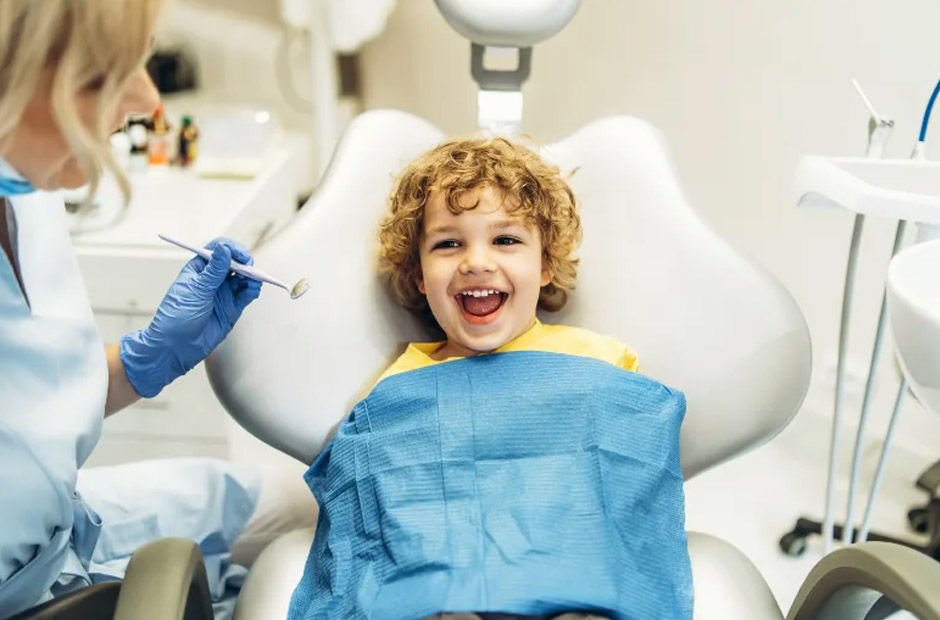
Many clinics on the Costa del Sol are used to international families, and pediatric-friendly habits are common. Appointments typically begin with a short history (allergies, asthma, medications) and a gentle exam. If X-rays are needed, they’re usually quick and digital. For children, dentists often focus on behavioral comfort first, because a calm child is safer and easier to treat effectively.
Comfort strategies you can ask for
- Shorter visits (split into steps) for anxious kids
- Clear signals (your child can raise a hand to pause)
- Numbing gel before injections when appropriate
- Calm explanations without “scary words”
Parent tip: avoid saying “it won’t hurt” (kids may not trust that). Try: “They will help you feel comfortable, and you can take breaks.”
Simple prevention plan for the whole trip (printable checklist style)
Daily
- Brush twice a day (night brush is non-negotiable)
- Water between meals; keep sweet drinks to mealtimes
- Quick floss once daily if your child can tolerate it (or use floss picks)
Every 2–3 days
- Inspect: look for swelling, white spots near gums, or a “stuck food” complaint
- Check appliances: braces wires, aligner fit, retainer storage
If pain starts
- Soft foods, gentle floss/rinse, avoid very cold/very hot
- If swelling/fever/trauma: seek dental assessment promptly
Final thoughts: stress-free family dental care on the Costa del Sol
The best “travel dentistry” is mostly boring: consistent brushing, fewer sugary sips, and a small kit that lets you handle minor issues calmly. With those basics, most families won’t need anything beyond routine prevention. And if a problem does appear, knowing what’s urgent—and choosing a clinic that communicates clearly—makes the experience far less intimidating for both kids and parents.
If you’re planning ahead, save a local contact early in your trip so you’re not searching under pressure.