Creating a secure, health-focused environment for employees is not just a regulatory obligation but also a key driver of organizational success. Businesses that prioritize safety demonstrate their commitment to employee well-being, which in turn fosters loyalty, reduces turnover, and promotes higher levels of engagement across the workforce. By establishing diligent, comprehensive safety protocols, companies ensure they meet or exceed local and federal regulatory standards while also cultivating a productive atmosphere grounded in trust and mutual respect. Awareness of workplace fire safety risks, alongside other safety considerations, forms just one critical element within a robust safety strategy that protects people and property alike.
Addressing workplace safety goes beyond legal compliance; it involves proactive strategies that anticipate hazards and empower employees. By fostering a safety culture, businesses can prevent accidents, reduce absenteeism, and enhance employee loyalty. The article discusses effective methods to improve safety, emphasizing the importance of proactive management. Organizations must stay up to date on evolving risks and legal duties, which vary by jurisdiction. Leveraging resources such as those from the National Institute for Occupational Safety and Health (NIOSH) helps develop robust safety policies and training programs.
Conduct Regular Risk Assessments
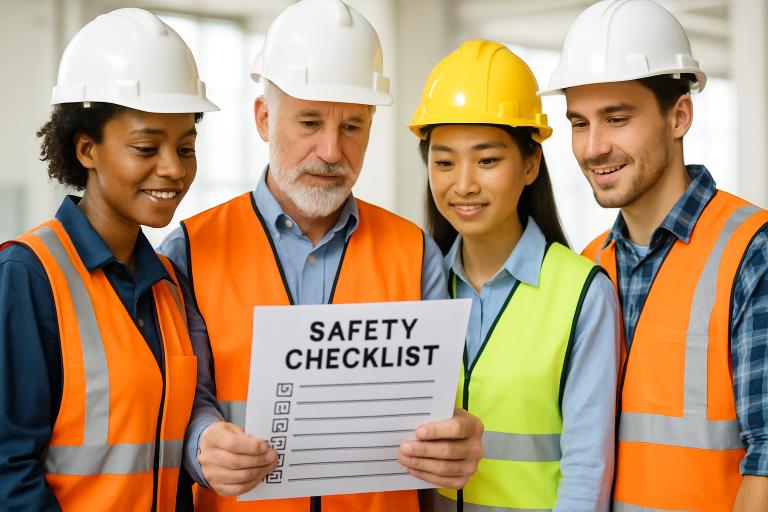
The first foundational step in any workplace safety initiative is the systematic identification of potential sources of harm. Regular risk assessments are necessary to identify a broad range of hazards, including physical risks like exposed wiring, slippery surfaces, and unstable shelving, as well as chemical, ergonomic, and environmental hazards such as poor lighting or ventilation. Risk assessments should not be treated as a one-time exercise but rather as an ongoing process that adapts to changes in the workplace, such as the introduction of new equipment, workflow changes, or workspace renovations. Documenting these assessments and actively reviewing the findings with employees ensures transparency and shared understanding. Inviting worker input in the assessment process often uncovers overlooked hazards and fosters a climate in which safety is a collective endeavor.
Implement Effective Safety Training Programs
Quality training forms the foundation for equipping employees with the knowledge and practical skills required to manage and minimize workplace risks. Comprehensive safety programs should cover a spectrum of essential topics, including accident and injury prevention, first-aid procedures, emergency evacuation protocols, and the proper use of equipment and protective gear. Engaging, interactive training sessions help employees retain vital information, while frequent refresher courses reinforce safe habits. Training should be accessible to all employees, accounting for language barriers and diverse learning styles to maximize engagement and retention. According to OSHA, customizing training sessions to suit specific job roles, for instance, office staff versus warehouse employees, significantly enhances both recall and real-world implementation of safety procedures.
Developing a Safety-First Mindset
Fostering a safety-first mindset starts with a visible, consistent commitment from organizational leadership. When supervisors and managers consistently model best practices, they set a strong example for the wider workforce. Opening clear channels for staff to discuss potential hazards or near-miss incidents without fear of blame is equally essential. Routine audits and evaluations of safety training programs, combined with regular feedback from frontline staff, ensure that procedures remain relevant and practical within a dynamic work environment. Leaders play a pivotal role in embedding safety into the workplace culture, shaping routines, rituals, and attitudes toward risk prevention.
Enforce the Use of Personal Protective Equipment (PPE)
Personal protective equipment is a critical component of any risk control strategy, particularly in environments where physical risks persist despite other preventive measures. Employers are responsible for providing appropriate PPE, such as gloves, goggles, helmets, hearing protection, or respiratory masks, tailored to the specific hazards present in the workplace. Simply supplying equipment, however, is not enough; employees must also be adequately trained in how to select, fit, maintain, and store their PPE, and understand the importance of using it consistently. Regular inspections to check for wear and tear or the need for replacements further safeguard workers from exposure to hazards. For up-to-date standards and requirements, consult OSHA’s personal protective equipment guidelines, which detail compliance obligations and best practices.
Establish Clear Emergency Procedures
In the event of an accident or emergency, the presence of well-defined, accessible procedures can mean the difference between prompt, orderly evacuation and chaos. Emergency plans should include visible evacuation maps, clearly marked and unobstructed exits, and comprehensive drills covering a range of scenarios, such as fire, earthquakes, or medical emergencies. All employees must know whom to contact, how to report different types of incidents, and where the nearest first-aid stations or fire extinguishers are located. Periodic drills, safety briefings, and posted reminders serve to keep emergency procedures fresh in everyone’s minds, resulting in better preparedness and faster response times when it matters most.
Promote a Culture of Safety
An organizational environment that places a high value on safety offers numerous benefits, including fewer incidents, improved morale, and greater job satisfaction. Promoting a culture of safety means empowering employees to report hazards or unsafe practices without fear of retaliation, and recognizing teams or individuals who contribute to a safer workplace through positive actions. Open, regular communication, whether through meetings, suggestion boxes, digital platforms, or informal conversations, ensures that employees feel heard. Transparent follow-up on reported concerns and near-misses demonstrates that leadership values input and acts on it, which further strengthens trust and engagement.
Continuous Engagement and Improvement
Workplace safety is dynamic and requires ongoing engagement from everyone. Involving employees in routine safety reviews, hazard reporting, and improvement projects not only boosts morale and accountability but also provides invaluable insights to management. Regularly updating protocols based on new safety data, employee feedback, and thorough investigations into near misses or incidents is essential to maintaining effectiveness. Continuous improvement should become embedded in the organization’s operating philosophy, with safety seen as a shared, ever-evolving priority.
Maintain Equipment and Facilities
Preventive maintenance is a cornerstone of effective safety management. Keeping machinery, tools, and common spaces in good repair reduces the likelihood of malfunctions that could endanger employees or disrupt operations. Scheduled inspections enable the early detection of wear, defects, or hazards. Clearly established procedures for employees to report issues, paired with swift action to address maintenance needs, further minimize risk. Well-maintained equipment and clean, organized facilities demonstrate management’s commitment to safety and professionalism.
Address Workplace Violence
Workplace violence is a growing concern that cannot be overlooked. Policies must include not only reaction protocols but also prevention strategies, such as visitor management systems, controlled access points, and robust conflict-resolution training. Encouraging employees to quickly and confidentially report suspicious behavior or threats helps organizations intervene early, possibly preventing escalation. Ensuring that all staff know how to access help and support contributes to a safer work atmosphere. For comprehensive resources and reporting tools, see the OSHA workplace violence page.
Stay Informed on Health Guidelines
The ongoing presence of public health threats, such as infectious disease outbreaks, underscores the need for organizations to adapt and follow official health guidance promptly. Companies must keep policies fluid and responsive as new information about health threats arises, updating protocols on hygiene practices, remote work, and sick leave as needed. Clear, consistent messages about the importance of staying home when ill, handwashing, and respiratory etiquette help prevent the spread of illness, protecting vulnerable employees and preserving organizational productivity. Remaining alert to updates from agencies such as the Centers for Disease Control and Prevention (CDC) ensures that guidelines remain current, effective, and in full compliance with local orders or mandates.
Conclusion
Achieving and sustaining high workplace safety standards is an ongoing commitment that requires continuous evaluation, training, and open communication. By placing risk assessments, employee education, PPE, preventive maintenance, and a safety-centric culture at the core of their policies, organizations can significantly reduce incidents and enhance workplace morale. Remaining adaptable to evolving risks and public health guidance ensures that workplaces stay both safe and productive far into the future, with employees confident in their security each day they arrive at work.