Riding a motorcycle can be an exhilarating experience, offering the freedom to explore open roads and discover new places at your own pace. However, it’s crucial to prioritize safety to ensure your journeys remain memorable for the right reasons. Unlike cars, motorcycles offer little protection in an accident, emphasizing the need for heightened awareness and preparation. For those who want to explore confidently and responsibly, preparation and awareness are crucial. From wearing the proper gear to understanding the specific risks that motorcyclists face, adopting a safety-first mindset is essential. In the event of an accident, having the support of a qualified motorcycle accident attorney can also make a significant difference in protecting your rights and ensuring you receive the necessary guidance. Such professional support can help with insurance and legal complexities that may arise after a collision.
Motorcyclists are particularly vulnerable on the road, and even minor oversights can lead to serious consequences. Every rider should prioritize safety, not only for themselves but also as a positive example for others. By adopting strict safety habits and making cautious choices, you can significantly reduce your risk while riding. Each ride is a chance to enhance your safety skills. Below are key motorcycle safety tips every rider should know to make journeys safer and more enjoyable.
Wear Proper Gear
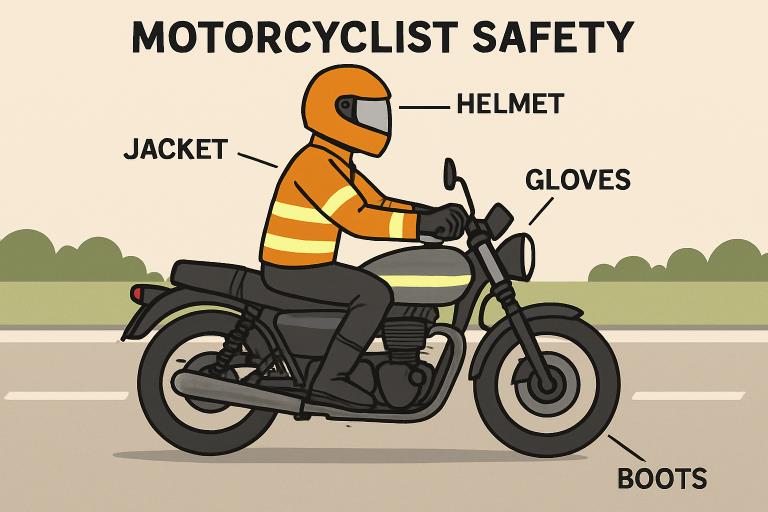
Your motorcycle safety begins with wearing proper gear. The most crucial item is a DOT-approved helmet that fits tightly to prevent brain injuries. Helmets significantly lower the risk of fatal injuries and are often legally required. Durable jackets and pants made of leather or reinforced textile protect against abrasions and road rash during a fall. Gloves ensure a firm grip and protect against abrasions, wind, and cold, helping control the bike. Over-the-ankle boots protect your feet and ankles, reducing the chance of fractures or sprains. Gear with built-in armor or padding provides additional protection for joints such as the knees, elbows, shoulders, and back. Reflective or high-visibility clothing enhances visibility to drivers, especially at night or in low-light conditions.
Conduct Pre-Ride Inspections
Before each ride, perform a comprehensive pre-ride inspection to catch issues early. Check tire tread and pressure, since worn or underinflated tires can compromise stability and increase the risk of blowouts. Test the brakes for smooth operation. Verify that all lights function properly to remain visible. Examine fluid levels and top them off if necessary. Ensure the chain or belt is properly tensioned and lubricated, and that controls respond correctly. Following this routine helps prevent mechanical problems and accidents, enhancing safety awareness and your understanding of the motorcycle.
Stay Visible
Motorcycles tend to be less visible than other vehicles, especially in heavy traffic or poor weather conditions. Always wear bright or reflective clothing and keep your headlights on, even on clear days. Many modern bikes come with daytime lights; if yours doesn’t, make sure to turn on your headlight. Position yourself in spots where drivers can see you clearly, such as the third lane from the curb, and steer clear of blind spots and debris. Making eye contact at intersections helps confirm you are visible. Signal your intentions early and avoid lingering in blind spots. Taking proactive steps to enhance visibility significantly lowers the chance of collisions.
Practice Defensive Riding
Being alert and anticipating hazards is essential to motorcycle safety. Keep a safe following distance so you have enough reaction time if traffic suddenly slows down or another vehicle makes an unexpected move. Avoid lingering in blind spots and be vigilant when approaching driveways or intersections, where vehicles might unexpectedly enter your path. Pay close attention to other drivers’ body language, such as turning wheels or heads toward you, as they can signal an impending turn or lane change. Anticipate the actions of those around you and be ready to respond if a driver fails to yield or signals a turn unexpectedly. Defensive riding also includes monitoring for potential hazards, such as potholes, gravel, or debris, and always having an escape route planned.
Avoid Riding in Adverse Weather
Bad weather conditions greatly reduce a rider’s control and extend stopping distances. Rain, snow, and ice lower traction, making tires and brakes less effective. Fog and heavy rain can also limit visibility. When riding in poor weather, slow down and handle controls gently to prevent skids. Wear waterproof, insulated clothing and an anti-fog helmet visor. Keep a longer following distance for added safety and avoid sudden movements. The first few minutes of rain are particularly dangerous because oil on the road can make the road slippery. It’s best to delay riding until the weather improves, as the risks may outweigh the urgency of arriving on time.
Follow Traffic Laws
Adhering to traffic laws is fundamental for every motorcyclist, regardless of experience. Respect speed limits, use proper turn signals, come to complete stops at intersections, and obey all road signs and signals. These rules exist to protect all road users, and adherence helps create a safer environment for everyone, especially those operating vulnerable vehicles such as motorcycles. Don’t weave between cars or engage in lane splitting, unless it is both legal and safe in your area. Developing the habit of following the rules builds your credibility as a responsible rider and can also reduce your chances of being held liable in the event of an accident. Being predictable makes your movements easier for other drivers to anticipate, minimizing the risk of crashes caused by misunderstandings or miscommunication.
Never Ride Under the Influence
Riding while intoxicated by alcohol or drugs significantly raises the chances of a serious or fatal crash. These substances slow down reaction times, impair judgment, and hinder coordination, turning everyday maneuvers into hazards. The National Highway Traffic Safety Administration emphasizes that riding impaired is dangerous, and maintaining a clear mind is your best safeguard. Even minimal alcohol consumption can diminish your ability to ride a motorcycle safely. Avoid riding if you’ve been drinking. If you plan to consume alcohol, arrange for alternative transportation or stay overnight. Setting a responsible example can inspire others to make safer choices.
Continuously Improve Your Skills
Successfully handling real-world traffic situations demands constant learning and self-assessment. Enroll in advanced rider training courses to develop your technique, confidence, and decision-making abilities. Many communities and motorcycle organizations offer classes that focus on evasive maneuvers, swerving, and emergency braking, skills that can make all the difference in an emergency. Even experienced riders benefit from periodic refresher courses, as they reinforce positive habits and introduce new strategies or equipment. Additionally, consider reviewing current motorcycle safety statistics and best practices from reputable sources, such as The Hanover Insurance Group, to remain proactive and informed about new developments.
Conclusion
Motorcycle safety is a continuous commitment that combines proper gear, regular bike inspections, and defensive riding with awareness of road conditions and adherence to traffic laws. Avoiding riding under the influence, staying visible, and practicing in adverse weather further reduce risks. By continuously improving skills through training and remaining vigilant, riders can enjoy the freedom of the open road while protecting themselves and others. Prioritizing safety transforms every ride into a confident, responsible, and enjoyable experience.