Knives are indispensable for cooking enthusiasts and professionals alike. Whether crafting gourmet meals or preparing everyday dinners, a sharp and well-handled knife makes all the difference. However, along with their usefulness, knives present risks that can result in severe injuries when mishandled. That is why understanding and following fundamental knife safety practices is crucial for every kitchen user. If you are passionate about collecting or using quality knives, seeking out custom chef knife makers can enhance your cooking experience with well-crafted blades suited for specific tasks.
The journey to safe knife use involves more than simply being cautious. It requires a holistic approach to selecting, maintaining, handling, and properly storing your knives. This guide covers essential safety principles to help you confidently handle your knives and avoid accidents in the kitchen.
Choose the Right Knife for the Task
Every kitchen task calls for a specific type of knife. Selecting the correct knife enhances efficiency and reduces the risk of injury. A chef’s knife is versatile and perfect for dicing and chopping vegetables, while a paring knife is best suited for peeling and more detailed tasks. For bread, always use a serrated knife, which glides through crusts without slipping. Trying to force a knife to do something it is not designed for often results in dangerous situations and imprecise cuts.
Maintain a Sharp Edge
Using a dull knife is among the most common causes of kitchen accidents. Dull blades require more force and are more likely to slip when cutting. Keeping your knives honed and sharp means you can cut cleanly with less pressure, reducing the risk of slipping and injury. To maintain optimal sharpness, use a honing rod or whetstone regularly, and take advantage of professional sharpening services when needed. According to the Consumer Reports guide to knife sharpening, sharp knives not only perform better but are safer overall.
Proper Handling Techniques
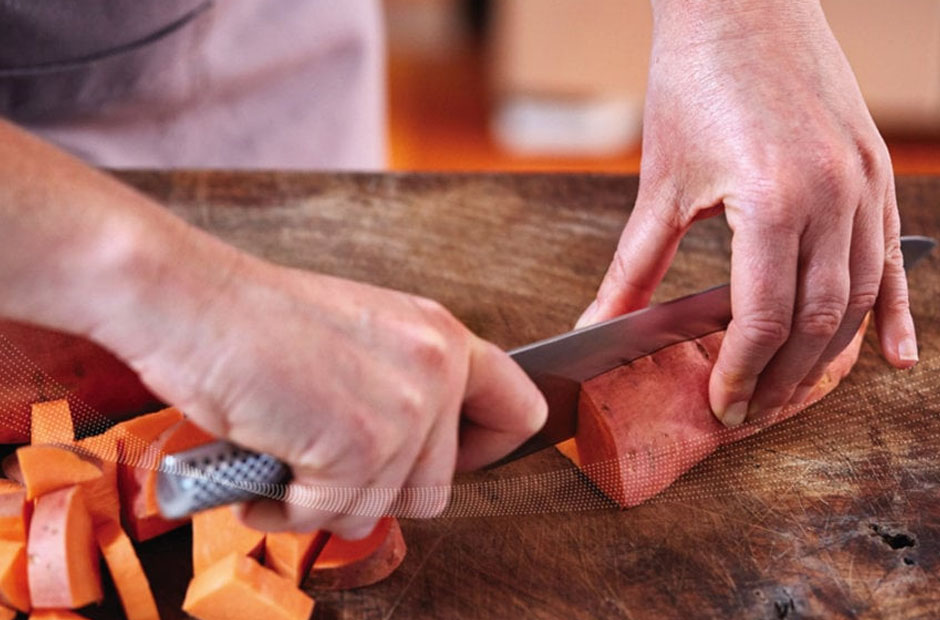
Proper knife handling can prevent most accidental cuts. First, always cut away from your body to avoid bringing the blade toward sensitive areas. The “claw grip” is a recommended technique in which your non-dominant hand curls the fingers under and uses the knuckles as a guide along the blade, securing the item you are slicing. This helps keep fingertips safe and provides stability. Always keep your focus on your work and avoid multitasking or distracted movements when using a knife. A moment’s lapse in attention is all it takes for an accident to occur.
Use a Stable Cutting Surface
Using an unstable cutting board is a major safety hazard. Make sure your cutting surface is steady before you begin. Placing a damp kitchen towel beneath your board can prevent slipping. Wood, bamboo, or non-slip plastic boards provide the best results. Avoid using plates or glass, as these surfaces can increase the chance of slippage and even damage your blade. A stable surface provides a foundation for controlled, precise, and safe cuts every time you cook.
Safe Storage Practices
Storing knives properly is essential for both safety and blade longevity. Throwing knives into a drawer loosely risks not only accidental cuts but also damaging the cutting edge over time. Instead, use a knife block, magnetic strip, or protective blade guards. For those with limited counter space, wall-mounted magnetic strips keep knives accessible and organized. Proper storage ensures that blades remain sharp and users are less likely to injure themselves when retrieving a knife in a hurry.
Cleaning and Maintenance
Caring for your knives extends their lifespan and ensures they function safely. Always wash knives by hand with warm, soapy water and dry thoroughly before storing. Avoid dishwashers, as harsh detergents and jostling can nick and ruin both the blade and handle. Regularly check for signs of wear or damage, such as loose handles or chips. Address these issues before using the knife again. A well-maintained knife is reliable and less prone to accidents.
First Aid for Knife Injuries
Despite all precautions, accidents can still happen. If you experience a cut, rinse it with soap and water to reduce the risk of infection, then apply firm pressure with a clean cloth to stop bleeding. Use an adhesive bandage or sterile gauze to cover minor wounds. For deeper cuts or persistent bleeding, seek medical care promptly. Fast and proper first aid can prevent complications from even minor injuries.
Educate and Supervise
Educating everyone in your household about knife safety is essential. Teach children the basics of safe handling and supervision until they are comfortable and capable of handling it themselves. Even adults benefit from regular reminders and from refreshing their knowledge of safe techniques. Many local community centers offer kitchen safety classes, and numerous reputable cooking sites present video demonstrations to supplement learning. Supervision and knowledge-sharing prevent accidents and cultivate a culture of safety in the home kitchen.
Conclusion
Knife safety is essential for every kitchen, whether you’re a home cook or a professional chef. By choosing the right knife, maintaining a sharp edge, using proper handling techniques, and storing knives safely, you reduce the risk of accidents and improve efficiency. Regular cleaning, maintenance, and preparedness for first aid further protect users. Educating yourself and others ensures a safer cooking environment. Following these practices allows you to enjoy the full benefits of your knives while keeping your kitchen safe and efficient.