Working in construction is hazardous. Every year electrical safety ranks among the top causes of death in the industry.
The good news?
Switchgear technologies are changing that. New systems are available to protect workers and prevent accidents from happening. They also help construction projects keep on operating safely.
The problem most construction managers face though…
They aren’t sure which electrical protection systems actually work. And that ignorance costs lives.
In this article you’ll learn:
- Why Electrical Safety is Crucial in Construction
- How Medium Voltage Switchgear Keeps Workers Safe
- Important Features of Construction Switchgear
- Best Practices for Implementing Switchgear
Why Electrical Safety is Crucial in Construction
Electrocution is one of OSHA’s “Fatal Four” hazards in construction.
And it’s not just electricians who are at risk. 69% of workplace electrical fatalities occur in non-electrical occupations, according to the Electrical Safety Foundation. Labourers, roofers, general contractors, and other tradespeople are also getting hurt.
Think about it…
Construction workers have to interact with temporary power systems every day. They have to work near overhead power lines. They operate heavy equipment that needs significant electrical distribution.
The conditions are ripe for accidents. Without proper protection and prevention, one simple mistake can be fatal.
This is where modern switchgear can help. For construction projects with reliable power distribution needs between 5kV and 38kV, Medium Voltage Switchgear products can provide the protection and control to keep sites safe. Medium voltage switchgear systems are essentially the central hub for all switching, protection, and fault isolation.
Sounds important, right?
How Medium Voltage Switchgear Keeps Workers Safe
Medium voltage switchgear has one job it does extremely well…
Controlling and isolating the flow of electricity to prevent dangerous conditions.
Here’s how it works. If a fault occurs in an electrical system, the switchgear detects it almost instantly. It then isolates that fault before it can spread or do harm. This occurs in milliseconds.
Without switchgear protection? That fault propagates throughout the system. Equipment gets damaged, workers get hurt.
Safety features of modern medium voltage switchgear products for construction projects include:
- Arc flash containment – Metal-clad designs that contain arc flashes in their own compartments
- Automatic shutters – Shutters that automatically close over live parts when circuit breakers are removed
- Ground fault protection – Detects current imbalance and shuts off power immediately
- Remote monitoring – Digital systems allow operators to monitor status without physical contact
The technology has come a long way. Modern switchgear can lower operational costs by 12-15% while dramatically improving safety.
Important Features of Construction Switchgear
Switchgear isn’t a one size fits all product.
For construction sites, specific features matter more than others. When it comes to selecting medium voltage switchgear products for construction projects look for these three features first…
Metal-Clad Construction
This is the gold standard for safety.
Metal-clad switchgear separates each component into its own compartment. The incoming bus, outgoing bus, and circuit breaker all have their own space. It’s a design that provides maximum protection against internal faults.
This is particularly important on construction sites. Conditions are less controlled than in permanent facilities.
Draw-Out Circuit Breakers
Maintenance is going to happen. Equipment needs to be tested.
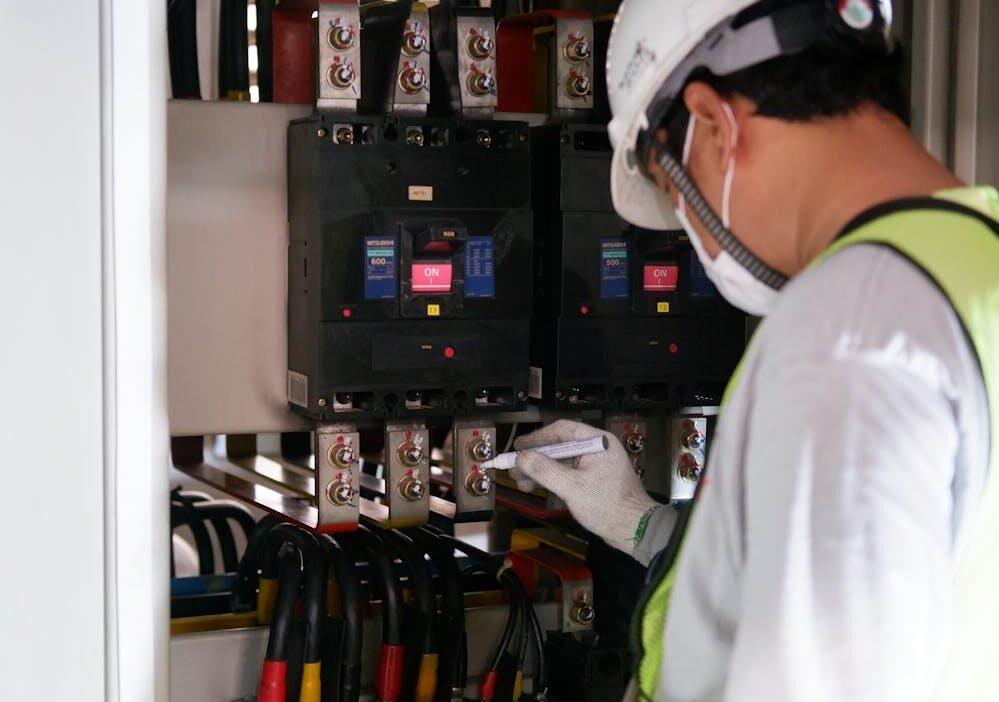
Draw-out circuit breakers allow maintenance workers to remove and service breakers without having to expose themselves to live parts. The breaker physically pulls out from the compartment for safe servicing.
This one feature alone prevents numerous accidents every year.
Arc-Resistant Design
Arc flash incidents are nasty.
Think temperatures exceeding 35,000 degrees Fahrenheit. Modern arc-resistant switchgear is designed to vent those explosions safely away from people. Look for switchgear equipment that has been tested to IEEE C37.20.7 standards.
Environmental Protection
Construction sites are harsh environments.
Dust, moisture, temperature variations… all of these can have a negative effect on switchgear performance. Make sure equipment has the appropriate IP ratings for the environment. Indoor units need different protection than outdoor installations.
Best Practices for Implementing Switchgear
The right equipment only gets you so far.
Proper implementation of switchgear is what makes the difference between safe operations and preventable accidents.
Conduct a Proper Site Assessment
Before installing any switchgear, take the time to do a proper site assessment. Consider:
- Maximum load requirements
- Anticipated future capacity
- Environmental conditions
- Access for maintenance
Getting this work done upfront prevents headaches later on.
Follow Installation Standards
Medium voltage switchgear installations must follow specific standards. In North America, look for IEEE C37.20.2 standards compliance for metal-clad switchgear. These standards exist for a reason… to save lives.
Never skimp on installation. A recent Grace Technologies 2024 report showed that LOTO violations increased 29% from 2022 to 2023. Operators are actually becoming less safe, not more.
Train Personnel Properly
Equipment doesn’t operate itself.
Everyone who comes into contact with switchgear needs to be properly trained. This isn’t just electricians but includes supervisors, operators, and maintenance staff. They should all understand:
- Basic operation of the switchgear
- Emergency procedures
- Lockout/tagout requirements
- When to call for qualified help
Training is not optional. It’s the foundation of electrical safety.
Schedule Regular Maintenance
Switchgear systems can last 20-40 years when properly maintained.
Fail to do that? The equipment becomes a liability much sooner. Set regular inspection schedules. Test protective devices. Clean and service according to manufacturer recommendations.
A well-maintained switchgear system protects workers for its entire service life.
Common Mistakes to Avoid
No matter how good the equipment, mistakes can still happen. Some of the most common mistakes to look out for include…
Undersizing Equipment
Never choose switchgear with a lower short-circuit rating than the system requires.
It’s a perceived cost-saving measure. In reality, it’s a disaster waiting to happen. Always allow for future capacity and growth. Construction sites evolve constantly and load demands change with them.
Ignoring Environmental Factors
Dust, moisture, and space all affect equipment performance.
Many construction managers will install indoor-rated equipment in outdoor locations. They also often fail to account for temperature extremes. Both of these shortcuts lead to premature failures and incidents.
Match the equipment to the environment every time.
Skipping Inspections
Inspections catch problems before they become emergencies.
But they get skipped constantly. Budget pressures, time constraints, simple forgetfulness all play a role. Don’t let it happen on your construction projects where the stakes are so high.
Pulling it All Together
Construction sites need reliable electrical protection.
Medium voltage switchgear products provide that protection for construction projects of all sizes. The systems detect faults, isolate problems, and keep workers safe from electrical hazards.
The technology continues to improve. Digital monitoring, arc-resistant designs, and advanced protection systems make modern switchgear safer than ever.
But equipment is only part of the solution. Proper selection, installation, training, and maintenance are all critical as well.
Get these elements right and electrical safety on construction sites improves dramatically. Workers go home safely. Projects stay on schedule. Everyone wins.
That’s the power of advanced switchgear technologies.