The Look You Love, Engineered for Today
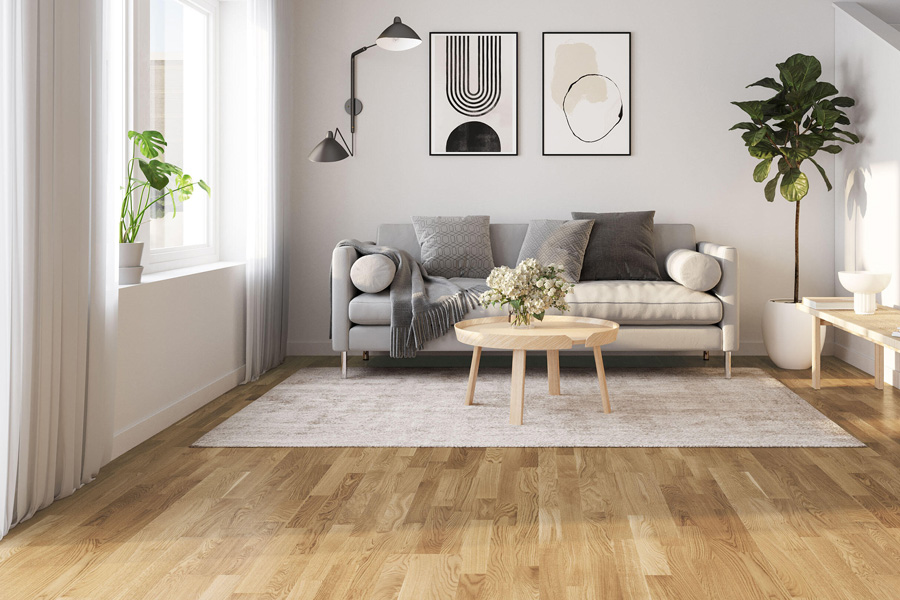
Upon entering a room with engineered wood, you experience the authentic wood feel: sun-catching grain, soothing warmth, and individuality in every knot. The twist is below the surface. Engineering boards use a layer of real wood over a sturdy core instead of one thick hardwood plank. Oak, walnut, and ash are still there, but the structure is wiser, resource use is tighter, and performance is current.
This is where sustainability meets good design. By stretching precious hardwood further and pairing it with fast-growing or recycled wood fibers, engineered floors deliver the romance of timber with a lighter environmental footprint, and they do it without asking you to compromise on style, comfort, or longevity.
Smarter Material Use, Smaller Impact
Engineered wood starts with a simple idea: use the right material in the right place. A wear layer of real hardwood carries the beauty. The core does the heavy lifting—built from plywood or high‑density fiberboard that’s strong, stable, and far more resource-efficient.
What that means in practice:
- More floor from fewer trees: A thin hardwood veneer turns one slow‑growing tree into many rooms’ worth of flooring.
- Thoughtful sourcing: Many makers rely on responsibly managed forests and verified supply chains, supporting replanting and biodiversity.
- Less waste: Layered construction can utilize smaller offcuts and wood that might otherwise be discarded, nudging manufacturing toward a circular mindset.
- Efficient transport: Engineered planks are dimensionally stable, reducing damage and returns and helping limit the hidden footprint of logistics.
You still get authenticity—real wood grain, real variation—while the material strategy trims the excess from the process.
Built for Seasons and Real Life
Homes breathe. They warm up in summer, cool down in winter, collect steam from showers and warmth from underfloor heating. Solid wood feels those swings and can cup or gap as it expands and contracts. Engineered wood, by design, stays calm. The cross‑laminated layers counteract movement, keeping boards flatter and joints tighter, season after season.
Daily life is where engineered wood shines. Kids, pets, dinner parties, a rogue scooter—quality finishes and tough wear layers take the hits with grace. And when the surface finally shows its mileage years down the line, the top layer can be sanded and refinished, depending on its thickness, to restore tone and sheen. That extendable lifespan beats rip‑and‑replace flooring every time, both for your wallet and the planet.
Comfort You Can Breathe
Beautiful floors should stay with you and feel nice. Many engineered items use low-VOC adhesives and coatings, minimising chemical odours and promoting indoor air quality. A quality plank is quiet, warm, and smooth for barefoot mornings and movie nights.
Finishing technology has come a long way, too. Factory‑applied oils and lacquers can be remarkably durable, resisting stains and scuffs while highlighting wood’s natural depth instead of masking it.
Style, Texture, and Tone
Engineered wood doesn’t box you into a single look. It opens up options:
- Species variety: from the familiar warmth of oak to the moody elegance of walnut or the clean lines of ash.
- Finishes and textures: wire‑brushed, matte‑oiled, satin‑lacquered, hand‑scraped; subtle to dramatic, farmhouse to gallery‑ready.
- Plank formats: slim strips for classic rhythm, wide boards for contemporary calm, herringbone and chevron for architectural drama.
Because it’s real wood on top, each board still tells its own story. The grain runs, swirls, and shifts like a landscape—never repetitive, always alive.
Install It Your Way
Modern engineered flooring is designed for straightforward installation. Click‑fit profiles snap together with a satisfying hush, making floating installations fast and clean. Traditional tongue‑and‑groove options excel for glue‑down applications, especially where underfloor heating or enhanced acoustics call for a tighter bond.
Once in place, care is low‑key. Sweep or vacuum grit, and use a damp mop with a wood‑safe cleaner when needed. In kitchens and hallways, that stability really helps: doors swing, shoes shuffle, spills happen—engineered wood keeps its cool. In moisture‑prone spaces, good ventilation and prompt cleanup keep the surface looking its best.
Circular by Design
Durability is the first rule of sustainable design—keep products in use longer, and you cut their lifetime impact. Engineered wood follows that playbook, combining:
- Long service life with refinishability, depending on wear‑layer thickness and finish type.
- Potential for reuse: boards can often be lifted and refitted in another room or another home if they were floated rather than glued.
- Material recovery at end of life: clean offcuts and undamaged planks can be repurposed into furniture, wall cladding, or shelving; composite cores can be routed into panel products or, where appropriate, diverted to energy recovery.
It’s not perfect—adhesives and finish systems can limit certain recycling pathways—but compared with disposable floors that can’t be repaired, engineered wood leans strongly toward a use‑and‑reuse future.
Engineered vs. Solid Wood vs. Other Floors
All wood stores carbon while it’s in your home, which is a good start. But how a floor is made, how long it lasts, and whether it can be renewed really separates choices.
- Engineered wood stretches precious hardwood more and resists seasonal movement better than solid hardwood, especially over radiant heat or slab construction. Thicker solid wood can be refinished more times, but engineered pieces with ample wear layers can tolerate current conditions with fewer issues.
- Compared with laminate: laminate mimics wood with a printed layer, and while it can be tough, it isn’t refinishable and chips or water damage usually mean replacement. Engineered wood is the real thing on top—repairable, renewable, and richer underfoot.
- Compared with vinyl: vinyl can shrug off moisture but relies on petrochemicals and typically isn’t refinished or easily recycled. Engineered wood trades some moisture resistance for a naturally sourced, repairable surface and a warmer, quieter feel.
For most homes juggling style, sustainability, and practicality, engineered wood finds the sweet spot: beautiful, stable, and future‑minded.
Made for Lived‑In Spaces
Kitchens with morning sunlight and breakfast bustle, hallways with shoes, and living spaces that switch from homework to movie night need a floor that looks elevated without being fragile. The engineered wood delivers. It works with underfloor heating to free walls from cumbersome radiators, keeps seams clean during weather changes, and may be rejuvenated as fashion or family life changes.
In spaces near splashes and humidity, it’s steady and forgiving with sensible care. Wipe spills, keep airflow moving, and enjoy the warmth and character that only real wood brings.
FAQ
Is engineered wood real wood?
Yes. The top layer is genuine hardwood, bonded to a stable multi‑layer core that improves performance.
Can engineered wood be used with underfloor heating?
It’s a strong match because the layered core limits expansion and contraction as the floor warms and cools.
How many times can it be refinished?
That depends on the thickness of the wear layer; many floors can be lightly sanded and renewed at least once.
Is it suitable for kitchens and bathrooms?
In kitchens and hallways it excels; in bathrooms it can work with good ventilation and prompt cleanup of splashes.
Does engineered wood emit harmful chemicals?
Many products use low‑VOC adhesives and finishes and are verified to meet strict indoor air‑quality standards.
How long does engineered wood last?
With routine care and occasional refinishing, quality engineered floors can serve for decades.
What’s the difference between engineered wood and laminate?
Engineered wood has a real hardwood surface you can refinish; laminate uses a printed image layer and usually can’t be renewed.
Can engineered wood be recycled?
Boards can often be reused or repurposed, and clean wood components may be recovered, though adhesives can limit some recycling streams.