Key Takeaways
- Consistent preventive maintenance minimizes the chances of HVAC failures.
- A proactive emergency response plan ensures your business can act quickly when breakdowns occur.
- Working with a dependable HVAC service provider is essential for rapid solutions.
Every business owner knows that unexpected interruptions can disrupt day-to-day operations, but few are as impactful as a sudden HVAC system failure. Comfort and safety are directly linked to reliable heating and cooling, and downtime can result in discomfort for employees and customers, or even expensive operational losses. That is why understanding the value of emergency services from a trusted commercial HVAC company is fundamental to keeping your business running smoothly during crises.
Whether your company operates a single storefront or multiple facilities, maintaining indoor temperature and air quality is key to keeping customers happy and employees productive. Planning ahead for HVAC emergencies makes the difference between prompt recovery and prolonged disruptions that could damage your reputation and bottom line.
Understanding the Impact of HVAC Failures
Modern HVAC systems do much more than regulate temperature; they stabilize humidity, filter air, and support the health and well-being of everyone in the building. A sudden system breakdown can lead to muggy conditions in the summer or chilling cold in winter, directly impacting productivity, morale, and customer experience. In certain industries, such as healthcare and data centers, a failure can turn into a crisis, threatening the integrity of sensitive devices and creating safety hazards that demand immediate attention. Even in less critical environments, costs can mount quickly from lost sales, worker downtime, or the need to temporarily relocate operations.
Implementing Preventive Maintenance
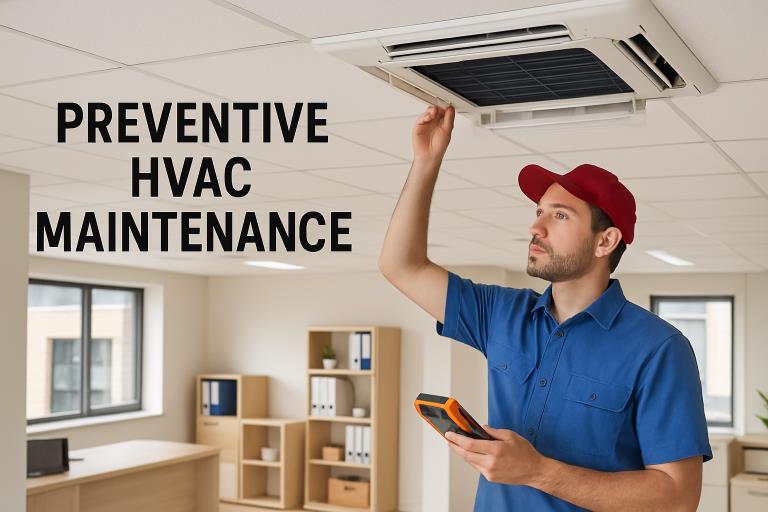
The most reliable way to stave off emergencies is through a robust preventive maintenance program. Regular inspections and servicing can identify worn or aging components before they fail. This process includes essential tasks such as replacing air filters, monitoring refrigerant levels, and calibrating thermostats. Skilled technicians will also inspect electrical connections, lubricate moving parts, and clean both condenser and evaporator coils. These steps not only help prevent unexpected shutdowns but can also extend equipment lifespan, improve energy efficiency, and reduce utility costs.
Maintenance plans offered by HVAC companies often include professional tune-ups, priority repair scheduling, and discounted emergency services. By investing in a service plan, your business gains a partner in long-term system health and faster recovery in the event of a breakdown.
Developing an Emergency Response Plan
When a breakdown does happen, having a clear, actionable emergency plan reduces stress and ensures critical steps are not overlooked. Start by creating a comprehensive contact list that includes your HVAC provider, electricians, building management, and security personnel. Be prepared with temporary solutions, such as knowing where you can deploy portable fans, heaters, or spot coolers to manage temperatures in key areas until full repairs can be made. Keep all system documentation, including original specifications, warranty coverage, and service records, readily accessible for service professionals. Quick reference to this information can shorten repair times and streamline communication with your vendor.
Training Staff for Quick Response
Your team is your first line of defense during an HVAC emergency. Train staff to recognize audible alarms, unusual system noises, temperature fluctuations, or sudden changes in indoor air quality. Establish reporting protocols so that problems are escalated immediately to facilities or management staff who can take coordinated action. Periodic drills and refreshers help ensure everyone is prepared and understands their role during an HVAC crisis.
Establishing a Relationship with a Reliable HVAC Service Provider
Proactive businesses select their HVAC technicians before a crisis strikes. Evaluate potential service providers not just on pricing, but on certifications, years of experience, and ability to offer true 24/7 emergency response. Review their response time commitments and customer feedback. Strong partnerships often result in faster service, preferred scheduling, and technicians who understand the unique challenges of your property and industry.
Investing in Backup Systems
Mission-critical businesses, such as hospitals, pharmacies, and data centers, may require backup temperature-control solutions. Standby generators, portable air conditioning units, or supplemental heating systems provide insurance against extended power outages or major repairs. Assess your risk and determine if investing in backup resources is a good fit for your operation, especially if uninterrupted service is essential to safety, contract compliance, or business continuity.
Regularly Reviewing and Updating the Emergency Plan
Business operations evolve over time, with changes to facility layout, staff, or the addition of new technologies. Set a schedule to review and update your emergency HVAC response plan at least annually or after major renovations. Make sure you update staff training, refresh supplier contact lists, and verify that all new systems are documented for quick access when it matters most.
Conclusion
Being prepared for unexpected HVAC failures protects your business from prolonged downtime, lost revenue, and dissatisfied customers. A comprehensive approach includes regular maintenance, a well-communicated emergency plan, staff training, and a reliable service provider. Investing time in preparation and building lasting partnerships creates peace of mind and ensures your business remains safe, comfortable, and operational no matter what challenges arise.