Curious to finally know what’s up with your body?
Hormones control everything. Your moods, energy, weight, fertility… even a little imbalance and your entire body feels like crap.
But here’s the thing:
Most women don’t realize something’s wrong with their hormones until the symptoms are so severe they can’t take it anymore. By then, they’ve suffered with terrible symptoms for months (sometimes years) with no relief in sight.
It’s crazy that we have to go through that. Don’t you think?
The good news?
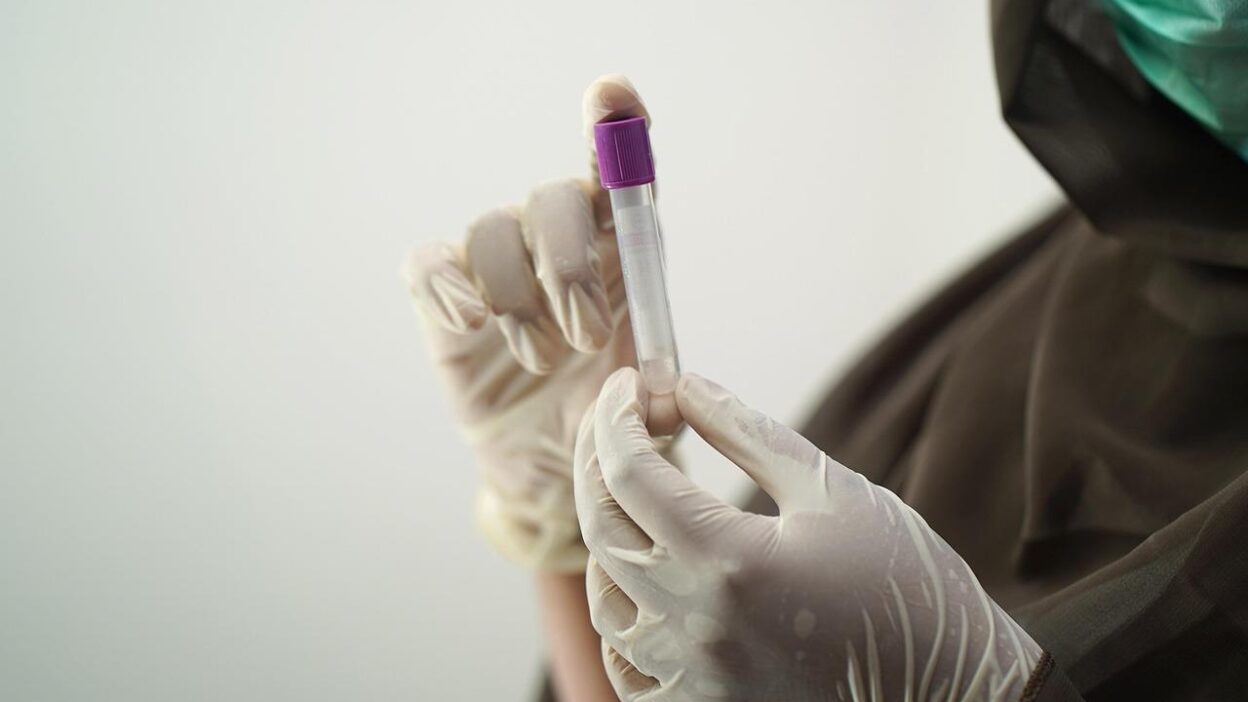
Simple blood testing can tell you exactly what’s going on inside your body. And when you have answers, you can finally take action.
In this article:
- Why Hormone Testing Matters For Women
- Key Hormones Every Woman Should Monitor
- How To Read Your Test Results
- What To Do After Getting Your Results
- Common Signs You May Need Hormone Testing
- When Should Women Get Tested?
Why Hormone Testing Matters For Women
Hormonal imbalances are one of the most common conditions out there. Northwell Health claims that up to 80% of women will deal with some type of hormone imbalance at some point in their lives.
Can you believe that?
80%!
80 out of every 100 women you know, including you.
And what’s worse:
A lot of women don’t even know they have an imbalance. They blame their symptoms on stress, or “getting older”, or “being a woman”.
But it doesn’t have to be like that.
A female hormone test will tell you exactly which hormones are the culprit. That way you have the information needed to work with healthcare professionals and find a plan that actually works.
Let’s face it…
Without knowing where your levels sit, any type of treatment is basically a shot in the dark. At least with the answers from a blood test, you have the data to target the solution.
Key Hormones Every Woman Should Monitor
OK, but what exactly should women be testing?
Not all hormones matter the same. Some have a more important role in overall health and daily functioning. The key ones are:
Estrogen
Estrogen is the primary female sex hormone. It has a variety of functions in the body, from the menstrual cycle to bone health to your mood. Too much or too little and you can experience issues like irregular periods, fertility problems, and hot flashes.
Progesterone
Progesterone partners with estrogen. It helps prepare the body for pregnancy and regulate the menstrual cycle. Low progesterone is often associated with mood swings, sleep problems, and irregular periods.
Follicle-Stimulating Hormone (FSH)
FSH controls ovarian function. High levels can indicate a woman is getting ready to enter menopause, or point to possible fertility issues. Low levels could be indicative of pituitary gland problems.
Luteinizing Hormone (LH)
LH is responsible for ovulation. When FSH and LH aren’t working in tandem it can cause issues like polycystic ovary syndrome.
On the note of PCOS…
Did you know that the World Health Organization found that up to 70% of women with PCOS go undiagnosed? Blood testing is one of the most accurate methods of identifying the syndrome early on.
Testosterone
Women produce small amounts of testosterone. It’s not an evil hormone that makes you act like a man. It’s vital for energy, muscle strength, and libido in women. Too much of it can lead to acne, unwanted hair growth, and fertility issues.
Thyroid Hormones
The thyroid controls the metabolism. An underactive or overactive thyroid can lead to symptoms like weight changes, fatigue, and mood issues.
How To Read Your Test Results
Ok, so you’ve gotten your test results back. Now what?
Getting results back can be overwhelming. There’s all these numbers and ranges. What does it all even mean?
Calm down.
Here’s a quick guide to interpreting your results:
- Within range: Your hormone level falls within normal expectations for your age and phase of the menstrual cycle.
- Above range: You have higher than expected hormone levels. This may indicate certain conditions or lifestyle changes may be required.
- Below range: Your hormone levels are lower than expected. Supplements, medication, or other treatments may help to raise them.
What most people miss, though:
“Normal” ranges vary.
Age matters a lot. A 25 year old has different baseline levels as a 45 year old. Timing of the menstrual cycle also matters. Some hormones can fluctuate greatly throughout the month.
That’s why working with a healthcare professional who specializes in female hormones is so critical. They can interpret your results in context and give you advice on next steps.
What To Do After Getting Your Results
So you got the results. Now what?
First, take a deep breath. Don’t start diagnosing yourself. One test, while helpful, is just one piece of the puzzle.
Here’s what to do next:
Schedule a follow-up visit. Talk with your doctor or a specialist who can explain what your numbers mean for your unique situation.
Evaluate lifestyle factors. Diet, exercise, sleep, and stress all impact hormone health. Oftentimes small tweaks can lead to major improvements.
Monitor your symptoms. Keep a journal of how you feel each day. That way you can track symptoms over time and see if treatments are effective.
Retest if needed. Hormone levels change as you age and as you cycle. Retesting can ensure your treatment plan is on track.
Common Signs You May Need Hormone Testing
Wondering if hormone testing is right for you?
Look for these signs:
- Irregular or missed periods
- Unexplained weight gain or loss
- Extreme fatigue despite getting enough sleep
- Mood swings, anxiety, or depression
- Difficulty conceiving a child
- Hot flashes or night sweats
- Thinning hair or unwanted hair growth
- Low libido
- Skin changes, such as acne breakouts
Any of the above symptoms could indicate a hormone imbalance. The only way to know for sure is through testing.
When Should Women Get Tested?
Timing matters when it comes to hormone testing.
Why?
Hormone levels naturally fluctuate during the menstrual cycle. Blood tests taken during the wrong time can be misleading.
Ideally, FSH and estrogen are tested on day 3 of the menstrual cycle, and progesterone on day 21. Thyroid hormones and testosterone can usually be tested at any time.
Here’s when you should strongly consider testing:
- When trying to start a family
- Experiencing unexplained symptoms
- Going through perimenopause/menopause
- Post stopping birth control pills
- If you have an existing condition like PCOS
Many healthcare professionals recommend baseline testing for women in their 30s. This provides a reference point for future tests.
The earlier you can detect problems the easier they are to treat. Small issues that are nipped in the bud are often much easier to correct than ones that are allowed to fester.
The Bottom Line
Learning your hormone levels is one of the best things a woman can do for her health. It turns vague symptoms into information that can be acted upon.
Keep in mind:
- Hormonal imbalances are a normal part of being a woman
- Blood testing is the best way to see which hormones need attention
- Results should always be analyzed in conjunction with a healthcare provider
- Lifestyle modifications, when done alongside proper treatment, can rebalance hormones
Don’t continue suffering when you don’t know why you don’t feel like yourself. Get the answers. Take back control.
Hormones are trying to tell you something every day. A female hormone blood test just helps you listen.