Key Takeaways
- Effective communication is crucial for successful co-parenting.
- Consistency in routines provides stability for children.
- Flexibility and mutual respect between co-parents reduce conflicts.
- Utilizing co-parenting tools can streamline coordination.
Divorce presents many challenges, particularly for parents who must work together to support their children’s emotional and developmental needs. Establishing a productive co-parenting relationship can help children feel secure and supported as they adjust to new family dynamics. Whether you are newly separated or have been co-parenting for years, practical strategies can ensure a smoother experience. Understanding the basics of child custody and a commitment to mutual respect are essential in fostering a positive post-divorce family environment.
Open communication and consistent boundaries not only ease the transition for children but also facilitate healthier collaboration between parents. Focusing on your children’s well-being, rather than any lingering resentments or disagreements, is key. When both parents prioritize what is best for their children, co-parenting becomes increasingly manageable, despite past conflicts or logistical obstacles.
In addition to communication and structure, adopting co-parenting technology and seeking external resources can ease the process. Families that actively nurture flexibility and mutual respect ultimately reduce tension and create a smoother transition between households. By embracing these concepts, parents ensure their children feel secure, resilient, and loved throughout the process of family restructuring.
Effective Communication
Open and respectful communication is the foundation of successful co-parenting arrangements. It’s important to have clear discussions about your children’s schedules, special events, academic progress, and any developing needs. Determine which communication method—be it text messaging, email, co-parenting apps, or face-to-face meetings—yields the best results for both of you.
Keeping conversations focused on your children, rather than dwelling on previous disputes, creates a cooperative environment and enhances decision-making. Regular communication not only prevents confusion but also reassures your children that both parents are united in their support and care for them. Avoiding confrontational language, discouraging negative talk about the other parent, and setting boundaries about what topics are appropriate can protect your children from unnecessary exposure to conflict.
According to the American Psychological Association, children benefit from seeing their parents collaborate and manage disagreements constructively in the wake of divorce. Modeling good communication skills also encourages emotional resilience in your children.
Consistent Routines
Maintaining consistent routines across both households provides children with a sense of stability and predictability, which is especially important after divorce. It’s beneficial for co-parents to work together to set shared rules and expectations regarding important aspects such as bedtime, screen time, and homework schedules.
Children who follow similar routines in both homes tend to adjust more easily to their new environment. Synchronizing certain expectations makes transitions smoother for everyone and helps children avoid confusion or stress. Consistency is particularly important as your children grow older and their academic or social responsibilities increase.
Flexibility and Respect
While routines and agreements are important, co-parenting demands a fair degree of flexibility. Adapting to last-minute schedule changes, special occasions, or changing needs demonstrates goodwill and consideration for your co-parent and children. Remaining open to reasonable adjustments—and approaching discussions with kindness—minimizes tension and leads to more productive problem-solving.
Respect each other’s time and boundaries, and avoid involving children in adult conflicts. If disagreements arise, it’s helpful to revisit the basic principle of prioritizing the children’s best interests over personal grievances. This attitude makes it easier to resolve differences amicably and helps your children feel protected and valued.
Co-Parenting Tools
Digital co-parenting platforms can greatly simplify scheduling and communication. Apps offer a neutral and organized space to share custody calendars, expense records, and medical information. These tools reduce the likelihood of miscommunications and keep both parents informed.
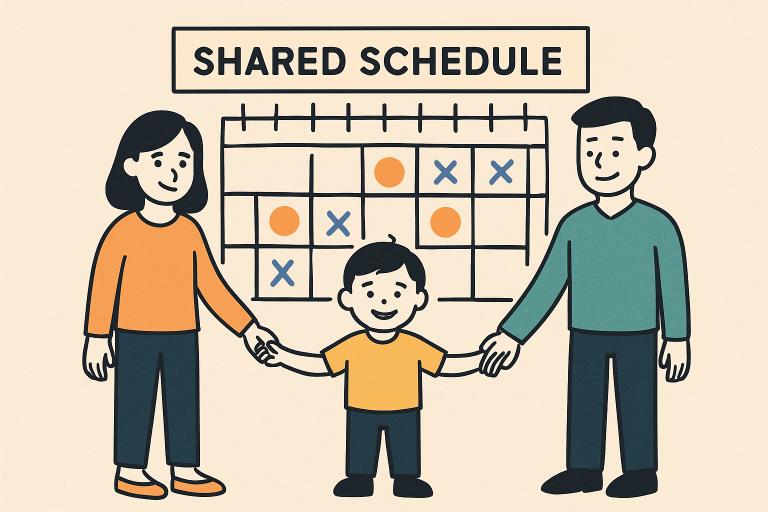
Implementing a shared, regularly updated calendar helps avoid misunderstandings about visitation schedules, holidays, and extracurricular activities. In addition to digital tools, written agreements—such as a parenting plan—clarify each parent’s rights and responsibilities, serving as a reference in the event of future disputes.
Seeking Professional Support
Persistent conflict or emotional challenges sometimes necessitate outside help. Therapists, counselors, or family mediators can offer practical strategies for navigating tense situations and help parents work through trauma or lingering resentment. Professional guidance supports better co-parenting outcomes and reassures your children that both parents are invested in their long-term happiness.
Final Thoughts
Don’t hesitate to reach out to supportive communities or national parenting organizations that offer advice and educational materials. Taking advantage of these resources not only strengthens the co-parenting relationship but also provides children with a foundation of security and love in both households.
Through dedication, empathy, and effective tools, divorced parents can work together to create a stable, nurturing environment that allows children to flourish despite the challenges of family transition.