Key Takeaways:
- A DNP advances nursing expertise, leadership, and career impact.
- Choose a specialization that aligns with your goals and interests.
- Accreditation, program reputation, and faculty quality are critical.
- Consider program format, clinical requirements, and work-life balance.
- Plan finances carefully, including tuition, scholarships, and employer support.
Pursuing a Doctor of Nursing Practice (DNP) is a transformative step for nurses aiming to elevate their expertise, broaden their impact, and excel in today’s healthcare landscape. The journey begins by selecting a specialization that matches your interests, career aspirations, and strengths. Understanding how each focus area shapes your future opportunities is critical as you weigh your options. For nurses interested in advanced practice or leadership, a host of options—including DNP nursing education—are tailored to diverse goals and ambitions.
Choosing your DNP specialty impacts not only your career path but also the communities and populations you serve. With options ranging from clinical care to administration, taking a strategic approach ensures your education supports your personal fulfillment and the broader needs within healthcare. Whether your passion leads you to direct patient care, policy, or academic leadership, thoughtful consideration now can make all the difference in your future role and satisfaction.
Understanding DNP Specializations
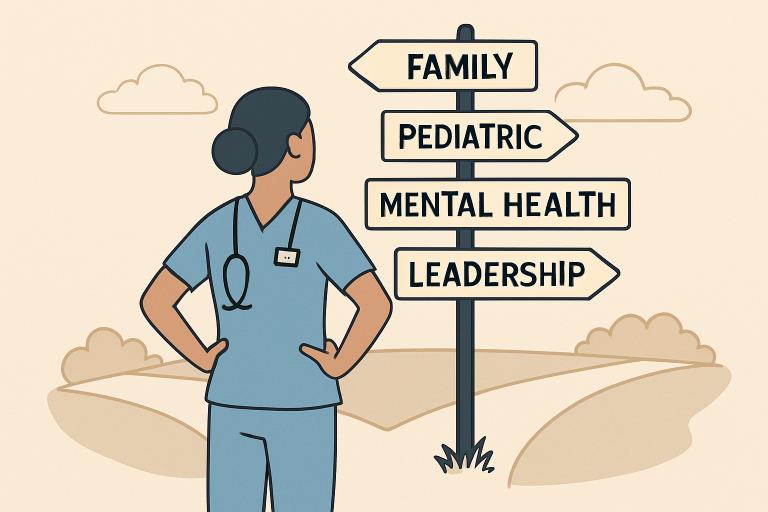
DNP programs offer a spectrum of specializations, each catering to unique nursing interests and patient populations. Common options include:
- Family Nurse Practitioner (FNP):Delivers comprehensive, continuous care for individuals and families across all ages.
- Adult-Gerontology Acute Care Nurse Practitioner (AGACNP):This position focuses on managing acute health issues and complex care needs in adults and elderly patients.
- Pediatric Nurse Practitioner (PNP):Addresses the distinct medical needs of infants, children, and adolescents.
- Psychiatric-Mental Health Nurse Practitioner (PMHNP):Specializes in the mental health needs of patients across the lifespan.
- Executive Leadership:Equips nurses to lead healthcare organizations and shape health policy.
Each path demands a unique set of competencies and approaches, so exploring how these roles match your worldview is the first step towards a focused and satisfying career.
Assessing Your Career Goals
Defining your long-term professional goals is essential for choosing your DNP specialization. Arkansas State University advises nurses to reflect on whether they thrive in clinical environments or feel drawn to management, policy, or advocacy. Think about the type of work environment, patient populations, and daily responsibilities that excite you. Focusing on leadership or education might be best if you prefer leading teams, shaping policy, or driving change at a systems level. Alternatively, those with a strong desire for hands-on patient care may find fulfillment in clinical tracks like FNP or PNP.
Evaluating Program Accreditation and Reputation
Investing in an accredited program is vital for licensure, employability, and overall program quality. DNP programs should be accredited by nationally recognized bodies like the Commission on Collegiate Nursing Education (CCNE) or the Accreditation Commission for Education in Nursing (ACEN). Beyond accreditation, investigate the program’s reputation among current practitioners and recent graduates. Look for high graduation rates, strong student support, and positive feedback from healthcare employers.
Considering Program Format and Flexibility
The format of your DNP program—online, on-campus, or hybrid—can impact your success and work-life balance. Flexible online programs can help working nurses continue their professional and personal responsibilities. However, certain specializations, particularly those with intensive clinical requirements, may necessitate on-site learning for hands-on experience. Choose a program structure that complements your learning style, obligations, and location.
Exploring Faculty Expertise
Faculty play a pivotal role in delivering a rich educational experience. Seek programs with faculty who are academically qualified and active in research and clinical practice. These instructors bring real-world expertise, helping you stay ahead of industry trends and challenges. Engaging with experienced mentors also fosters professional networking, which is invaluable as you progress in your career.
Understanding Clinical Requirements
Hands-on clinical practicums are fundamental to DNP education. These experiences immerse you in real-world healthcare settings, preparing you for the complex demands of advanced practice. Review potential programs carefully to understand their clinical hour requirements, types of placement sites, and opportunities for specialty experience. Ensuring robust, diverse clinical training will help bridge the gap between theory and practice.
Financial Considerations
Determine your total investment by reviewing tuition, fees, and related expenses. Explore scholarships, grants, and loan repayment programs available for DNP students. Many employers offer tuition assistance for nurses pursuing advanced degrees, making checking with your current workplace about financial support options worthwhile. Planning for these expenses can help reduce stress as you advance your studies.
Making an Informed Decision
Arriving at the right DNP specialization draws on self-reflection, research, and practical considerations. By weighing factors such as accreditation, program format, faculty credentials, clinical opportunities, and cost, you build a strong foundation for personal and professional success. Matching your interests to healthcare demand will ensure your work remains meaningful and impactful long after graduation.