Setting Your Intentions and Health Baseline
Every great outcome starts with clarity. Before you even book a consultation, zero in on your goals—volume, shape, symmetry, or restoring what life changes have altered—and how you want to feel afterward. Then take a candid look at your health. If you smoke or vape nicotine, make a plan to stop well before surgery and throughout healing. Review your medications and supplements with your medical team, especially blood thinners, hormone therapies, and herbal products that can increase bleeding. Aim for steady sleep, balanced nutrition, and a stable weight; your body will thank you for showing up strong to the operating room.
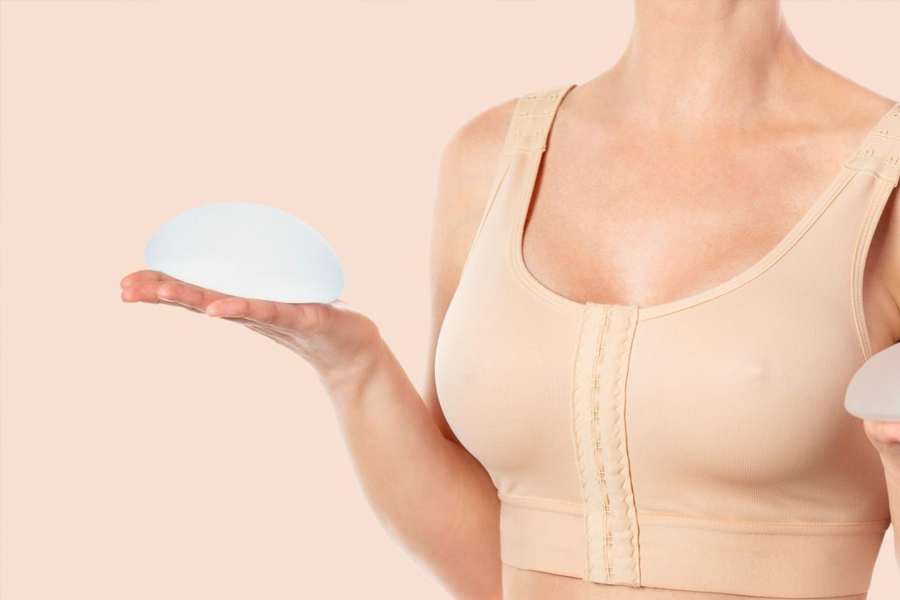
Think logistics, too. Line up help for the first 48–72 hours, plan time off work, prep easy meals, and set up your recovery zone with extra pillows and a soft, supportive front-closure bra. The more you handle up front, the calmer and safer the process feels at every step.
Choosing Implants and Placement: What Actually Matters
You’ll hear a lot of jargon—saline vs. silicone, round vs. shaped, smooth vs. textured, over vs. under the muscle—so let’s translate the decisions that drive both safety and aesthetics.
- Filler: Saline implants are filled with sterile saltwater; they can be adjusted in volume during surgery and deflate noticeably if they rupture. Silicone gel implants tend to look and feel more natural, with cohesive gels designed to hold shape if the shell breaks.
- Shell and surface: Most surgeons favor smooth-surface implants for their soft movement and lower association with rare complications linked to some textured devices.
- Shape and profile: Round implants produce reliable upper-pole fullness and move naturally with the body. Profile (how far the implant projects) should match your chest width and soft-tissue coverage for proportional results with minimal rippling.
- Placement: Subglandular (over the muscle) can mean a quicker recovery and avoids “animation” with chest workouts, but requires excellent soft-tissue coverage. Submuscular or dual-plane (partially under the muscle) often looks more natural on lean frames and may reduce some complication risks, though it can cause implant movement with intense pectoral activation.
Your surgeon will measure your chest width, tissue thickness, and skin elasticity, then tailor size and placement to your anatomy and lifestyle. Runners, lifters, swimmers—bring up your sport and training frequency; it changes the conversation in useful ways.
Incisions, Anesthesia, and the Day of Surgery
Most augmentations take 1–2 hours in an accredited outpatient facility under general anesthesia. Common incision choices include inframammary (in the breast fold), periareolar (around the nipple), and, less commonly today, transaxillary (in the armpit). Each has trade-offs for scar placement, precision, and bacterial control; the inframammary fold offers excellent access and is widely chosen for its predictability.
You’ll meet anesthesia, confirm markings, and review aftercare before heading in. Expect to wake in a recovery area with a surgical bra, clear instructions, and a ride home. Keep your first dose of pain medication on schedule and start gentle sips of water once you’re alert. Short, frequent walks that evening help circulation and comfort.
Recovery, Week by Week
Recovery is a series of small, smart decisions that add up. A typical arc looks like this:
- Days 1–3: Swelling, tightness, and pressure are normal. Stay ahead of pain with prescribed meds, hydrate, and keep arms close to your sides. Walk short laps indoors every few hours. No lifting, pushing, or pulling.
- Week 1: Many patients feel more human by day four or five. Desk work is often possible if you can avoid lifting or commuting strain. Sleep on your back with your torso slightly elevated. Keep incisions dry per instructions.
- Weeks 2–3: Light daily tasks feel easier. You may transition off stronger pain meds. Slow, level walking is fine; skip sweat-heavy or bouncy workouts. Scar care can begin once incisions are fully closed, per your surgeon’s guidance.
- Weeks 4–6: Gradual reentry to exercise—lower body and gentle cardio first, then non-chest upper body. High-impact activity and pectoral-heavy moves typically wait until cleared at a follow-up visit. Supportive bras are essential as you increase movement.
- Beyond 6 weeks: Most activities are back on the table if healing is smooth. Full softening and “drop and fluff” can take several months; patience pays off.
Follow your team’s timeline rather than a generic calendar. The safest recovery is personalized.
Risks, Red Flags, and How to Minimize Them
Breast augmentation is common and generally safe, but it’s still surgery. Known risks include bleeding or hematoma, infection, poor scarring, implant malposition, rippling, changes in nipple or breast sensation, capsular contracture (excessive scar tissue around the implant), and device issues such as rupture. Rarely, certain textured implants have been associated with a lymphoma arising in the capsule; discuss your surgeon’s current device preferences and protocols.
Choose a board-certified plastic surgeon, an accredited facility, and an anatomy-respecting approach to reduce risk. Clean and dry incisions, take antibiotics as directed, avoid nicotine, and attend all follow-ups. For rising discomfort on one side, fever, sudden swelling, spreading redness, discharge, shortness of breath, or a sensitive, swollen calf, call immediately.
Scar Care and Aesthetic Finesse
Scarring lasts a year. Silicone gel or sheets, moderate massage around healed incisions, and sun protection can help scars mature flatter and paler if your surgeon approves. Inframammary scars fade well and conceal in the fold; periareolar scars merge into the colour border. Good tension control with supportive bras decreases healing tissue strain and improves scar behaviour.
Fitness, Work, and Real Life
Smart return-to-life plans preserve results. Remote desk work can return in a week, but lifting or overhead labour takes longer. First, athletes should walk, then lower body, then non-chest upper body, and finally selective chest exercises if acceptable for implant placement. Expect “new normal” moments like sleeping positions, finding your favourite sports bras, and reducing heavy bench days if submuscular implantation creates noticeable motion.
Longevity and Maintenance: Living With Implants
Implants are durable, not permanent. Over time, bodies change—pregnancy, weight shifts, hormones—and implants may need adjustment, replacement, or removal to keep pace. Periodic clinical exams are essential; for silicone implants, many surgeons recommend periodic imaging to screen for silent rupture. If something feels different—new asymmetry, shape change, or firmness—get it checked even if you feel fine.
A supportive wardrobe, stable weight, and mindful posture help your results age gracefully. When a refresh makes sense, a thoughtful revision plan can finesse size, position, or the implant type to meet you where you are now.
Money, Mindset, and Expectations
Insurance normally covers mastectomy reconstruction but not cosmetic augmentations. Consider surgical fees, facility and anaesthesia expenditures, clothing, drugs, and job absence. Expect a quick “what did I do?” reaction.The mirror may shake in the first week due to oedema and stiffness. Photos taken over months, not days, show your outcome best.
FAQ
How long do implants last?
Implants don’t have an expiration date, but many people consider revision or replacement at some point as bodies and devices change over time.
What’s the difference between saline and silicone?
Saline is saltwater-filled and deflates obviously if ruptured, while silicone gel tends to look and feel more natural and may require imaging to detect silent rupture.
Can I breastfeed after augmentation?
Many can, especially with inframammary incisions and careful technique, but it isn’t guaranteed and depends on your anatomy and surgical plan.
Will I lose nipple sensation?
Temporary changes are common and usually improve over months; lasting increases or decreases can occur and depend on incision choice, implant size, and your anatomy.
When can I work out again?
Most people walk immediately, resume light activity within two weeks, and rebuild intensity between four and eight weeks with surgeon clearance.
What is capsular contracture?
It’s an excessive tightening of the normal scar capsule around the implant that can make the breast feel firm or look distorted, sometimes requiring treatment or revision.
Do implants affect mammograms?
They can require specialized views and experienced technicians, so always tell your imaging team you have implants before screening.
Are textured implants still used?
Many surgeons favor smooth implants due to a rare lymphoma associated with certain textured devices; discuss current options and safety considerations during your consult.
Will implants lift sagging breasts?
Implants add volume but don’t fix significant sagging; a lift can be combined with augmentation when skin and nipple position need elevation.
What imaging do I need after silicone implants?
Your surgeon may recommend periodic ultrasound or MRI to check for silent rupture even when there are no symptoms.