The After-School Hours, Reimagined
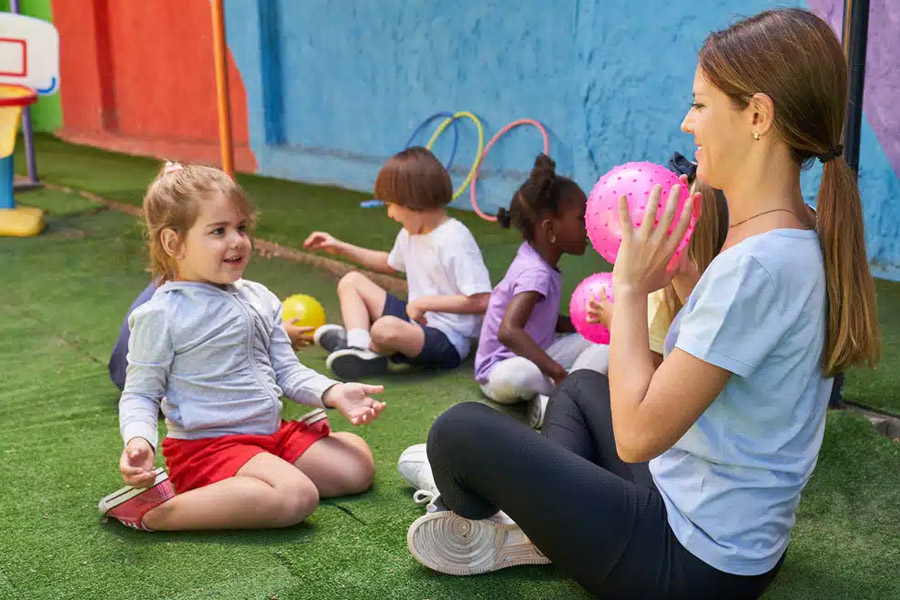
Imagine late afternoon light slanting across a gym floor, students exchanging science experiments and a quiet area where a student solves a maths problem. Structured before- and after-school activities make the home-school gap a growing opportunity. Children stay curious, connected, and confident with a rhythm—warm greetings, snack time, homework help, creative play, outdoor activity, and reflective wrap-ups. These programs design hours, not just fill them. The variety gives kids something new to explore each day, yet knowing what to expect makes them feel comfortable. This bridge makes a long day easier, kinder, and more rewarding for busy families.
Built-In Homework Help and Enrichment That Sticks
Homework becomes less of a nightly cliffhanger when dedicated time and support are built into the routine. In structured care, staff guide students through assignments, coach organization and study skills, and offer gentle nudges toward independence. The learning doesn’t stop at the worksheet either. Enrichment—think beginner coding, chess club, Lego engineering, junior journalism, or watercolor workshops—opens doors to new passions. Kids experience the thrill of small wins and the spark of “I want to learn more,” which can carry right back into the classroom. Over time, these steady, low-pressure touchpoints polish executive functioning, bolster academic confidence, and turn “I don’t get it” into “I’ve got this.”
Emotional Intelligence in Motion
Group games, collaborative projects, and creative challenges become playgrounds for social learning. In the hands of nurturing staff, children practice listening, sharing ideas, navigating disagreements, and cheering each other on. That’s emotional intelligence in motion—kids discovering how to read a room, ask for help, and manage big feelings. The tone matters: programs that celebrate effort, model empathy, and encourage reflection help children build resilience. You’ll see it in the tiny moments—a handshake after a heated match, a teammate stepping in to help, a reluctant speaker trying again. These are the skills that shape friendships, classroom experiences, and the way children move through the world.
Safety, Structure, and Trust You Can Feel
Parents prioritise peace of mind. Quality programs provide easy check-in, safe facilities, verified staff, and consistent routines. Kids know expectations and feel supported by tough but warm boundaries. Intentional activities, proactive monitoring, and a respectful setting distinguish “watched” from “well cared for”. Structure gives kids a compass, not rigidity. They know when to focus, play, and who to ask if something is wrong. Trust is a daily gift for children and their loved ones.
The Working Parent’s Secret Weapon
School ends hours before most employment. Structured care eases logistics and emotional burden by closing the gap. When parents don’t have to coordinate pickups or worry about idle time at home, they work better and are more present at evening routines. Kids are engaged, moving, solving, and laughing while waiting. The downstream impact is smoother nights, fewer homework battles, and a durable family rhythm. Modern life flows more smoothly with infrastructure, not luxuries.
Move, Play, Rest: Healthy Habits on Repeat
After sitting all day, youngsters need to move. To improve energy, attitude, and focus, the finest programs include regular physical play—tag, soccer, dance breaks, obstacle courses. Hydrating after play, careful breathing before homework, and nutritional snacks are also common. These little habits build up. Fun competition encourages teamwork and fair play, while regular movement helps sleep and emotional balance. Children learn what it feels like to feel happy in their bodies and minds by doing active, balanced activities daily.
Confidence, Independence, and Everyday Leadership
Structured care offers little leadership opportunities like setting up materials, leading a team, mentoring a younger student, or presenting a project. Staff assist youngsters set reasonable objectives, recognise accomplishment, and reflect on their journey. Doing builds confidence, not receiving praise. Students become independent by learning to advocate for themselves, manage time and work, and recover from mistakes. Each minor win reinforces the “I can figure this out” myth. Ask for what I need. I can try again.” That story is gold.
What Quality Looks Like
Great programs have a heartbeat you can feel when you enter. Find well-trained professionals with child development expertise and playful inventiveness. Notice ratios and group sizes—smaller groups frequently have more meaningful interactions. Ask if daily schedules balance homework, movement, creativity, and decompression. Age-appropriate novels, building sets, painting supplies, scientific kits and tinkering equipment matter too. Strong programs support healthy behaviour, celebrate diversity, interact with families, and let kids design activities and traditions.
Access and Inclusion: Meeting Every Child Where They Are
The most effective programs target actual kids with real differences. Inclusion includes providing sensory-friendly places, adaptable supports for neurodivergent learners, and tactics that help all children succeed. Visual timetables, choice boards, silent nooks, peer friends, and de-escalation and social coaching staff may be used. Accessibility includes transportation, sliding-scale prices, and cost-effective collaborations. Care that meets families where they are provides opportunities, not just hours.
Community Ripples: The Bigger Picture
Pre- and after-school care is communal infrastructure, not a convenience. Events, exhibits, and sports days bring families together, making small moments memorable. They support schools with routines, create jobs, and provide kids a safe third space to try on identities—artist, coder, athlete, storyteller—without fear of failure. Classrooms, living rooms, and playgrounds reap the benefits of calmer kids, connected parents, and village-like neighbourhoods.
FAQ
How do structured programs help with homework?
They set aside guided time for assignments, coaching study skills and offering support without doing the work for kids.
Are after-school programs safe?
Quality programs use clear check-in processes, trained staff, and structured routines to keep children secure and supervised.
What kinds of enrichment are offered?
Expect a mix of STEM, arts, language clubs, games, and sports that let children explore new interests at their own pace.
Do these programs support social development?
Yes, group projects and play build teamwork, communication, empathy, and conflict-resolution skills.
Can my child with unique learning needs participate?
Inclusive programs provide flexible supports, sensory-friendly spaces, and staff strategies tailored to varied learning profiles.
How does this help working parents?
It bridges the gap between school and work hours, reducing stress and creating dependable routines for families.
Is there time for physical activity?
Daily movement is a staple, with games and sports that boost health, focus, and mood.
What should I look for when choosing a program?
Check staff training, group sizes, a balanced schedule, inviting materials, and family communication that feels clear and consistent.