Key Takeaways
- Prioritize clearspan designs to maximize usable space.
- Incorporate energy-efficient systems for sustainability.
- Ensure compliance with safety and accessibility standards.
- Use high-quality materials to enhance durability.
- Plan for future adaptability and multi-purpose use.
Creating a state-of-the-art gymnasium requires meticulous planning, precision, and a commitment to long-term usability. Whether you are developing a school, community center, or commercial facility, the installing and construction for gymnasiums process encompasses a wide range of considerations—from the choice of layout to sustainability and adaptability. Addressing these factors from day one paves the way for a safer, more versatile, and cost-effective facility that meets the needs of all users.
The gymnasium environment is rapidly evolving, with advances in building materials, energy management, and expectations for inclusivity. It’s vital to start with a strong foundation—both literally and figuratively—by prioritizing clearspan designs for seamless activity zones, installing efficient systems, and maintaining the highest safety standards. Proper project coordination, use of sustainable practices, and future-proofing your design can significantly extend the value and usefulness of your facility for years to come.
Stakeholders, from architects and engineers to owners and community members, have a vested interest in creating a facility that is both functional and inviting. High-quality materials, coupled with ongoing maintenance plans and expert input, ensure your gymnasium remains a long-term asset. This comprehensive guide walks through the most essential best practices to keep in mind.
By adhering to these key guidelines, you ensure that the gymnasium serves various community, educational, or commercial purposes while remaining environmentally responsible and cost-effective throughout its lifecycle.
Designing for Maximum Space Utilization
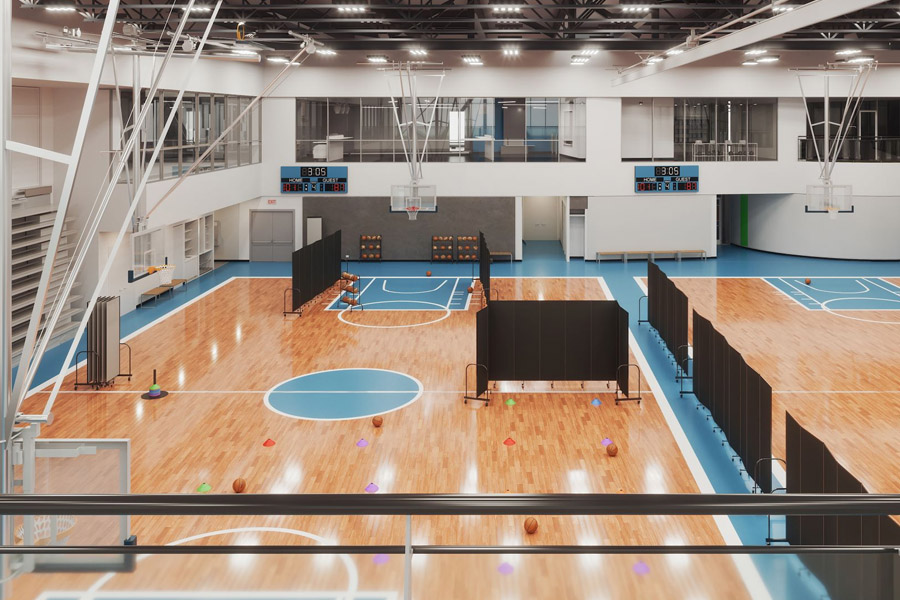
Maximizing functional space is paramount in gymnasium design. Favoring clear-span layouts eliminates interior support columns, providing uninterrupted areas that are ideal for a range of sporting and community activities. This approach enables flexible configurations, making it easy to shift between basketball games, indoor soccer, or assemblies. Modern clearspan steel framing can be engineered to span 200 feet or more, supporting diverse floor plans that stay relevant as needs evolve. For deeper insights into clear-span methodologies, refer to resources such as ArchDaily’s guide to clear-span architecture.
Incorporating Energy-Efficient Systems
Energy efficiency is not only environmentally responsible but also significantly impacts the operational costs of a gymnasium. Consider smart HVAC systems that adjust temperature and ventilation based on occupancy and usage schedules. LED lighting solutions, paired with automated controls, further reduce energy consumption while providing optimal visibility for all activities. Integrating renewable energy sources, such as rooftop solar panels, adds an extra layer of sustainability. For an in-depth look at energy-saving innovations in commercial buildings, The Washington Post explores net-zero energy in commercial construction.
Ensuring Safety and Accessibility
Safety and accessibility must be foundational elements in every gymnasium project. Install shock-absorbent, non-slip flooring to lower injury risks, and ensure all lighting is robust enough to prevent visibility-related accidents. Comprehensive emergency response systems, including strategically located fire exits and alarms, are critical. Incorporate ADA-compliant ramps, elevators, and accessible seating to make the facility welcoming to individuals of all abilities, and regularly review changing codes and standards to stay compliant. For information on inclusive design, the CDC offers guidance on universal design for public spaces.
Selecting High-Quality Materials
Durability starts with material selection. High-performance flooring systems reduce maintenance, support various athletic activities, and offer enhanced safety. For field houses, advanced turf ensures a consistent play surface, while robust wall paneling and ceiling systems provide protection from repeated impact. Investing in quality from the outset increases the facility’s lifespan and supports a premium, innovative experience.
Planning for Future Adaptability
Today’s gymnasiums need to cater to constantly shifting user demands. Designing multipurpose rooms and adaptable storage allows you to quickly convert areas for various sports, classes, or community events. Retractable bleachers, movable dividers, and integrated AV systems allow for the facility to transform from a sporting venue into a conference center or auditorium as needed.
Implementing Sustainable Practices
Eco-friendly building practices are critical to future-proofing gymnasiums. Incorporate recycled and low-VOC materials wherever possible, and plan rainwater harvesting or efficient irrigation systems for any adjacent green areas. Recycling initiatives and smart waste management reinforce a culture of sustainability for all users and staff.
Coordinating with Experienced Professionals
The expertise of your project team directly influences the outcome of your gymnasium. Engage architects, engineers, and specialty contractors with proven experience in athletic facility design and construction. Effective collaboration, from the initial design phase through to completion, ensures technical excellence and minimizes the risk of costly errors or overruns.
Maintaining the Facility
Safeguarding your property requires consistent and attentive maintenance to ensure long-term value and performance. Implementing a structured routine—such as thorough deep cleaning, scheduled inspections of essential systems like HVAC, plumbing, and lighting, and timely repairs—helps prevent minor issues from escalating into costly problems. This proactive approach maintains the facility’s operational efficiency, promotes a safe environment for occupants, and protects critical infrastructure from premature wear and tear. Over time, regular upkeep not only preserves the building’s appearance and functionality but also extends its overall lifespan, reduces unexpected downtime, and maximizes the return on investment for property owners.
Adopting best practices in gymnasium construction ensures facilities that are not only highly functional but also sustainable and accessible to all users. Thoughtful design, attention to durable materials, and strategic space planning create environments that accommodate a variety of sports, fitness activities, and community programs. By allocating appropriate resources, incorporating energy-efficient solutions, and considering long-term maintenance needs, these facilities remain safe, welcoming, and cost-effective over time. A forward-looking approach enables the gymnasium to evolve in response to changing needs, becoming a central hub for recreation, health, and community engagement for generations of users.