Key Takeaways
- Site preparation and drainage are foundational for concrete strength and longevity.
- The right mix and curing technique make all the difference for surface smoothness.
- Proper timing and use of specialized tools are essential for a flawless finish.
- Avoid frequent errors, such as overworking or ignoring weather effects on curing.
Achieving a flawless concrete finish is both an art and a science. It’s essential not only for creating an attractive surface but also for ensuring the durability and longevity of your project. Whether you’re just starting out or you’ve completed dozens of jobs, mastering the fundamentals and advanced techniques for a smooth finish will pay off on every pour. For more in-depth information on concrete finishing techniques, check out this detailed guide.
From the initial site preparation to the final smoothing strokes, each step counts. Attention to proper grading, the right mix, tool selection, and curing all contribute to a professional result. Even experienced pros revisit the basics to avoid common pitfalls and ensure their work stands the test of time.
Consistency in following best practices ensures your concrete stays strong, looks clean, and resists wear. Mistakes in preparation or execution can lead to cracks, uneven texture, or premature breakdown. There is no shortcut to a perfect finish, but there are proven methods to increase your chances of success every time.
Prepare the Site Properly
Meticulous site preparation forms the backbone of a long-lasting concrete surface. Begin by clearing debris, vegetation, and any loose soil from the work area. Next, grade the base to ensure water drains away from foundations or structures. Pro contractors recommend a minimum slope of 1/4 inch per foot. Prepping your site for delivery is also an important step at this stage. Ensure access routes are clear for trucks and equipment, remove overhead obstacles, and designate a stable area for unloading materials. Use a plate compactor to solidify the soil, and for challenging conditions like clay, lay a 4-inch stone base to promote drainage. Proper site preparation helps reduce the risk of shifting, cracking, or water damage over the years.
Choose the Right Concrete Mix
Not all concrete mixes are created equal. Match your mix to the demands of your job: standard blends are fine for small patios or pathways, but larger slabs benefit from additives, such as plasticizers, to improve workability. Avoid using fast-drying additives unless absolutely necessary, as they can make the surface harden before finishing is complete. In hotter months, shield your pour from direct sun with a tarp to slow curing and minimize surface cracking. These small steps give you more time to achieve a consistent finish.
Use the Appropriate Tools
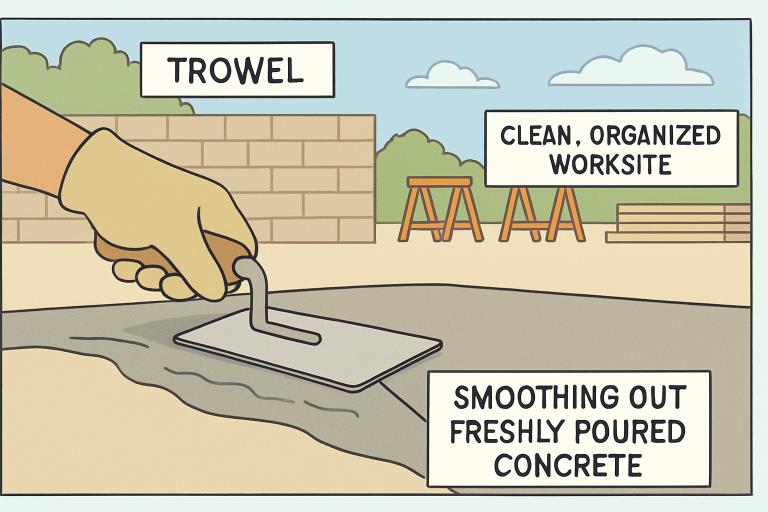
Tool selection is as important as the materials themselves. For spreading and leveling, a long bull float covers large sections quickly, while a hand float works best for edges and tight spaces. A steel trowel is then used to produce a glass-smooth finish, particularly on interior surfaces or those intended for sealing. Keeping your tools clean and ready throughout the job makes each step more efficient and leads to a more uniform surface.
Master the Timing
Concrete finishing rewards patience and timing. Start by screeding the surface to level the concrete with the form’s edge. Use a bull float right away, before bleed water appears. Wait until this moisture layer evaporates, as troweling too soon can weaken the surface and make it susceptible to dusting or flaking. Trowel only when the concrete can hold up weight without significant indentations, which is usually after it has started to harden but remains workable. Proper timing prevents surface defects and enhances overall quality.
Avoid Common Mistakes
- Poor Weather Planning:Pouring rain, freezing temperatures, or intense heat introduce risks. Always monitor the forecast and use additives or covers as needed.
- Overworking the Surface:Excessive finishing can weaken concrete’s top layer, reducing durability. Limit troweling sessions to what is strictly necessary.
- Overlooking Safety:Wear gloves, goggles, and boots. Ensure the worksite is free from trip hazards before starting.
- Skipping Checks:Frequent inspections throughout the pour allow you to catch and fix inconsistencies, air pockets, or debris that can mar the finish.
Cure the Concrete Properly
Curing is a science all its own. After final finishing, keep the concrete surface moist for at least seven days using a gentle mist or by placing damp burlap over the slab. Never allow the surface to dry out too quickly, as rapid dehydration can cause cracks and reduce overall strength. Adjust curing methods depending on climate and season.
Consider Decorative Finishes
If you want your concrete project to stand out, consider decorative options such as stamping, coloring, or polishing. After achieving a smooth base, polish surfaces with a fine-grit tool and seal with water-based acrylic for easy maintenance. These finishes not only enhance the slab’s visual appeal but also prolong its life and make future cleaning easier. Decorative finishes offer endless customization options, from natural stone looks to vibrant colors.
Learn from the Experts
Continuing education is just as valuable as hands-on experience. Seek out instructional videos, attend local workshops, or observe skilled tradespeople on site. Visual guides and professional tips are readily available, making it easier to learn new approaches and perfect your technique. Staying current with advancements in finishing methods can help you avoid mistakes and maintain top-notch results.
When you work carefully, choose the right materials, and consistently refine your technique, you’ll achieve a surface that is strong, smooth, and visually appealing. The satisfaction of a job well done is matched only by the lasting durability of your work.