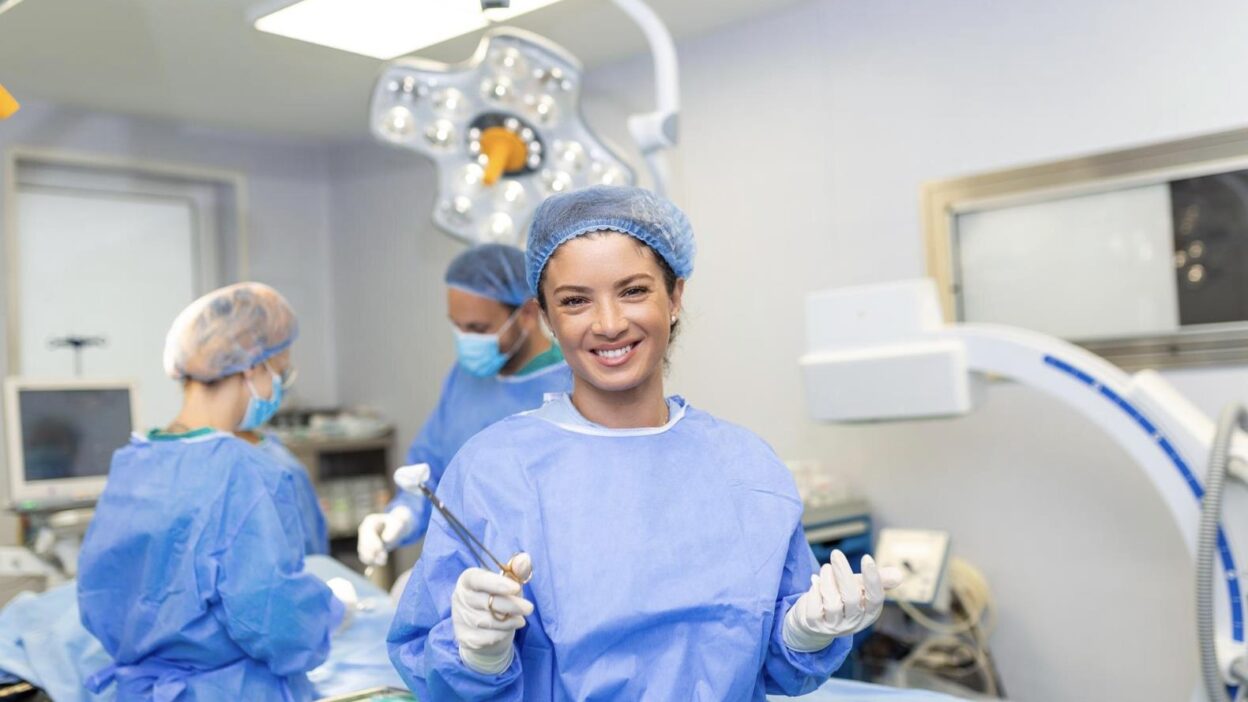
Singapore has earned international recognition for its high-quality healthcare services, attracting patients from around the world for a range of medical procedures, including appendectomies. Many patients actively seek out the best appendix surgeons to ensure accurate diagnosis, timely intervention, and safe recovery. The appendix, a small and often overlooked organ, becomes a source of serious concern when inflamed, requiring prompt surgical intervention. Within this context, the city-state stands out for its proficiency in surgical care, offering procedures that combine clinical expertise with advanced technology to achieve optimal outcomes while minimising risks.
Understanding Appendectomy in Singapore
An appendectomy involves the removal of an inflamed appendix, most commonly due to appendicitis. While the procedure is considered standard in surgical practice, it demands accuracy and experience to avoid complications such as infection or extended recovery periods. In Singapore, surgeons are adept at performing both laparoscopic and traditional open appendectomies. Laparoscopic surgery, which uses small incisions and specialised instruments, generally leads to reduced post-operative discomfort and shorter hospital stays, while open appendectomies are sometimes required for more complex or urgent cases. From the initial diagnosis to post-surgical follow-up, the healthcare framework in Singapore is designed to provide a seamless and supportive experience.
Qualifications and Training of Surgeons
Surgeons in Singapore undergo comprehensive training that spans several years, often combining local and international education. Many hold credentials from prestigious institutions worldwide, reflecting a deep knowledge of surgical practices and patient care standards. Beyond foundational training, surgeons continue to engage in research and skill enhancement. In the field of appendectomy, this ongoing development ensures that surgical teams remain well-versed in emerging techniques, minimally invasive procedures, and approaches that prioritise patient safety.
Leading Hospitals and Centres for Appendectomy
Top hospitals in Singapore provide not only skilled surgeons but also advanced infrastructure that supports precise diagnosis and effective surgery. Facilities such as Singapore General Hospital (SGH) and National University Hospital (NUH) are recognised for their commitment to high standards and patient-centred care.
Singapore General Hospital (SGH)
As the country’s largest hospital, SGH serves as a major referral centre for appendectomy and other surgical procedures. Its teams use modern laparoscopic tools and maintain protocols that emphasise careful pre-operative assessment and post-operative management. Surgeons collaborate with specialists across disciplines, including anaesthesia, radiology, and nursing care, ensuring that every aspect of treatment is addressed with attention to detail.
National University Hospital (NUH)
NUH, linked with the National University of Singapore, offers extensive surgical services and research initiatives. The hospital is known for managing challenging appendicitis cases with tailored strategies. Its teams engage in continuous study and clinical trials, refining surgical techniques to achieve consistently favourable outcomes. The combination of academic rigor and clinical expertise supports both high-quality care and ongoing innovation in patient management.

Distinguished Surgeons
Certain surgeons have achieved recognition for their skill, experience, and patient-focused approach.
Dr Lim Chi Eong operates at Mount Elizabeth Hospital and has more than two decades of experience. He is acknowledged for his precision in minimally invasive surgery and contributions to surgical literature, which have helped improve appendectomy protocols.
Dr Cheah Wei Keat practises at Gleneagles Hospital and is noted for his proficiency in both laparoscopic and open procedures. He is particularly adept at managing emergency cases, allowing patients to recover with minimal discomfort.
Dr Tan, although primarily a urologist, has extensive surgical experience that includes emergency appendectomies at Raffles Hospital. His holistic approach addresses not only the immediate surgical needs but also broader recovery considerations, ensuring patient safety and comfort.
Advances in Surgical Technology
Surgical practice in Singapore has evolved with the integration of advanced technology. Robotic systems and high-resolution imaging assist surgeons in performing more precise procedures, reducing invasiveness and improving recovery experiences.
Robotic-Assisted Surgery
Robotic systems provide surgeons with enhanced control and dexterity, allowing smaller incisions and careful manipulation of tissues. This capability is particularly useful in complex cases where precision is paramount, minimising the likelihood of unintended tissue damage.
Imaging and Diagnostics
Preoperative imaging, including computed tomography (CT) scans and magnetic resonance imaging (MRI), contributes to accurate diagnosis and surgical planning. High-definition imaging helps surgeons identify anatomical structures and potential complications before making incisions, facilitating careful and effective intervention.
Structured Post-Operative Care
Recovery management is a key component of appendectomy care in Singapore. Hospitals adopt a structured approach, assigning multidisciplinary teams that may include dieticians, physiotherapists, and care coordinators. This system ensures that patients receive ongoing attention, reducing the risk of complications and supporting a smooth return to daily routines.
Individualised Recovery Plans
Post-operative programmes are tailored to each patient’s condition. They cover pain management, dietary guidance, and gradual activity resumption, creating a supportive environment for healing. Patients benefit from comprehensive monitoring and guidance, which encourages steady progress throughout the recovery period.
Continuous Follow-Up
Regular follow-up appointments allow immediate consultation if concerns arise, maintaining high standards of care. This proactive monitoring helps detect potential complications early and sustains the quality of postoperative support.
Conclusion
Singapore’s healthcare framework combines skilled professionals, advanced medical technology, and comprehensive patient care systems to deliver effective appendectomy services. Surgeons’ extensive training, experience, and ongoing development, coupled with top-tier hospital facilities, produce excellent surgical outcomes. The careful attention to diagnosis, precise operative technique, and structured postoperative support demonstrate Singapore’s capability in managing appendicitis safely and efficiently. Patients benefit from procedures that reduce discomfort, accelerate recovery, and prioritise safety, confirming Singapore’s standing as a leading centre for surgical excellence.