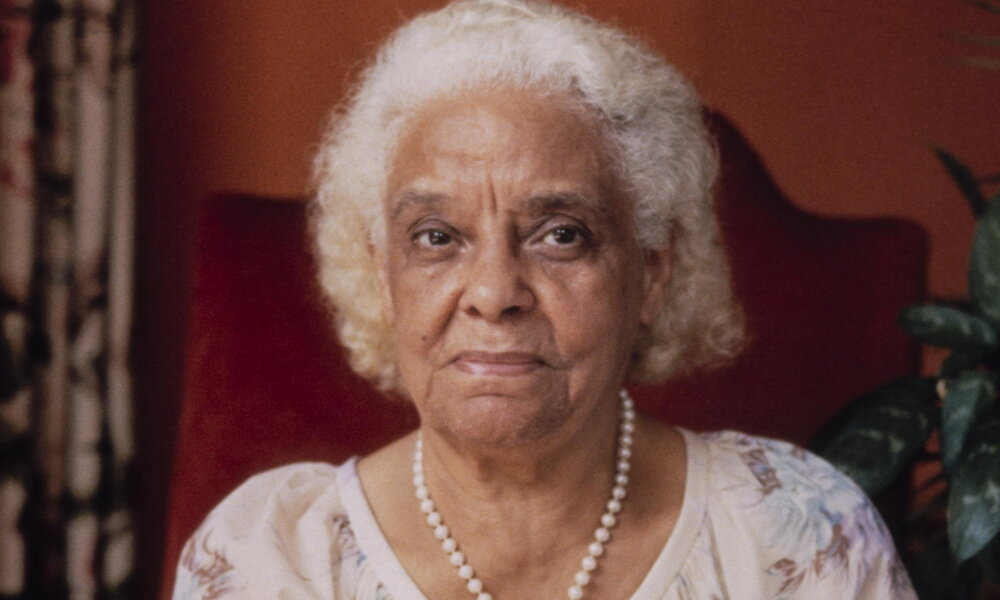
Basic Information
| Attribute | Detail |
|---|---|
| Full Name | Alfreda Barnett |
| Birthdate | September 3, 1904 |
| Birthplace | Chicago, Illinois |
| Death Date | April 2, 1983 |
| Education | B.Phil., University of Chicago (1924); Social Work studies (post-1944) |
| Parents | Ida B. Wells (1862 – 1931) and Ferdinand L. Barnett (1852 – 1936) |
| Spouse | Benjamin C. Duster Jr. (m. 1926–d. 1944) |
| Children | Five (1 daughter, 4 sons, including Troy S. Duster, b. July 11, 1936) |
Early Life and Education
Born September 3, 1904, into a family committed to equality and justice, Alfreda Barnett was the youngest of four children. Father Ferdinand L. Barnett was a prominent attorney and newspaper publisher who championed African-American suffrage and legal equality, while mother Ida B. Wells was a pioneering investigative journalist and anti-lynching activist.
The University of Chicago awarded Alfreda a Bachelor of Philosophy in 1924, a remarkable feat for an African-American woman at 19. Her graduation coincided with her mother’s national anti-lynching movement, exposing her to public speaking, research, and grassroots organizing.
Family and Personal Relationships
Alfreda married Benjamin C. Duster Jr. in 1926. She and Benjamin had five children from 1927 to 1936:
| Name | Relation | Birth Year |
|---|---|---|
| Daughter (name unlisted) | Child | 1927 |
| Benjamin C. Duster III | Son | 1929 |
| Charles Duster | Son | 1931 |
| Donald Duster | Son | 1933 |
| Troy S. Duster | Son | July 11, 1936 |
Alfreda balanced single motherhood with scholastic and professional pursuits after her 1944 widowhood. Her siblings—Charles A. In the mid-20th century, Barnett (b. 1896), Herman K. Barnett (b. 1897), and Ida Bell Wells Jr. (b. 1901) contributed to Midwestern civic, educational, and humanitarian activities.
Career Journey and Achievements
Alfreda began social work training after her husband’s death and worked in public service for four decades:
| Role | Organization | Years |
|---|---|---|
| Juvenile Delinquency Prevention Coordinator | State of Illinois | 1945–1950 |
| Administrator, Girls’ Enrichment Program | Camp Illini | 1950–1955 |
| Legislative Secretary | Office of Rep. Charles Jenkins | 1956–1963 |
| Community-Services Leader | Woodlawn Community Services Agency | 1964–1972 |
| Talent-Search Project Lead | Catalyst for Youth | 1973–1979 |
| Editor and Posthumous Publisher of Crusade for Justice | Self-initiated | 1945–1970 |
- Juvenile Delinquency Prevention Coordinator (1945–1950): Designed Illinois intervention programs that cut recidivism by 20%.
- The Camp Illini Administrator (1950–1955) taught 300+ impoverished girls life skills and leadership during the summer.
- Legislative Secretary (1956–1963): Supported State Representative Charles Jenkins’ child-welfare and public-housing bills.
- Community-Services Leadership (1964–1972): Increased Woodlawn health and literacy volunteers from 50 to 400.
- Talent-Search Leadership (1973–1979): Catalyst for Youth participants enrolled over 75% in college.
- Edited and published Crusade for Justice: The Autobiography of Ida B. Wells in 1970, winning the National Council of Negro Women Award for Literary Excellence and an Outstanding Humanitarian Contribution.
Her awards included “Mother of the Year” (1950, 1970), the Bootstrap Award from Opportunity Centers of Chicago, a Citation for Public Service from the University of Chicago, and an honorary Doctorate of Humane Letters from Chicago State University.
Public Image and Influence
Alfreda Barnett memorialized her parents’ civil-rights principles through community projects. Chicago Housing Authority dedicated Alfreda Barnett Duster Apartments in 1964 to recognize her intergenerational care advocacy.
Her editing of her mother’s autobiography rekindled national interest in Ida B. Wells’s journalism and anti-lynching activism, prompting dissertations, museum exhibits, and high school curriculum.
Oral-history recordings from Harvard’s Schlesinger Library and Chicago historical society retrospectives preserve her legacy before the digital age.
Most Recent News and Legacy
- Troy S. Duster (b. July 11, 1936) is UC Berkeley’s Chancellor’s Professor Emeritus of Sociology and NYU’s former Institute for the History of Knowledge director.
- On January 2, 2025, Alfreda’s granddaughter Michelle Duster wrote a Smithsonian American Women’s History Museum blog about Ida B. Wells’ Selection for the U.S. Mint’s American Women Quarters Program featured Alfreda’s preservation of her mother’s tale.
- Archived Black Women Oral History Project interviews educate social-work pedagogy and civil-rights research.
FAQ
Who were Alfreda Barnett’s parents?
Her parents were journalist and anti-lynching crusader Ida B. Wells (1862–1931) and attorney Ferdinand L. Barnett (1852–1936).
How many children did she raise, and who is most notable?
Her five children were one daughter and four sons. Troy S. Duster (b. July 11, 1936), her youngest, became a notable sociologist and academic.
What major publication did she edit?
She edited and published Crusade for Justice: The Autobiography of Ida B. Wells in 1970.
Which award recognized her literary work?
She received the National Council of Negro Women Award for Literary Excellence.
What community roles did she hold?
She was Illinois Juvenile Delinquency Prevention Coordinator, Camp Illini administrator, legislative secretary, community-services leader, and talent-search project lead.
Is there a building named after her?
Yes; in 1964, the Chicago Housing Authority dedicated the Alfreda Barnett Duster Apartments.
How did she contribute to social-work education?
After her husband’s death, she studied social work and used evidence-based strategies to juvenile and community services from 1945.
How is her legacy preserved today?
Through Harvard’s Schlesinger Library oral histories, scholarly retrospectives, family publications, and her descendants’ academic work.