The Subtle Ways Your Cooling System Says “Help”
Healthy cooling systems hum like a well-rehearsed orchestra—quiet and almost invisible. A room that never cools, a fan that sounds laboured, or a utility bill that raises an eyebrow are early signs of fatigue. Catch these murmurs early to avoid a full breakdown on the warmest Saturday at 3 p.m. in summer. and takes your plans.
Think of this as your insider’s field guide—what to watch, what it means, and how to move from quick fixes to a confident upgrade without overspending or overthinking.
Your Bills Climb but Your Habits Didn’t Change
If your energy use looks the same but your bill jumps, your system is likely working longer and harder to deliver the same comfort. Worn parts, declining refrigerant charge, and airflow issues force the unit to run more cycles, guzzling electricity along the way.
Repairs Are Becoming a Ritual
A tune-up here, a capacitor there—that’s normal. But if you’re making more than one or two service calls a season, the treadmill of repairs often costs more than it’s worth. Track your last two years of invoices; when cumulative repair spend approaches the price of a new system’s down payment, it’s time to stop patching and start planning.
Rooms With Moods: Uneven Temps and Weak Airflow
Freezing in one bedroom, sticky in the living room? That points to trouble. It could be a weakening compressor, duct leakage, blocked returns, or a system that was undersized from day one. If the air from your vents feels faint even at high fan speeds, that’s a red flag for failing blower motors, clogged coils, or duct obstructions.
Noises and Smells You Shouldn’t Ignore
Your AC should sound like calm background music, not a garage band. Grinding, squealing, or banging can indicate failing bearings, misaligned fan blades, or a compressor in distress. On the scent front: a musty odor hints at microbial growth in coils or ducts, and a sharp, acrid smell could mean electrical trouble. Both deserve immediate attention for comfort and safety.
The Insider Checklist: Hidden Clues Pros Notice
Beyond the obvious, techs look for signals that often predict bigger failures:
- Short cycling: The unit starts and stops frequently, never settling into a steady run. That’s rough on components and a huge energy waster.
- High indoor humidity: The air feels clammy even when the thermostat hits its setpoint, often due to impaired dehumidification or oversized equipment.
- Iced indoor or outdoor coils: Typically tied to low airflow, dirty filters, or refrigerant issues.
- Dust build-up and hot ceilings: Duct leaks pulling attic air into supply lines and pushing your conditioned air into the void.
- Legacy refrigerant: Older systems using phased-out refrigerants are costlier to service and a prime candidate for replacement.
What To Do the Moment You Notice the Signs
Start with simple wins: replace the filter, clear supply and return vents, and confirm the thermostat is accurately reading temperature. Then schedule a professional inspection. Ask for a full system evaluation, not just a “charge and go”: refrigerant levels, static pressure and airflow, duct leakage, coil condition, electrical components, and a load assessment of your home.
Repair or Replace? Make the Math Easy
Age is the headline: most central AC systems and heat pumps last 12–20 years, depending on climate and maintenance. Here’s an easy rule of thumb that insiders quietly use:
- The 50% rule: If a single repair costs half (or more) of a replacement, lean new.
- The 5,000 rule: Multiply the repair cost by the system’s age; if the number exceeds 5,000, replacement often makes better financial sense. Layer in efficiency: today’s equipment can dramatically lower operating costs, and in many homes, those savings help offset monthly financing for the upgrade.
Choosing Your Next System the Smart Way
Right-sizing beats oversizing every time. Demand a proper load calculation for your home rather than a “same as the old one” swap. Then focus on the features that matter in the real world:
- Efficiency ratings that reflect current standards: look for modern testing metrics and choose an efficiency tier that fits your climate and budget.
- Variable-speed or two-stage operation for gentler, quieter runs, tighter temperature control, and better humidity removal.
- Heat pump options for year-round comfort, especially if your winters are moderate or you’re eyeing electrification.
- Quiet operation ratings if bedrooms hug the condenser wall or you’re noise-sensitive.
Don’t Forget the Air Highway: Ductwork Matters
Your system can only be as good as the ducts that carry its air. If you’ve got hot rooms, dusty air, or whistling grilles, ask for duct testing. Sealing leaks, adding returns, correcting crushed runs, and balancing airflow often unlocks comfort you’ve never had—sometimes allowing a smaller, more efficient system to do the job.
Upgrades That Actually Pull Their Weight
A few add-ons earn their keep:
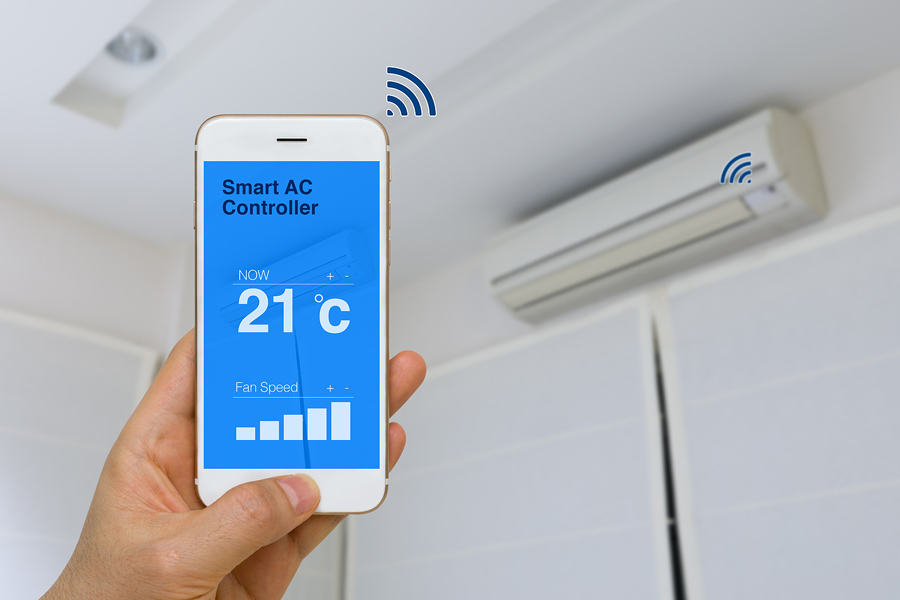
- A smart, properly set thermostat for precision control and energy savings.
- High-efficiency, low-resistance filters (paired with the right fan) and a clean evaporator coil for better airflow and IAQ.
- Whole-home dehumidification in muggy climates for that crisp, theater-cool feel even at slightly higher setpoints.
Timing, Rebates, and Budgeting Without the Drama
If your unit is struggling, spring or autumn replacements offer speedier scheduling and lower prices. Utility rebates, seasonal promotions, and tax benefits can save hundreds or thousands on a project. To avoid surprises when the crew drives into your driveway, a professional contractor will describe total installed cost, permitting, warranty coverage, and a timeframe from ducting adjustments to final commissioning.
The First Call You Make—and What to Ask
Call a licensed, insured HVAC pro and say you want a diagnostic with options, not just a bandage. Ask for:
- A written report with photos and measurements.
- A repair estimate and an apples-to-apples replacement quote with efficiency ratings and warranties.
- Confirmation of a load calculation and airflow/duct evaluation if replacement is on the table. Five minutes of good questions now can save years of second-guessing later—and keep your home feeling like that cool, dark movie theater on a blazing afternoon.
FAQ
How long should a central AC or heat pump last?
Most systems run 12–20 years, with climate, maintenance, and installation quality making the difference.
What is short cycling and why is it bad?
It’s when your system turns on and off rapidly, stressing components, wasting energy, and failing to dehumidify properly.
My AC still cools—why consider replacement?
If it’s inefficient, unreliable, or uses costly legacy refrigerant, a new system can cut bills and headaches even while the old one “works.”
How often should I change my filter?
Check monthly and replace every 1–3 months, sooner with pets, dust, or allergy concerns.
Could the ducts be the real problem?
Absolutely—leaky or undersized ducts can cause uneven rooms, high bills, and poor airflow even with a good system.
What efficiency rating should I look for?
Choose a modern, compliant efficiency level that fits your climate and budget; higher tiers typically save more over time.
Should I consider a heat pump instead of AC?
In many regions, heat pumps deliver efficient cooling and heating, often lowering year-round energy costs.
What size system do I need?
Insist on a professional load calculation; guessing by square footage or replacing “like for like” often leads to comfort issues.
When’s the best time to replace?
Shoulder seasons—spring and fall—often offer better scheduling and promotional pricing.
How long does installation take?
Most replacements finish in a day, while ductwork fixes or add-ons can stretch it to two or more.