The Elements vs. Your House: A Slow-Motion Battle
Your home is a quiet hero, standing up to sunlight, wind, rain, and all the temperature swings your region can throw its way. But exposure adds up. Sun bleaches paint and dries sealants. Heat expands materials; cold contracts them. Moisture sneaks into hairline cracks, then freezes and widens them. Over years, those tiny shifts become warped siding, brittle shingles, and the kind of leaks that announce themselves only after the damage is done.
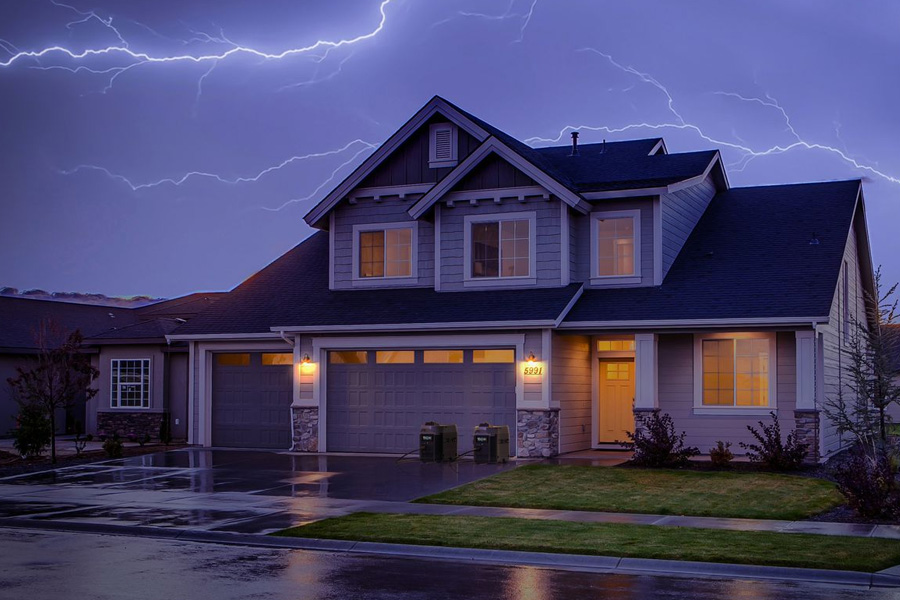
Think of weather-proofing as preventive care with a cinematic twist: you’re fortifying your set before the storm scene rolls in. Regular checks catch the small stuff—flaking caulk, loose flashing, hairline foundation gaps—before they turn into costly repairs. The payoff is practical: steadier indoor temperatures, lower energy bills, fewer weekend emergencies, and a house that feels solid even when the sky looks dramatic.
The Roof: Your Frontline Shield
If your home had a helmet, it would be the roof. It takes the brunt of sun, wind, and rain, and it has to do it day after day, season after season. A once-a-year roof inspection—ideally ahead of the most intense season in your area—can spot cracked or missing shingles, loose ridge caps, aging sealants, and clogged gutters. Even minor gaps around flashing can send water under the roofing surface and into ceilings and walls, where it quietly expands its territory.
Gutters clearing a raging deluge like stuntwork and valleys dropping leaves like a seasoned team wrapping a set make good roof care cinematic. Keep debris off the roof, clear gutters and downspouts, and repair damaged shingles immediately to protect insulation, heat loss, and inside comfort.
Insulation: Comfort You Can’t See
Insulation is the behind-the-scenes star that carries the movie. In summer, it blocks radiant heat and slows the march of hot air into living spaces. In winter, it traps warmth and smooths out cold spots. If you have rooms that feel muggy by late afternoon or chilly while the thermostat says otherwise, your insulation may be thin, compressed, or simply outdated.
Upgrading attic and wall insulation can dial down energy use while easing the workload on your HVAC system, which helps extend its life. Pair it with proper air sealing and the effect multiplies: fewer drafts, quieter rooms, more stable temperatures, and that satisfying feeling of a house that holds the line when weather flips the script.
Seal the Small Stuff: Tiny Gaps, Big Leaks
Air and water don’t need big entrances. Side doors—the slit under a threshold, the hairline fracture along a window casing, the dryer vent gap—are their favourites. Weatherstripping around doors, high-quality caulk for window frames and trim, and expanding foam for pipes, vents, and penetrations are inexpensive, effective repairs.
A twice-yearly sweep—pre-summer and pre-winter—creates a simple rhythm. Walk your perimeter. Look for cracked sealant, loose door sweeps, and gaps you can see or feel. The moment you close those micro-openings, you’ll notice quieter rooms, less dust, and HVAC cycles that suddenly seem less frantic.
Water Management: Keep the Wet Outside
Water never stops. It follows gravity to the lowest place and stays. From the roofline, clear gutters and direct downspouts away from the foundation. Look for runoff ponds near the home; a little extension or splash block can divert the water like a river guide.
Inside, trust your senses. Musty smells in basements or closets, faint discoloration on ceilings, and soft spots near tubs or sinks are early signals. Address leaks quickly and you’ll stop rot, mold, and the silent weakening of subfloors and framing. If heavy storms are your norm, consider drainage upgrades such as French drains or adding protection in the basement. The goal isn’t perfection—it’s a system that sends water away and helps materials stay dry.
Ventilation: Let Your Home Breathe
Well-ventilated homes are healthier and stronger. Attic heat and humidity fry shingles from below and dampen insulation. Heat and moisture escape through balanced attic ventilation—intake at the eaves, exhaust at the ridge—protecting the roof and room insulation.
Instead of damaging plasterboard, grout and woodwork, kitchen and bathroom exhaust fans quietly remove steam and airborne particles. Poor ventilation may cause windows to fog, rooms to smell damp in the morning, and temperature swings from hallway to bedroom. Adjust ventilation for better air quality and dryer surfaces.
Materials That Match Your Climate
No materials list fits all. Zip code personality determines optimum options. Moisture-resistant siding, treated frame, stainless or coated fasteners, and rot-resistant trim prevent swelling, corrosion, and decay in coastal or humid environments. Impact-rated shingles and reinforced window assemblies provide further protection during heavy winds.
Hot, sun-heavy regions benefit from light-colored, reflective roofing that bounces heat away, plus shading strategies that ease afternoon load. In places with wild temperature swings, materials like fiber cement and brick handle expansion and contraction without drama. Think long-term: low-maintenance options may cost more upfront, but they save you hours, repairs, and energy over years. When you upgrade, choose products suited to the weather they’ll meet on day one and day one thousand.
A Maintenance Rhythm That Actually Sticks
Weatherproofing is a rhythm, not a one-time montage. Create and follow a simple seasonal loop. Test exhaust fans, clean gutters, evaluate caulk and paint and check the roof after winter stress in spring. Fall: clean leaves, block drafts, and check insulation and weatherstripping for cold. Install brief monthly routines like a visual pass after huge storms to feel like a calm director.
Benefits accumulate. A sound roof and consistent drainage eliminate surprises that lead to costly repairs, while proper air sealing cuts energy waste. These modest actions create a calm environment with stable temperatures, fewer mechanical issues, and the confidence to watch a thunderstorm without checking the ceiling for spots.
FAQ
How often should I check my roof?
Do a full inspection at least once a year and after major storms, focusing on shingles, flashing, and gutters.
What’s the quickest weather-proofing fix with the biggest impact?
Air sealing around doors, windows, and penetrations is inexpensive and immediately improves comfort and efficiency.
How do I know if my insulation is failing?
Persistent hot or cold spots, rising energy bills, and rooms that never quite stabilize are classic red flags.
Can I DIY weather-proofing or should I hire a pro?
Many tasks—caulking, weather-stripping, gutter cleaning—are DIY-friendly, while roof repairs and major insulation upgrades are best handled by professionals.
When is the best time of year to weather-proof?
Tackle upgrades before your area’s most extreme season so materials are ready and you avoid working in harsh conditions.
Will weather-proofing increase my home’s value?
It can boost perceived quality, lower operating costs, and make inspections go smoother, which helps resale appeal.