What a Protective Order Actually Covers
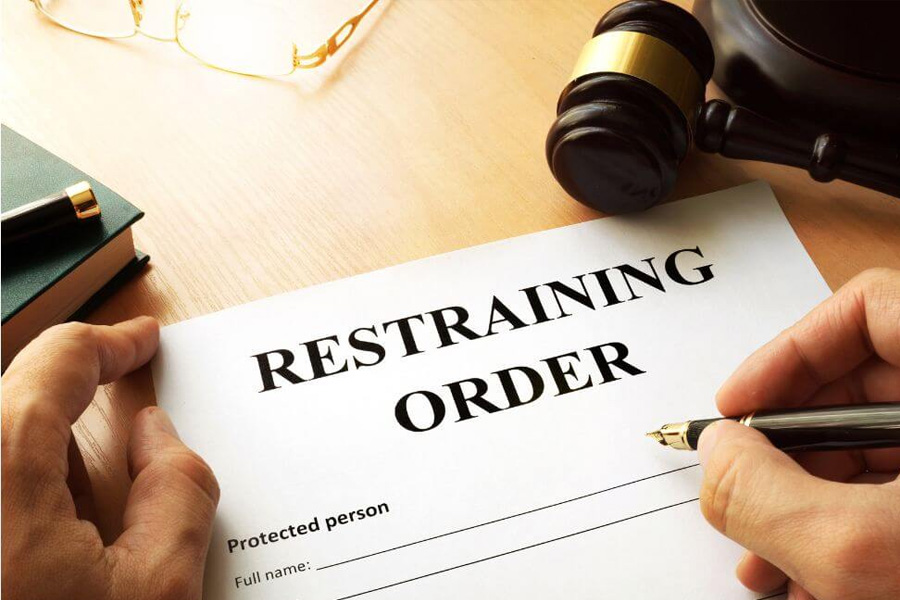
Think of a protective order like a force field with rules baked in. It’s a court order designed to create safe distance—physical, digital, and emotional—between two people, and it’s legally enforceable the moment it’s served.
Most orders include:
- No contact of any kind: no calls, texts, DMs, emails, letters, or gifts—no “likes,” no emoji reactions, no “just checking in.”
- Distance requirements: stay a specified number of yards away from the protected person, their home, job, school, or any place they’re known to frequent.
- No third‑party relays: no using friends, family, coworkers, or ride-share drivers as messengers.
- No harassment or monitoring: no surveillance, tracking, threats, or “coincidental” drive-bys.
- Firearms restrictions (often): many orders require surrendering firearms during the order’s duration.
- Controlled exceptions: in some cases, a court may allow limited contact for child exchanges or property retrieval—but only as stated in the order, sometimes with law enforcement present.
The fine print matters. A protective order is not flexible or casual; it’s binary: you’re either in compliance, or you’re violating it.
The Missteps That Get People Charged
Direct or indirect touch is the most typical infraction. A single “hey” text, heart reaction on a photo, or request to a common friend can lead to an arrest. Social media is full with landmines: tagging, following, viewing Stories, even group DMs can be considered interaction.
Accidental encounters also trip people up. Running into the protected person at a market or concert doesn’t automatically equal a violation—but what you do next does. If you don’t immediately and calmly leave, you risk turning coincidence into a charge.
Misreading carve‑outs is another frequent problem. Orders that allow child exchanges or lawyer‑to‑lawyer communications are not blanket permission to chat. If the order says communication must go through a court‑approved app or intermediary, that’s the only channel you can use.
Digital “breadcrumbs” count too. Payment apps, shared calendars, family photo albums, location sharing, even gaming platforms can produce unintentional contact. If you’re connected anywhere, you’re connected everywhere—until you intentionally sever those ties.
Consequences You Might Not Expect
Violating a protective order can lead to arrest, criminal charges, fines, and jail time. Depending on the jurisdiction and your record, a violation might be a misdemeanor or escalate to a felony—especially with repeat offenses or violence.
Ripples include tougher bail, probation, GPS tracking, travel restrictions, and mandatory classes. Professionally, infractions can cost jobs, security clearances, licenses, and schooling. In family court, violations can affect custody and visitation. Non-citizens may face immigration implications.
A Practical Playbook to Stay Compliant
- Treat the order as absolute. Assume no contact means zero contact—even if the protected person reaches out. Don’t reply. Document the attempt and speak with your attorney.
- Carry the order and know it cold. Keep a copy on your phone. Highlight distance rules, exceptions, and any approved communication channels.
- Build a no‑contact bubble. Block phone numbers, emails, and social accounts. Leave group chats. Remove tags and shared albums. Turn off location sharing and “Find My” on all devices.
- Reroute your routine. Change gyms, coffee shops, commute times, and hangouts that overlap. If you share a workplace, talk to HR or security about keeping distance.
- Geofence yourself. Use calendar reminders and map notes marking restricted addresses. If you spot the protected person, exit immediately; don’t linger, argue, or explain.
- Use only court‑approved channels for specific carve‑outs. For co‑parenting, stick to the mandated app or intermediary. Don’t send messages through kids, relatives, or friends.
- Retrieve property the right way. If the order allows pick‑ups, schedule with law enforcement or a neutral third party as directed by the court. Don’t show up unannounced.
- Document everything. Keep a simple log of accidental sightings, route changes, calls to your lawyer, and any attempted contacts you receive.
- When in doubt, ask your lawyer. If a term is fuzzy or your life changes (new job, new school, travel), seek clarification or a modification from the court—never improvise.
- Take care of yourself. Counseling, support groups, and a strong routine help you resist reflexive contact and stay focused on compliance.
Digital Age Traps to Avoid
Modern platforms blur lines. A “like,” follow, or Story view can be contact; group messages, event invites, and “people you may know” suggestions can entangle you. Payment apps can ping the other person; rides, food deliveries, or gifts sent to their address can look like contact even if unintended. Disable auto‑syncs, drop shared clouds, and audit every app where your name could surface near theirs.
If you both belong to the same online communities, step back for now. Silence beats screenshots in a courtroom.
When Life Overlaps: Co‑Parenting, Housing, and Shared Stuff
Co‑parenting under a protective order requires precision. Use the court‑approved app if one is named, and stick to the parenting plan without ad‑libbing. Exchanges should happen at designated sites—often police stations or supervised centers—on time and without conversation beyond what’s permitted.
Follow the sequence for shared housing or items. You may require a one-time guided pick-up or a documented timetable from counsel. Avoid mail, utilities, and pet care as communication backdoors. If bills or leases overlap, have your attorney organise transfers in writing.
If the protected person shows up unexpectedly at an exchange with others in tow, don’t engage. Note the time, location, and conditions, complete the exchange if the order permits, and speak to your lawyer about adjustments afterward.
How to Handle an Accidental Encounter
Simple script: spot them, leave immediately. No explanation, no eye contact, no closeness detours. If you can’t leave (busy train, lift), increase distance, avoid interaction, and exit at the first safe chance. After, write the time and place. If the protected person initiated proximity, you must comply.
If You’re Contacted First
It happens: a text, a call, a “can we talk?” message. Don’t respond. Take a screenshot or save the voicemail for your attorney. The court’s order controls you, not the other person’s impulses or invitations. If communication needs to happen for co‑parenting or logistics, ask your lawyer how to channel it through the court‑approved method or request a targeted modification.
FAQ
If the protected person texts or calls me, can I reply?
No. Even if they initiate, you must not respond; save the message and speak with your lawyer.
What should I do if we bump into each other in public?
Leave immediately and calmly, and avoid any interaction or lingering.
Can I “like” or view their social media posts?
No; any engagement can be treated as contact and risk a violation.
What about group chats or shared online communities?
Exit the group and avoid spaces where interaction is likely, even if it’s inconvenient.
Can I retrieve my belongings from our former home?
Only if the order allows it and typically with law enforcement or a neutral third party present.
We share kids—how do we coordinate?
Use the court‑approved parenting app or intermediary exactly as specified in the order.
Is it a violation if I accidentally pass by their street?
If your order includes stay‑away zones, reroute proactively and don’t stop or linger.
Will a first violation automatically mean jail?
Not always, but arrest and serious penalties are possible; courts take any violation seriously.
Can the order be changed if circumstances shift?
Yes; your attorney can request a modification, but follow the current order until it’s changed.
Do protective orders usually restrict firearms?
Often they do; follow the surrender terms if required by your order.
How long do protective orders last?
Durations vary by court and type of order; check your paperwork and ask your attorney.
What if the allegation is false?
Document everything and work with counsel quickly; don’t contact the protected person to “clear it up.”