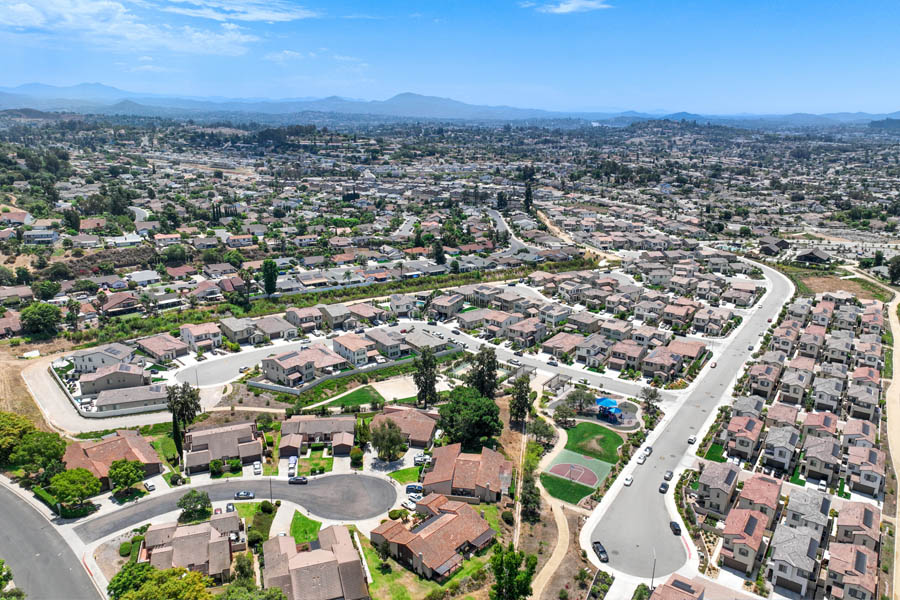
The Backbone of a Thriving HOA
A well-run homeowners’ association powers a planned neighbourhood quietly. It maintains common area lights, opens the pool on time, balances budgets, prepares repairs, and implements board decisions. Good management makes everything easy: landscaping is clean, sidewalks are safe, facilities gleam, and purchasers feel cared for before they park.
HOA management also sits in the middle of those delicate relationships—board to residents, residents to vendors, vendors to board. They set service expectations, keep projects moving, and prevent small annoyances from turning into costly problems. In short, their performance directly touches property values and quality of life.
Money Troubles: When Trust Starts to Slip
Financial mismanagement is the fastest way to break confidence. Owners want transparent, timely accounting—real numbers, real dates, real detail. When monthly or quarterly financials go missing or show up as vague summaries without line items, homeowners start to wonder what else is slipping.
Thin reserve funding is another issue. Smart management anticipates roofing, pavement, mechanicals and building systems years in advance so money is ready for big-ticket work. If reserves fall short, extra assessments often follow, which can sour even the happiest teammate.
Vendor contracts tell a story too. Overpaying for routine services, skipping competitive bids, or holding onto underperforming vendors drains funds and patience. The best management companies use performance metrics, bid cycles, and clear scopes to protect budgets while raising the bar on service.
Maintenance Misfires: The Visible Cost of Neglect
If money breaks trust, maintenance breaks hearts. Residents pay dues for clean, safe, well-kept spaces and notice when they’re not. Overgrown plants, peeling paint, crumbling walkways, broken gates, hazy pool water, and flickering lights frustrate visitors and buyers and show neglect.
Slow response times compound the frustration. Urgent items should be tracked and addressed quickly, with updates along the way. A proactive management team schedules regular inspections, creates preventive maintenance calendars, and fixes small problems before they become expensive emergencies. That approach saves dollars and dignity.
Uneven Rule Enforcement: Community Harmony on the Line
Rules protect harmonious coexistence. Uneven enforcement simmers tensions, but constant enforcement soothes everyone. Resentment grows quickly when favouritism is real or perceived. If one owner gets away with overflowing garbage cans or late-night noise while another is reprimanded for minor décor, confrontation is inevitable.
Clear processes help. A steady, documented approach to notices, timelines, and consequences makes enforcement feel fair. Addressing repeat offenders promptly prevents disputes from escalating into neighbor standoffs or legal headaches.
How Owners Can Move the Needle
Homeowners aren’t powerless when management falls short. The governing documents typically outline how contracts can be terminated for cause, including notice requirements and timelines. Reading the CC&Rs and state statutes clarifies the path.
Elections are another lever. Running for the board or supporting reform-minded candidates gives residents a direct say in strategy and accountability. Petition drives can spotlight widespread concerns and compel the board to address them. If those efforts stall and duties are clearly being breached, legal remedies may be the last resort—even if they’re costly and time-consuming.
What Good Management Looks Like
Strong HOA management is both visible and invisible—the results you see and the systems you don’t. It looks like:
- Transparent financial dashboards with line-item budgets, on-time reports, and annual reserve studies that match the real life cycles of assets.
- Vendor scorecards, competitive bids, and service-level agreements with response-time targets so issues are handled fast and fairly.
- Preventive maintenance plans with seasonal tasks, documented inspections, and forward calendars for big capital work.
- Clear communications: newsletters, portals, email updates, and easy ways for owners to submit requests and track progress.
- Professional rule enforcement with uniform procedures, thoughtful discretion, and consistent documentation.
Spotting Trouble Early
Early warning signs pop up before a crisis:
- Financials arrive late or light on detail, reserves flatline, or special assessments become routine.
- Maintenance feels reactive instead of planned, and the same issues resurface after “fixes.”
- Resident requests disappear into an inbox void or bounce between departments.
- Vendor churn is constant and projects stall without explanation.
- Board meetings grow tense, and updates become sporadic or opaque.
Catching these signals early gives owners and boards more options—and less drama—when it’s time to course-correct.
Managing the Transition Without Drama
Switching management is a big move, but it doesn’t have to be messy. Smooth transitions follow a clear sequence:
- Audit and organize: gather contracts, warranties, insurance, financial records, architectural files, and vendor contacts.
- Handoff checklist: set a firm date, outline deliverables, and require current, reconciled financials.
- Continuity plan: identify active projects, create temporary coverage for urgent maintenance, and communicate service expectations to vendors.
- Owner communication: announce the change, timeline, and new contact channels so residents know where to go for help.
- Budget and policy review: the new team evaluates reserves, contract terms, and enforcement procedures, then sets a fresh cadence for reports and meetings.
- Listening sessions: invite feedback to capture long-standing issues and quick wins—early victories build confidence.
FAQ
What’s the first sign an HOA management company isn’t performing?
Delayed or vague financial reports and slow maintenance response times are common early indicators.
How often should owners see financial statements?
Monthly or quarterly is typical, with annual budgets and reserve studies shared and discussed openly.
Can a board change management mid-contract?
Yes, if the contract and governing documents allow termination for cause and proper notice is given.
What are reserves and why do they matter?
Reserves fund future capital repairs; adequate planning prevents surprise special assessments.
How should rule violations be handled?
Consistently, with documented notices, timelines, and fair application across all residents.
What’s a vendor scorecard?
It’s a simple tool to track vendor performance, pricing, response times, and quality over time.
How can residents submit maintenance requests effectively?
Use the official portal or designated email and include photos, location details, and urgency.
What makes a transition to new management successful?
Clear communication, organized handoffs, continuity for urgent services, and early, visible improvements.