Think of a storage unit as an off-site closet with a job to do: keep your stuff safe, clean, and within reach when life gets busy or space runs thin, highlights OKC Homes 4 You, a leading property management team. The best facilities don’t just hand you a key; they combine thoughtful design, reliable technology, and policies that make access feel frictionless and protection feel non-negotiable. Here’s the insider’s tour of what to look for—so your belongings are treated like they matter.
Access and Location That Fit Your Real Life
Your storage experience revolves around access hours. True 24/7 gate access can save the day for late-night trip returns, weekend DIY projects, and odd-hour inventory runs. Others keep business hours or extended evenings, which is good if you visit rarely or want additional supervision. Avoid “closed” signage by matching your timetable to the gate’s clock.
Location does more than set your GPS. A unit near home or the office keeps quick grabs painless and makes seasonal swaps—think winter gear for summer gear—feel efficient. If you’re storing long-term without frequent visits, you can prioritize features and price over proximity, but don’t underestimate the subtle cost of long drives when you’re already stretched thin.
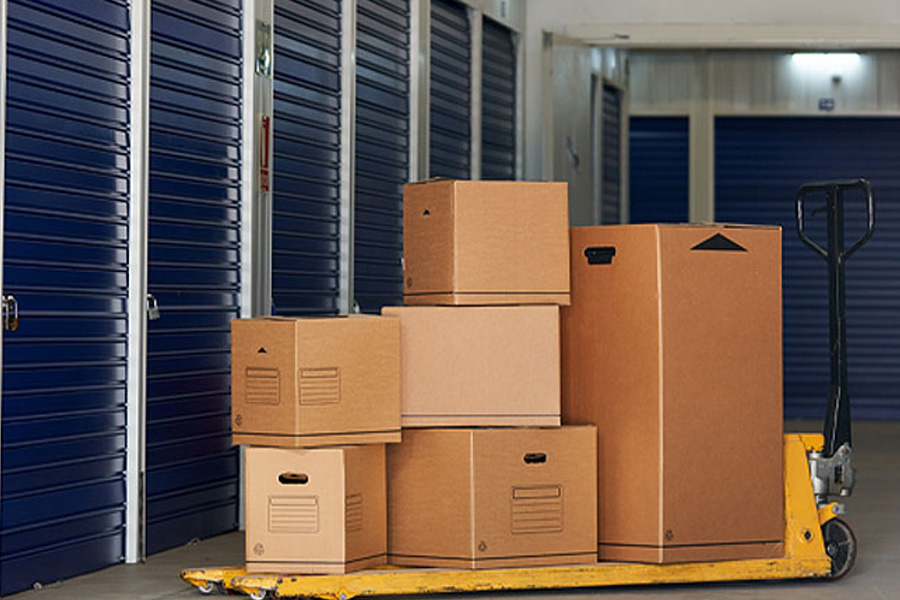
Inside the property, convenience lives in the details. Ground-floor units cut hauling time; upper floors with reliable elevators can be just as good in well-designed buildings. Wide drive aisles prevent three-point turns with a moving truck. Abundant, well-marked parking and loading zones make move-in day smooth instead of chaotic. Bonus points for facilities that provide sturdy carts, dollies, and covered loading areas to keep you—and your furniture—out of the rain.
Climate Control That Actually Protects
Climate control isn’t a buzzword; it’s a shield for anything sensitive to heat, cold, or moisture. Wood furniture hates humidity swings. Electronics suffer in extreme temperatures. Books and artwork want steady conditions to avoid warping, mold, or fading. Look for systems that maintain consistent temperature and humidity year-round, not just “air conditioning in summer.”
In regions with big seasonal swings, reliability matters. Ask how the facility handles extreme heat waves and cold snaps. Robust insulation, sealed doors, and well-managed ventilation help the system do its job. Units with dedicated dehumidification are especially useful in damp climates where moisture creeps into cardboard and fabrics. When the building shell and the HVAC work together, your stored items don’t have to fight the weather.
Right-Sized Units and Room to Grow
Size is more than square footage—it’s clearance, layout, and your packing strategy. Small units can work if you think vertically: sturdy shelving, clear labeling, and safe stacking keep fragile items off the floor and heavy items at waist height. Overbuying space wastes money, but underbuying space forces awkward piles and crammed aisles that invite damage.
Consider how ceiling height affects maths for common size steps (5×5, 5×10, 10×10, 10×15, 10×20, and beyond). Shelf-equipped tall units transport additional air and storage. Leave a walkway down the centre or along a wall for regular box access. For rising demands, choose a facility with easy unit transfers, flexible month-to-month periods, and pro-rated modifications to avoid changing houses.
Drive-up units with exterior doors and vehicle access are ideal for heavy loads and frequent transfers. Indoor units provide superior climatic stability, security, and rain and snow protection when hauling. Choose based on what you’re storing and how often you’ll visit.
Security Tech and Policies You Can Trust
Real security combines hardware, software, and habits. Modern facilities log and track access via keypad or mobile-app gates. High-resolution cameras at entrances, hallways, and drive lanes prevent and reconstruct accidents. The property’s bright, steady illumination lessens shadows, risk, and loneliness at night.
Individual door alarms inform workers if a door is opened without authorisation. Quality locks are important: disc locks are harder to tamper with than padlocks, and some facilities offer smart locks with digital credentials. Regular patrols and on-site workers improve accountability and reaction. Ask how often film is reviewed, how incidents are handled, and if the property resolves issues quickly.
Beyond theft, think “prevent and protect.” Pest management is non-negotiable; a clean, sealed facility with routine treatments helps keep rodents and insects out of your fabrics and boxes. Fire safety—sprinklers, detectors, and clear emergency procedures—should be standard. If a facility takes cleanliness seriously, you’ll see it in swept halls, maintained doors, and tidy loading areas.
Insurance, Liability, and What’s Really Covered
The invisible safety net is insurance. Most property-level policies cover the building, not your belongings. Some have tenant protection policies, while others need you to bring your own or enrol. Check the coverage specifics for per-unit restrictions, exclusions, and whether loss is covered at replacement cost or actual cash value (which includes depreciation).
Homeowners’ or renters’ policies may cover off-site products, albeit with restrictions. Check coverage for high-value things including art, collectibles, and specialised equipment and consider appraisals or personal property riders. Take images and serial numbers of your inventory. Proof smooths the claim in certain cases.
Pricing, Contracts, and Hidden Gotchas
Good price is more than the sign number; it’s how it behaves over time. Intro prices are tempting, but ask about usual increases and frequency. Check for admin fees, lock purchases, and insurance that increase your monthly bill. Understanding late fees and grace periods might prevent a missed card update from snowballing with autopay.
Flexible month-to-month leasing. When locking in a term discount, specify early termination conditions. Ask about pro-rated moves and facility coordination if you plan to upgrade or transfer units later. Transparent policies indicate a storage team that prioritises long-term relationships above promotions.
Facility Design: The Little Things That Make a Big Difference
Small touches turn a storage visit from chore to routine. Clear signage and wayfinding help you navigate floors and hallways fast. Doors that roll smoothly and latch securely save fingers and frustration. Wide halls and ramps make big furniture less of a wrestling match. Indoor climate-controlled buildings with vestibules reduce drafts when doors open.
If you’ll be loading often, scout the property at your typical visit time. Is lighting consistent? Are elevators free of clutter? Are carts available and in good shape? Those operational details speak volumes about how the facility is managed day to day.
FAQ
Do I really need climate control?
If you’re storing anything sensitive—wood, electronics, books, photos, or fabrics—climate control dramatically reduces risk from temperature and humidity swings.
How big should my unit be?
Estimate your inventory, think vertically with shelves, and leave an aisle for access; when in doubt, tour sizes in person to visualize clearance and stacking.
Are my items automatically insured by the storage facility?
No; the facility’s policy covers the building, not your contents, so you’ll need tenant insurance or coverage through your homeowners’ or renters’ policy.
What security features matter most?
Controlled gate access, quality cameras, bright lighting, individual door alarms, and strong locks work together to keep your unit secure.
Can I access my unit 24/7?
Some facilities offer true 24/7 gate access while others limit hours; choose based on how often and when you realistically plan to visit.
Is drive-up storage better than indoor storage?
Drive-up is perfect for heavy, bulky, or frequent loads, while indoor units typically offer steadier climate control and extra security layers.
Does humidity control differ from climate control?
Yes; climate control manages temperature, while humidity control tackles moisture specifically, which is crucial for paper, fabric, wood, and electronics.
What kind of lock should I use?
A disc lock is the standard for better tamper resistance, and some facilities support smart locks with unique digital credentials for added control.