Key Takeaways
- Small signs such as abrasions, cracks, kinks, leaks, and loose fittings can indicate a larger hose problem.
- A replacement assembly must suit the system’s pressure, fluid, temperature, movement, bend radius, and fittings.
- Safe inspection begins with shutdown, pressure relief, and control of stored energy.
- Correct routing, support, and protection can prevent repeat failures after a hose is replaced.
- Inspection records help identify recurring problems at the same machine location.
Why Hydraulic Hose Checks Matter Across Tennessee
Hydraulic equipment supports everyday work across Tennessee, from agricultural operations and road projects to warehouses, manufacturing plants, and land-clearing sites. Machines depend on flexible hoses to move pressurized fluid between pumps, valves, cylinders, and motors while the equipment vibrates, turns, lifts, and travels over uneven ground. For more information about hydraulic hoses and fittings, consult suppliers familiar with local equipment needs.
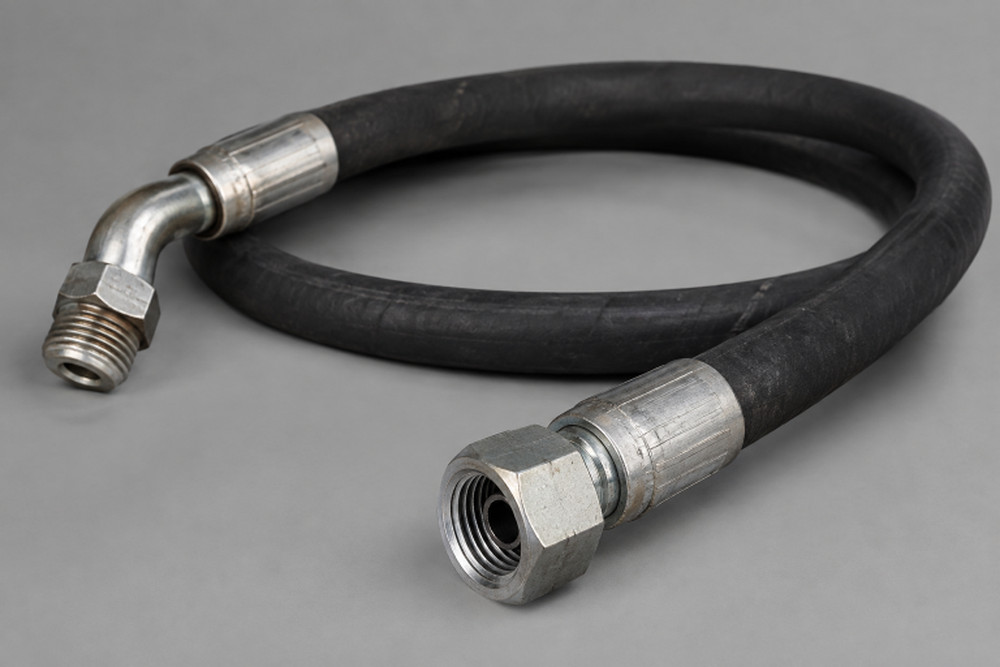
A hose failure can halt work, release hot or slippery fluid, damage components, or pose injection hazards. Detecting early wear isn’t just about replacing rubber but understanding why wear occurs to prevent damage to the new assembly. Tennessee equipment faces humid summers, cold snaps, muddy sites, dust, temperature changes, and frequent movement, making abrasion, contamination, weather exposure, vibration, and support issues critical during service. A hydraulic hose assembly includes parts such as the inner tube for fluid flow, reinforcement for pressure, an outer cover for environmental resistance, and end fittings for connection. Damage to any part can compromise the entire assembly.
Maintenance teams working near the Tennessee-Kentucky border may also need to compare compatible fittings, adapters, and other hydraulic products when reviewing an equipment repair. The key is to match each component to the application rather than selecting a part solely by appearance or hose diameter.
Seven Warning Signs of Hydraulic Hose Trouble
- Visible fluid leaks: Wetness around a hose, fitting, or connection can indicate a damaged cover, a loose connection, a seal issue, or a failing assembly.
- Cracks or a hardened cover: Aging, heat, sunlight, chemicals, and environmental exposure can make a hose cover less flexible and more likely to crack.
- Abrasion marks: Shiny, flattened, scuffed, or rubbed areas often mean the hose is contacting a bracket, frame member, clamp, another hose, or a moving component.
- Kinks and sharp bends: A hose that bends too tightly may restrict flow and can damage its internal reinforcement.
- Blisters or bubbles: Raised areas on the hose cover may indicate internal damage and should prompt removal of the assembly from service.
- Exposed reinforcement: Any visible wire or reinforcement means the protective cover has been compromised, and the hose should not remain in operation.
- Damaged or shifting fittings: Bent, corroded, cracked, loose, or misaligned fittings require attention before the equipment is returned to use.
How to Inspect a Hydraulic Hose Safely
Never search for a pressurized leak with bare hands. The risk of high-pressure fluid injection injuries exists even when a leak appears small, and such injuries require urgent medical evaluation. Operators should follow the machine manufacturer’s shutdown procedure and keep unauthorized people away from the work area.
Suggested Inspection Steps
- Park the machine on stable ground and secure it against movement.
- Shut down the power source according to the equipment manual.
- Lower raised attachments where possible and use approved mechanical supports when needed.
- Relieve hydraulic pressure using the manufacturer’s recommended procedure.
- Inspect hoses, fittings, clamps, guards, and nearby contact points without placing hands near suspected leaks.
- Use cardboard or another approved detection method rather than skin to locate a possible leak.
- Tag damaged assemblies and report the condition before operating the machine again.
Why Routing Problems Cause Repeat Failures
A properly rated hose can still fail early if it is routed incorrectly. A hose may be stretched when a loader is raised, crushed by a guard, twisted during installation, or forced to rub against the boom of an excavator during every work cycle. Replacing the hose without correcting that contact point may simply restart the failure cycle.
- Keep hoses away from sharp edges, pinch points, and moving parts.
- Allow adequate length for normal travel, articulation, and vibration.
- Avoid tight bends, especially close to fittings.
- Use appropriate clamps and supports without crushing the hose.
- Separate hose runs that rub against each other.
- Use suitable protective sleeves or guards where abrasion cannot be eliminated.
For example, a hose on a compact excavator may appear acceptable during a stationary inspection, but contact the boom or frame only at a particular point in its movement. Watching the machine through its normal range of motion from a safe position can help reveal hidden wear locations.
Choosing the Right Replacement Hose
Replacement decisions should be based on the entire application, not just the outside diameter of the old hose. The assembly needs to meet the equipment manufacturer’s requirements and work with the system’s actual operating conditions.
- Working pressure, including expected pressure spikes
- Hydraulic fluid compatibility
- Operating and ambient temperatures
- Required inside diameter and flow needs
- Minimum bend radius
- Overall length and movement allowance
- Fitting style, thread, sealing method, and connection angle
- Cover resistance to abrasion, weather, oil, and chemical exposure
A higher pressure rating alone does not make a hose an appropriate substitute. The full assembly, including fittings and installation method, must match the machine and the work it performs. OSHA notes that hose assemblies should be checked for proper selection, installation, and maintenance in its guidance on preventive maintenance of hydraulic systems.
A Practical Inspection and Recordkeeping Plan
A layered inspection schedule helps operators catch obvious problems while giving maintenance personnel time to investigate developing wear. Before each shift, look for leaks, cover damage, loose fittings, missing guards, and unsafe routing. During scheduled service, inspect clamps, bend areas, protective sleeves, and locations where hoses pass near heat, vibration, or moving structures.
After a burst or leak, record the machine identification, hose location, date, observed condition, photographs, corrective action, replacement date, and likely cause. Repeated failures in the same area often indicate a system issue, such as rubbing, excessive movement, heat exposure, vibration, pressure issues, or inadequate support.
Common Questions About Hydraulic Hose Safety
Can a small hydraulic leak be ignored?
No. A small leak can worsen under pressure and may create slip, fire, environmental, or injection hazards. Shut down and inspect the equipment using the correct pressure-release procedure.
How often should hydraulic hoses be inspected?
Routine visual checks before use are a sensible baseline. Equipment operating for long hours, in harsh environments, or in safety-critical applications may require more frequent inspection under its maintenance plan.
Can a damaged hose be patched?
A damaged hose assembly should be evaluated by a qualified person. Makeshift repairs may not withstand system pressure, movement, heat, or vibration.
Conclusion
Hydraulic hose safety in Tennessee depends on repeatable habits: inspect before use, control pressure before maintenance, correct routing problems, select compatible replacement assemblies, and document recurring damage. A careful inspection program helps teams address the conditions that lead to a hose failure rather than repeatedly replacing the same vulnerable component.