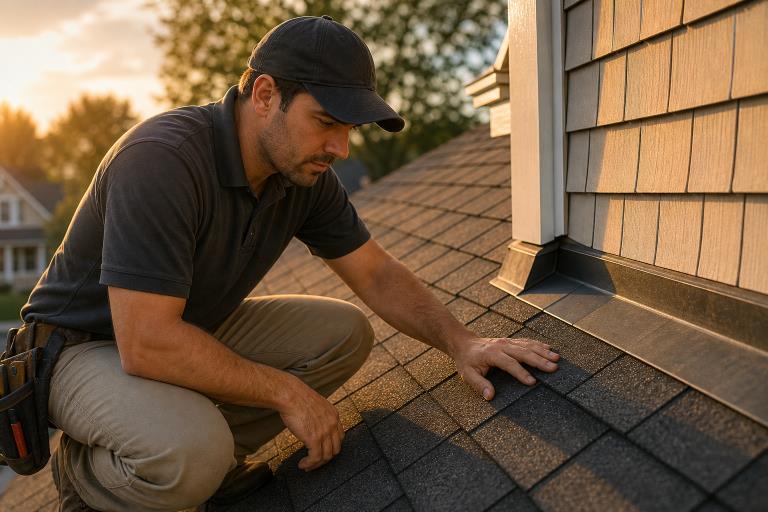
A roof checkup helps homeowners spot moisture, drainage, and material problems before they spread into ceilings, insulation, or framing. Understanding the basics of roofing can make it easier to recognize warning signs, plan maintenance, and make decisions based on the home’s actual condition.
A roof does more than shed rain. It helps defend the house against wind, heat, pests, and moisture. Because many weak points are hidden around flashing, roof valleys, attic spaces, and penetrations, routine checks are useful even when the roof looks normal from the driveway.
Why Roof Checkups Matter
Small openings can allow water to travel far from the original entry point. The first visible clue may be a ceiling stain, peeling paint, damp insulation, or a musty smell in the attic. Checking the roof seasonally helps identify manageable repairs before they become urgent interior work.
A checkup does not automatically mean a new roof. In many cases, the right response is to clear debris, correct drainage, reseal flashing, or replace a limited number of damaged shingles. The goal is to understand what is happening, how quickly it needs attention, and whether the issue is isolated or widespread.
Common Signs of Roof Trouble
Avoid climbing onto a steep, wet, or visibly damaged roof. A careful ground-level review can reveal problems, while an experienced inspection can assess areas that cannot safely be seen from below.
Exterior Warning Signs
- Missing, cracked, lifted, curled, or broken shingles.
- Loose flashing near chimneys, vents, skylights, or wall intersections.
- Dark patches, bare shingle areas, or excessive granules in gutters.
- Sagging roof lines, dips in the deck, or persistent moss growth.
- Damaged gutters, downspouts, siding, or fallen branches after a storm.
Interior Warning Signs
- Brown or yellow stains on ceilings and upper walls.
- Bubbling drywall, peeling paint, or unexpected indoor humidity.
- Wet insulation, visible daylight in the attic, or a musty odor.
- Drips that occur only during wind-driven or heavy rain.
Should You Repair or Replace the Roof?
The choice between a repair and roof replacement depends on the material’s age, the location and pattern of damage, earlier repairs, and the condition of the decking beneath the covering.
When Repair May Make Sense
- Damage is limited to one small section.
- A few shingles, flashing pieces, or vent seals are the main concern.
- The rest of the roof remains in fair condition with no major sagging or moisture damage.
- Previous repairs have been occasional rather than repetitive.
When Replacement May Make Sense
- Problems appear across multiple roof sections.
- Leaks return after repairs, or shingles are brittle and worn in many areas.
- The roof is near the end of its expected service life.
- Decking, underlayment, or framing has substantial moisture damage.
In simple terms, repairs are usually best for isolated damage and can extend the roof’s usable life. Replacement requires more planning, but it resets the service-life timeline and may reduce the cycle of repeated repairs when problems are widespread.
What to Do After Severe Weather
Storm damage is not always obvious. Wind can lift shingle edges, hail can bruise roofing materials, and driven rain can enter through small gaps around flashing. After the weather clears, take photos from the ground and note any new interior stains, debris, or changes in drainage.
- Stay away from sagging ceilings, downed wires, and unstable areas.
- Place containers under active leaks and move belongings out of the affected area.
- Document visible conditions before permanent repairs are made.
- Review insurance coverage and any applicable claim deadlines.
- Arrange an inspection when conditions are safe.
After a storm, be cautious about high-pressure offers. The Federal Trade Commission explains that scams after weather emergencies often involve demands for large upfront payments, vague promises, or requests to sign quickly.
A Simple Roof Maintenance Plan
Spring and Summer
- Check for winter damage, loose materials, blocked valleys, and gutter buildup.
- Trim branches that touch the roof or hang directly above it.
- Look for curling, fading, or exposed shingle areas during dry weather.
- Check the attic for unusual heat, moisture, or insulation problems.
Fall and Winter
- Clear gutters and downspouts before leaf buildup redirects water.
- Inspect seals around vents, chimneys, and skylights.
- Secure loose outdoor items before severe weather.
- Watch for leaks during long rain periods, but avoid icy ladders and roof surfaces.
Attic conditions matter because poor airflow and moisture can harm insulation and wood. The Department of Energy notes that attic insulation, along with air sealing, can improve comfort and reduce energy waste.
What Happens During a Roof Inspection?
A thorough inspection typically reviews the roof’s age, materials, repair history, roof lines, shingles, gutters, flashing, valleys, vents, and visible exterior damage. It should also include an attic review for moisture, daylight, poor airflow, and damaged decking. Photos and written notes can help separate urgent repairs from items to monitor.
Roof Cost Factors to Watch
Roof estimates vary widely because no two homes have the same access, roof design, damage, or material needs. Important cost factors include roof size and pitch, material type, removal of old layers, decking condition, flashing and ventilation work, permits, disposal, labor, weather delays, and emergency scheduling. Compare the scope of work, not just the bottom-line number.
Questions to Ask Before Hiring Help
- Are you licensed and insured for this work?
- Will the estimate identify materials, installation steps, and cleanup?
- Who handles permits, inspections, and approval of unexpected repairs?
- How will damage from hidden decking be documented and priced?
- What workmanship warranty and payment schedule apply?
Be wary of vague estimates, unusually large upfront payments, verbal-only promises, or pressure to sign immediately. A written agreement should make the project scope, materials, timing, payment terms, and change process clear.
Common Roof Questions
How often should a roof be checked?
Perform a visual check each season and after severe weather. Arrange a closer inspection when the roof is older or when warning signs appear.
Can a small leak wait?
Small leaks can spread through insulation, drywall, wood, and electrical areas. Prompt attention is safer than waiting until major indoor damage occurs.
Does moss mean the roof must be replaced?
Not necessarily. Moss can indicate retained moisture, but the roof’s underlying material condition and the extent of growth determine the appropriate next step.
Is a roof inspection the same as a home inspection?
No. A home inspection is broad, while a roof inspection focuses more closely on materials, drainage, flashing, ventilation, and moisture-related damage.
Final Thoughts
Planned roof care is usually more manageable than emergency repairs. Seasonal checks, prompt storm documentation, clear estimates, and evidence-based repair decisions can help protect the home while keeping long-term costs more predictable.