Effective moisture management is a foundational element in achieving long-term building performance and occupant safety. As construction practices have evolved, the importance of proactively addressing moisture intrusion has become paramount. Utilizing sophisticated solutions, such as a drainage mat, can greatly reduce the risk of trapped moisture, mold growth, and related building damage while contributing to the durability of wall assemblies and overall indoor air quality. Moisture issues are increasingly linked to health complaints, insurance claims, and premature failures of building components. According to the Environmental Protection Agency (EPA), unchecked moisture can compromise a building’s structural integrity and create conditions for mold spores to thrive. As awareness of indoor environmental quality grows, so does the need to integrate efficient moisture-management systems from the design stage. With codes and standards now emphasizing moisture resistance, selecting high-performance systems is not just a regulatory demand but a smart business decision for builders and property owners. Early interventions combining robust product choices and design foresight can mean the difference between a resilient, healthy structure and one compromised by avoidable maintenance issues. Making informed decisions about materials, installation techniques, and evolving innovations can result in significant long-term savings and improved indoor wellness. As such, stakeholders should prioritize strategy, maintenance, and education in moisture control throughout the construction lifecycle.
Importance of Moisture Management
Moisture intrusion is one of the most formidable threats to building longevity. Excess moisture can accumulate within wall assemblies and foundation structures, leading to mold, rot, and costly structural repairs. Issues such as staining, peeling paint, warped materials, and interior condensation are telltale warnings of underlying water infiltration. Beyond structural damages, mold spores present health hazards that can affect the respiratory health of building occupants, requiring significant remediation and often resulting in insurance disputes. Ensuring rigorous moisture control is crucial to preserving the property’s value and safeguarding its inhabitants.
Innovative Moisture Control Products
In response to these challenges, the building products market has seen a surge in advanced moisture-management offerings. Notably:
- ArmorDry™ Exterior Drainage Mat: Developed by DuPont, this technology provides a ventilated airspace behind lath-based claddings, encouraging drainage and air circulation. This system substantially mitigates water retention and decreases the risks of mold growth and facade decay.
- Lilypad™ Humidity-Regulating Paint: Adept Materials offers a solution with paint that absorbs and releases water vapor, passively helping to balance interior humidity without requiring external power.
- PERMINATOR® 20 Mil Vapor Barrier: A high-performance below-slab barrier from W. R. MEADOWS, designed to reduce vapor transmission through concrete, thereby enhancing the building’s foundational moisture resistance.
Integrating Moisture Management in Design
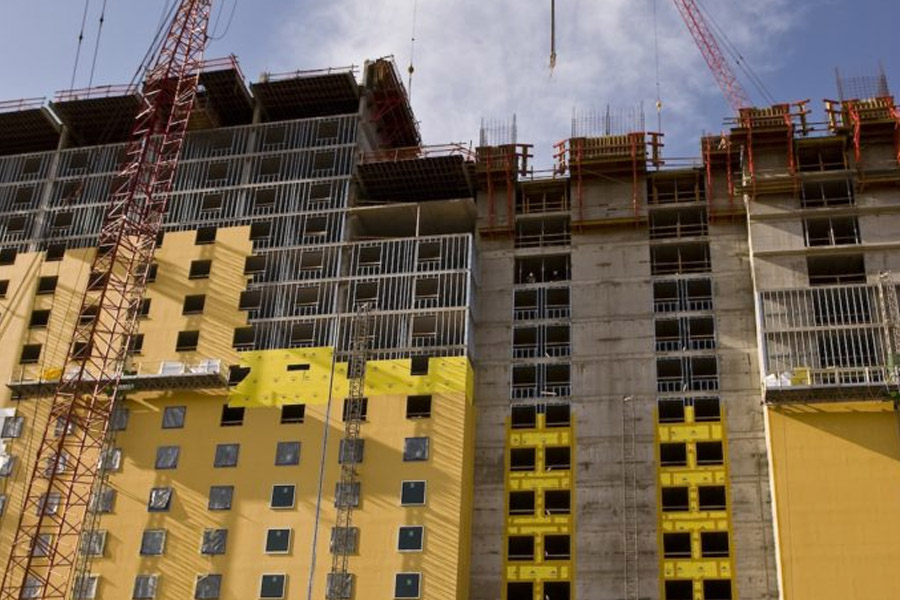
Moisture protection is most effective when it starts during the project’s conceptual phase. Modern architectural best practices focus on creating continuous exterior-insulated assemblies that prevent water vapor from cooling and condensing within walls. This approach restricts vapor from reaching the dew point within cavities, nearly eradicating the conditions required for mold proliferation. Architect Javier de la Garza has outlined how such proactive, layered defenses enhance resilience, future-proofing buildings against shifting weather patterns and humidity trends.
Case Studies of Effective Moisture Management
Successful deployments of advanced moisture management systems provide valuable templates for the industry. For instance:
- SmartCapture™ Stormwater Storage System: By combining Oldcastle Infrastructure’s and Opti’s expertise, this system automatically responds to rainfall intensity by adjusting stormwater storage, actively preventing both surface and structural water damage.
- HydroBlok’s HB One Backer CI: This four-in-one wall panel integrates moisture, thermal, and air barriers into a streamlined exterior solution, simplifying installation and ensuring comprehensive envelope protection.
Best Practices for Moisture Control
Routine implementation of proven moisture control strategies can prevent systemic failures:
- Utilize Engineered Materials: From vapor barriers to drainage mats, materials selected should be rated for performance under specific site conditions and assembled to promote drainage and drying.
- Adhere to Proper Installation Protocols: Compliance with manufacturer installation guidelines is non-negotiable to ensure warranties and system performance.
- Prioritize Ventilation: Designs should support effective airflow, especially in roof spaces and mechanical rooms, to minimize condensation risks.
- Schedule Regular Inspections: Early identification—through scheduled maintenance—of any leaks, ponding, or deterioration prevents small issues from escalating into major repairs.
Future Trends in Moisture Management
The industry is on the cusp of a revolution powered by data and advanced materials. Future-ready systems include:
- Desiccant-Based Humidity Control: Innovations from companies like Transaera are elevating passive and active systems, using desiccant materials to pull moisture from the air while optimizing energy use.
- Smart, Self-Regulating Building Envelopes: Breakthrough products such as Lilypad™ paint blur the boundaries between tradition and technology, transforming walls from static to interactive humidity regulators.
Conclusion
As the construction sector embraces advanced moisture management practices, the benefits are clear: reduced risk of costly repairs, protection of building occupants, and maximized return on investment. Developing a strategy that combines leading products, thoughtful design, and ongoing education ensures not just compliance but true future-proofing for every structure.