The commercial construction industry is embracing a new era centered around environmental sustainability, driven by the need to address climate change and improve energy efficiency. Companies are seeking innovative methods and materials to reduce carbon footprints and deliver greater value to clients. As these priorities reshape the industry, collaboration with forward-thinking contractors such as Tutor Perini is increasingly important for project owners aiming for measurable sustainability outcomes.
From cutting-edge materials to state-of-the-art construction techniques, new trends are enabling commercial buildings to meet and exceed evolving environmental standards. These practices offer benefits far beyond basic compliance, extending to reduced long-term operational costs and healthier work environments for occupants.
Low-Carbon Materials
Innovative construction materials are at the forefront of sustainable building practices. Traditional choices like concrete and steel, commonly associated with high emissions, are being reimagined. Cross-laminated timber (CLT) is now employed in many projects thanks to its impressive strength and significantly lower carbon footprint. As architects and contractors look to minimize embedded emissions, the use of recycled steel and green concrete continues to grow, helping divert waste from landfills and reduce reliance on virgin resources.
Modular Construction
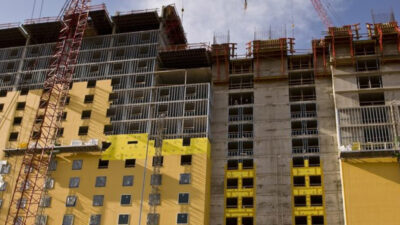
Modular construction is quickly gaining ground as an efficient and eco-friendly alternative to conventional building. By producing modular components in controlled factory environments, this approach tightly manages material use and dramatically reduces on-site waste. Enhanced efficiencies are achieved using robotics and automation, supporting both sustainability goals and improved worker safety. Modular design not only shortens project timelines but also supports consistently higher levels of quality control.
Digital Tools and Technologies
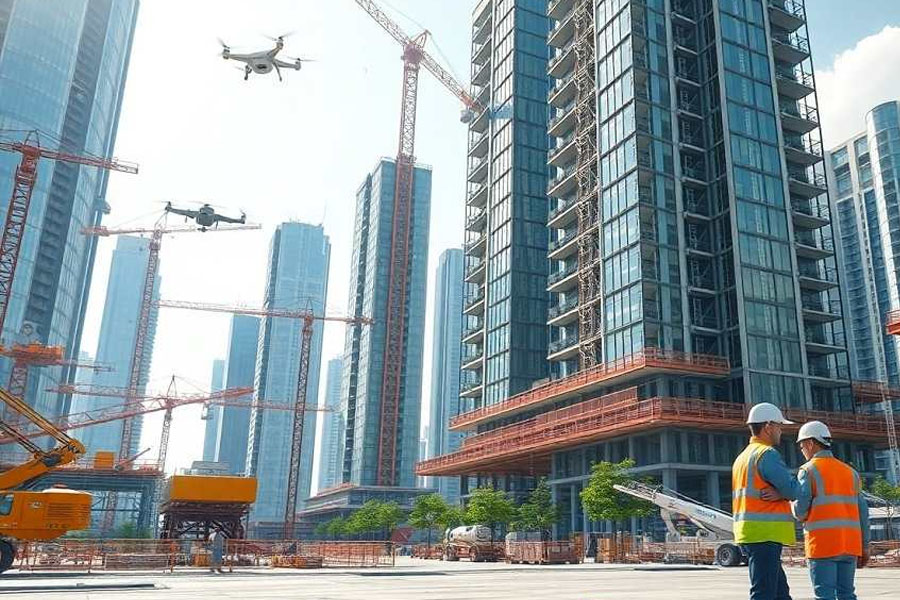
Digital transformation is reshaping how buildings are designed, constructed, and maintained. Tools such as Building Information Modeling (BIM), digital twins, and advanced analytics are now commonplace. These technologies facilitate detailed project visualization, allowing teams to optimize resource allocation and minimize energy consumption throughout a building’s lifecycle. For example, AI-driven simulations predict building performance, helping ensure everything from energy systems to materials selections supports sustainability targets.
Green Certifications and Standards
Achieving respected green certifications has become a cornerstone of sustainable construction. Programs such as LEED (Leadership in Energy and Environmental Design) provide rigorous frameworks for enhancing energy efficiency, water conservation, and occupant health. Recent data highlights that, in 2025 alone, nearly 392 office projects earned LEED certification, setting a new benchmark in responsible commercial building. These certifications not only signify a commitment to sustainability but also yield tangible benefits, including operational savings and enhanced marketability.
Energy-Efficient Designs
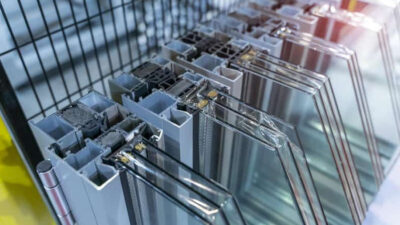
Modern buildings strive to minimize operational carbon emissions through advanced design features. High-performance façades, double-skin shells, and natural daylighting combine with intelligent HVAC systems to cut energy use. Touchless controls and advanced air filtration systems improve both efficiency and occupant well-being. A leading example is S&P Global’s Manhattan headquarters, which utilizes a double-skin façade system. This feature reduces energy usage by about 40% compared to comparable traditional office buildings, setting a new benchmark for energy-smart design.
Circular Economy Principles
The adoption of circular economy principles is transforming long-term thinking in construction. Rather than following a linear “take, make, dispose” model, industry leaders are designing for durability, flexibility, and eventual deconstruction. This approach enables easier material recovery and reuse at the end of a building’s life. Prefabricated assemblies and demountable systems highlight the potential for adaptability, enabling buildings to be renovated or repurposed without major waste or resource expenditure.
Policy and Incentives
Supportive policies and incentive programs are accelerants for sustainable innovation. Government initiatives such as the Buy Clean program and federal sustainable building mandates push the industry to prioritize low-carbon materials and efficiency-first designs. These policies offer financial advantages, reduce permitting hurdles, and help align industry practices with national and global climate goals. As regulations continue to tighten, proactive compliance not only avoids penalties but also unlocks new business opportunities.
Future Outlook
The trajectory of sustainable commercial building is only expected to accelerate. Net-zero communities and regenerative design concepts will push the boundaries of what a building can contribute to its environment. The seamless integration of renewable energy systems, smart technologies, and flexible building operations will further define the landscape. As these trends mature, collaboration among developers, designers, and builders will remain essential to driving positive and lasting change.
In summary, the commercial building sector is charting a course toward greater sustainability through bold innovations and a willingness to rethink traditional practices. The integration of low-carbon materials, modular construction, digital tools, and rigorous certifications is resulting in built environments that are more efficient, adaptable, and environmentally responsible than ever before.