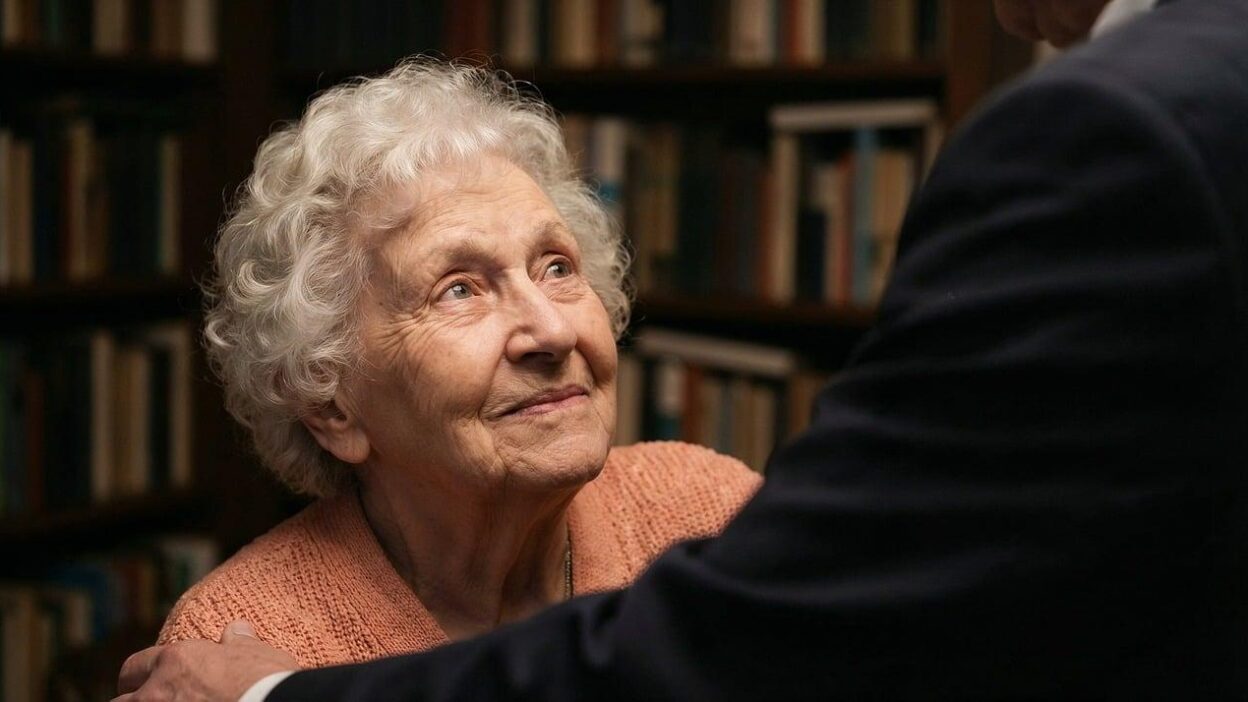
It does not matter whether you are helping an aging parent, a spouse, or even a relative; caring for a loved one is one of the most meaningful things you can do. Caregiving actually comes from a place of commitment and love. Now, the focus is usually on the person who is receiving the care; however, as a caregiver, you can also face potential challenges that can take an emotional toll on you.
Read on to learn more!
Experiencing Constant Worry & Stress
One of the most common challenges that caregivers face is constant worry. You may find yourself in a position where you are constantly thinking about the health of your loved one. You may find yourself constantly worrying about the safety, medications, potential needs, and appointments of your loved one.
Many caregivers struggle with balancing their caregiving duties alongside family responsibilities and personal commitments.
Seeking support can make a big difference. Communities such as The Forum at Park Lane actually offer services that can ease caregiving responsibilities and offer peace of mind.
Feeling a Sense of Isolation
The caregiving journey can be lonely. With the increasing responsibilities, it can become harder to make time for hobbies, social activities, and friends. You may find yourself declining invitations and spending less time with people you enjoy because you start prioritizing your caregiving duties.
With time, this kind of isolation can leave you feeling disconnected from the outside world.
Feeling Emotionally Exhausted
Caregiving requires energy, compassion, and patience every single day. Helping someone can be a rewarding experience. However, watching your loved one struggle with their health can induce certain feelings, including grief and a sense of sadness. Resultantly, emotional exhaustion can build gradually, which can make it difficult to stay positive or motivated,
Make sure to take breaks so you can recharge, which is crucial for your well-being.
Experiencing Guilt & Self-Doubt
Many caregivers place high expectations on themselves. That said, you might wonder if you are actually doing enough and making the right decisions for your loved one. Now, you might be giving your best effort; however, the feelings of guilt can still appear. Some caregivers actually feel guilty when they take personal time or consider additional care options.
You must keep in mind that caregiving is a shared journey. It is perfectly alright to seek support.
Going Through a Burnout
When the caregiver’s responsibilities continue for months, even years, burnout can actually become a genuine concern. That said, you should know that burnout typically happens when mental, physical, and emotional demands become too much to handle without enough support. That said, some potential signs of burnout include fatigue, lack of motivation, and feeling emotionally numb. It is essential to recognize burnout early so you can take the much-needed attention to prevent serious emotional challenges.
Conclusion
Without a doubt, caregiving is an act of love. However, we cannot deny the fact that it can come with potential emotional challenges, including burnout, isolation, and constant stress. The good news is that you do not have to deal with everything alone. The first step is acknowledging your emotions. Seek support to stay healthy so you can keep caring for your loved one.