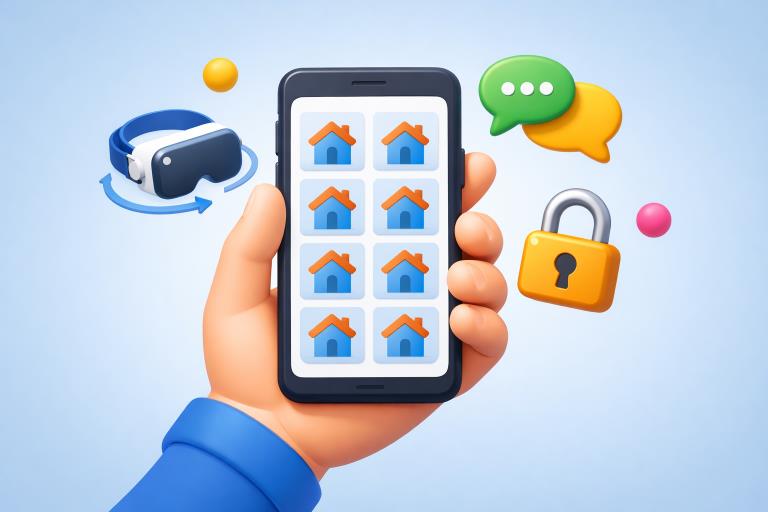
In today’s fast-paced digital landscape, the process of searching for and purchasing a home has undergone a dramatic transformation. Mobile platforms now put a vast array of property listings, market data, and interactive tools at the fingertips of homebuyers and sellers alike. With the rising demand for intuitive real estate app design, these apps have blended the immediacy of technology with the traditionally complex journey of real estate transactions, offering fresh opportunities and creating new challenges for users.
Modern real estate apps take much of the guesswork and legwork out of the house hunt. Nearly anyone with a smartphone can now explore hundreds of homes, schedule virtual tours, and even manage offers, all from their couch. This innovation not only gives buyers more control and transparency but also allows sellers to reach a broader audience in record time.
- Real estate apps provide comprehensive, up-to-date listings and immersive virtual tours, transforming the way buyers explore the market.
- Artificial intelligence is increasingly integrated, creating smarter and more customized search experiences for users.
- Despite technological advances, users should remain aware of privacy and security considerations, as well as the importance of human connections in successful transactions.
The efficiency and accessibility of these platforms have set a new standard for the industry. The ability to filter searches by budget, neighborhood, condition, and even school districts has empowered buyers to hone their preferences before ever contacting an agent. As consumers rely more heavily on these digital tools, there are also concerns about privacy, trust, and the changing nature of real estate relationships.
The Rise of Real Estate Apps
Over the past decade, the rise of mobile apps in real estate has dramatically shifted the buying and selling experience. Industry leaders like Zillow, Redfin, and Realtor.com have developed solutions that not only centralize listings from across the country but also offer real-time notifications for new properties, open houses, and price drops. The New York Times highlights how the breadth of listings and the introduction of tools such as mortgage calculators and market analytics have become indispensable resources for buyers looking to make informed decisions without delay.
These apps streamline the initial phases of the home search, allowing users to browse at their convenience. Comprehensive filters let buyers refine their options on the go, saving time and narrowing down possibilities before connecting with professionals or attending open houses in person. Constant product innovation and user experience improvements have set the stage for even more advanced integrations in recent years.
Artificial Intelligence Enhancing User Experience
The application of artificial intelligence in real estate platforms has taken personalization to new heights. Instead of a one-size-fits-all search experience, AI-driven recommendations are now based on user behavior, budget, lifestyle preferences, and even anticipated needs. As outlined by Realtor.com’s evolving approach, AI tools help users answer essential pre-search questions like affordability, school ratings, and neighborhood dynamics. Personalized suggestions save users time, improve listing accuracy, and can help reduce the sense of overwhelm in a sometimes chaotic market.
AI is not just streamlining the search process. These tools improve communication between buyers, sellers, and agents, enable smarter deal negotiations, and even automate aspects of transaction management, leading to quicker sales cycles.
Virtual Tours and Augmented Reality
One of the most striking advancements in real estate technology is the integration of virtual tours and augmented reality tools. These interactive features allow potential buyers to experience properties from every angle—walking through hallways, viewing rooms in three dimensions, and even visualizing renovations before committing to viewings in person. Many major portals, including Redfin, now offer 3D walkthroughs and augmented staging options, making it easier to assess fit and feel with minimal disruption to daily routines. Forbes delves into how AR/VR is revolutionizing the buying process and empowering decision-making.
Streamlining Transactions
Beyond simply discovering properties, leading real estate apps are stepping into the transaction management arena. Users can leverage tools like e-signatures for contracts, embedded mortgage calculators, offer tracking, and direct agent chat functions, all within a single platform. This not only reduces delays and paperwork but also makes the entire process more transparent and manageable for new or inexperienced buyers and sellers.
Data Privacy and Security Concerns
As users enter sensitive information, like financial details and private contact data, during their real estate journey, protecting user privacy remains a top concern. Understanding app policies, using secure login methods, and staying up to date with best practices are crucial steps for anyone engaging in digital real estate transactions. Prospective buyers should research which platforms prioritize user protection and stay alert to signs of potential breaches or scams.
The Human Element in Digital Transactions
Despite the conveniences and advancements these tools have brought, the traditional human element still plays a vital role. Home buying is often one of the largest and most emotional investments people make, and the guidance of skilled agents, personal negotiations, and face-to-face relationship building can never be fully replaced by algorithms. Balancing the efficiency of digital tools with the insights and trust built through personal interactions ensures the best experience and outcome for buyers and sellers alike.
Conclusion
Real estate apps have dramatically reshaped the home buying process, providing unprecedented access, convenience, and personalization. As technological innovation continues, the need for awareness around data security and the value of human relationships remains central. A balanced approach helps ensure that technology supports, rather than overshadows, the complex and meaningful journey to owning a home.