Key Takeaways
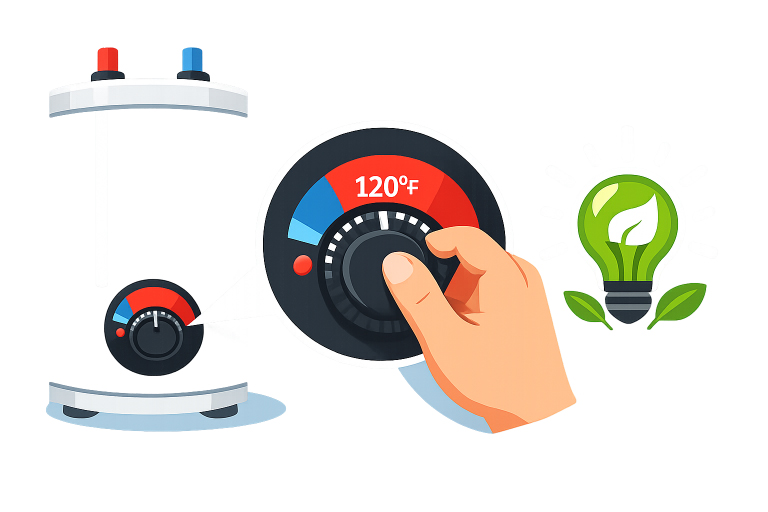
- Lowering the thermostat to 120°F saves energy and enhances safety.
- Installing low-flow fixtures reduces hot-water use without sacrificing pressure.
- Routine maintenance and timely system upgrades prolong water heater life and maximize efficiency.
Ensuring your water heater runs efficiently is vital for any modern home. Small changes can lead to substantial energy savings, but more importantly, they can also decrease wear on your system and extend its lifespan. By being proactive with your water heater’s maintenance and setup, you can enjoy reliable hot water while keeping utility costs under control. For anyone thinking about professional help, contacting a reputable water heater installation company in Salt Lake City UT can make these upgrades straightforward and effective.
Homeowners have several effective strategies to enhance their water heater’s performance and conserve resources. These measures, from simple adjustments to more advanced technology, all play a part in improving home efficiency and comfort.
Adjusting Thermostat Settings
Manufacturers typically set water heaters to 140°F, a temperature higher than most households need. By lowering the thermostat to 120°F, you maintain comfortable hot water for showers and household tasks while significantly reducing energy consumption. This adjustment not only trims your monthly bills but also reduces the chances of accidental scalding.
For families with young children or elderly members, this temperature reduction adds an extra layer of safety, minimizing the risk of burns and injuries. It’s worth checking your water heater manual to ensure the adjustment is performed according to the manufacturer’s specifications, as some systems have special considerations. Making this modification requires little effort but yields visible results almost immediately on your next utility statement.
Installing Low-Flow Fixtures
Replacing traditional showerheads and faucets with low-flow alternatives is a practical and affordable way to reduce hot water use. These fixtures are engineered to maintain water pressure, so you will not notice a decrease in water performance. Households that make this switch report measurable savings each month, making it a popular efficiency upgrade.
Beyond reducing hot water use, low-flow fixtures also help decrease overall household water consumption, which is particularly beneficial in regions facing water shortages or high utility rates. Advancements in fixture technology have resulted in models that provide a satisfying shower or washing experience while remaining highly effective at conservation. Be sure to choose products certified by bodies like WaterSense for assurance of performance and efficiency.
Insulating Pipes and Tanks
When hot water travels from your tank to your tap, some heat is inevitably lost, especially if the pipes run through unheated areas. Insulating both the tank and the hot water pipes helps minimize heat loss, so your heater works less to keep the water at the ideal temperature. Pipe insulation is affordable and quick to install, delivering long-term energy savings. The U.S. Department of Energy recommends this step for nearly all homes and offers practical guidance on water heating.
Options for insulation include foam sleeves, fiberglass wraps, and specialized tank blankets. When installed correctly, these products reduce standby heat loss by up to 45%, according to government sources. This step is often overlooked, yet it is one of the most cost-effective ways to improve household energy efficiency, especially in older homes with uninsulated plumbing.
Regular Maintenance
To keep water heaters operating at peak efficiency, annual or semiannual maintenance should not be skipped. Tasks like checking for sediment buildup, flushing the tank, and inspecting the pressure relief valve extend your water heater’s life and help identify small issues before they become costly repairs. Flushing the tank of sediment annually increases energy efficiency and reliability.
It’s also important to inspect the anode rods components that attract corrosive particles and protect the tank. Replacing a worn anode rod on schedule can significantly extend a heater’s life. Homeowners can schedule maintenance with a trusted plumber or perform basic checks themselves, following guidance from manufacturer manuals or professional resources.
Upgrading to Energy-Efficient Models
If your water heater is more than ten years old, its efficiency has probably declined. Today’s models, especially heat pump water heaters, outperform traditional units by using ambient air to heat water. This technology can make them two to four times more efficient than conventional electric heaters. The Department of Energy’s new standards are projected to save American consumers billions while also lowering carbon emissions.
When considering a replacement, look for the ENERGY STAR® label and examine efficiency ratings to select the best option for your home’s needs. Rebates, incentives, and tax credits may be available for high-efficiency upgrades, so consult local utility programs for opportunities to save even more on upfront costs. Professional installation is recommended to ensure optimal performance, safety, and system longevity.
Using Cold Water for Laundry
A significant portion of home hot water usage goes to washing clothes. Switching to cold water for laundry, made possible by modern detergents, will greatly reduce your heater’s workload and save energy. Clothes are still cleaned effectively, reducing both water and electricity bills.
Many washing machines today are equipped with cycles specifically designed for cold water, further supporting energy efficiency. Cold water washing also helps preserve fabrics and colors, making it a doubly wise choice. For best results, check detergent labels to confirm that cleaning agents are effective in cooler temperatures.
Fixing Leaks Promptly
Unchecked leaks, no matter how minor they may seem, result in wasted water and higher energy bills. Homeowners should regularly inspect all plumbing connections, from fixtures to the water heater’s valves. Sealing leaks quickly ensures your water heater operates at its best and prevents excess consumption or surprise repairs.
If you notice an inconsistent hot water supply, rising water bills, or visible pooling near your heater, it may indicate leaks that need immediate attention. Small leaks can quickly worsen, leading to water damage or mold, so regular checks, especially in basements and utility closets, are crucial. Professional plumbers can thoroughly inspect and repair leaks, ensuring your entire system runs efficiently.
Implementing Smart Water Heater Controls
Integrating smart thermostats or timers into your water heater system provides control over heating schedules and temperature settings. These devices allow you to program your water heater to run only when necessary or to reduce its activity during off-peak hours. The result is lowered daily energy consumption and increased savings over time.
Some smart controls integrate with home automation platforms, letting you monitor and adjust water heater performance remotely via your smartphone. This convenience is ideal for busy households or frequent travelers who want to manage energy use from anywhere. As technology advances, smart controllers are becoming more user-friendly, offering intuitive interfaces and detailed usage insights to enable further optimization.
Adopting these strategies improves your water heater’s efficiency and helps households cut down on monthly energy costs. Simple lifestyle changes, consistent maintenance, and investment in the latest technologies ensure comfort, reliability, and sustainability for years to come.
Ultimately, a comprehensive approach that combines behavior modification, basic upgrades, periodic professional assessments, and savvy technology adoption yields the best results. By integrating these best practices into your home routine, you can make a meaningful impact on your family’s comfort and your environmental footprint year-round. Always stay informed about emerging trends in water heating and maintenance to continually enhance home efficiency and reap the rewards of lower bills, fewer repairs, and reliable hot water for all your needs.