Key Takeaways
- Advancements in dental technology offer a wide selection of tooth replacement options.
- Learning about the pros and cons of each treatment is crucial for making informed dental decisions.
- Consulting with a professional helps ensure the best outcome for every individual situation.
Tooth loss can dramatically alter daily life, from simple routines like eating and speaking to the confidence that comes with a vibrant smile. Thanks to ongoing advances in dental technology, patients now have access to a range of modern solutions for replacing missing teeth. Among these options, dental implants have become a favored choice for many seeking reliable, long-term results. Understanding these innovations helps individuals make decisions that best align with their health and lifestyle.
Each tooth replacement technique has unique advantages and considerations. Advances such as computer-guided implants, digital impressions, and biocompatible materials are drastically improving outcomes and patient comfort. As the industry evolves, the possibilities for regaining function and aesthetics expand, making informed choices more essential than ever. Patients benefit not only from greater durability and improved appearance but also from shorter treatment times and minimally invasive procedures. Today’s cutting-edge solutions are designed to mimic the natural tooth structure, support oral health, and fit comfortably into individual lives. As new research continues to shape dentistry, exploring the latest options can ensure optimal results for a wide range of patient needs. Working with a skilled dentist is critical in evaluating factors such as oral health, lifestyle, and medical background to select the most effective replacement method. With so many innovative solutions now available, restoring your smile has never been more accessible or more tailored to your unique situation.
Dental Implants
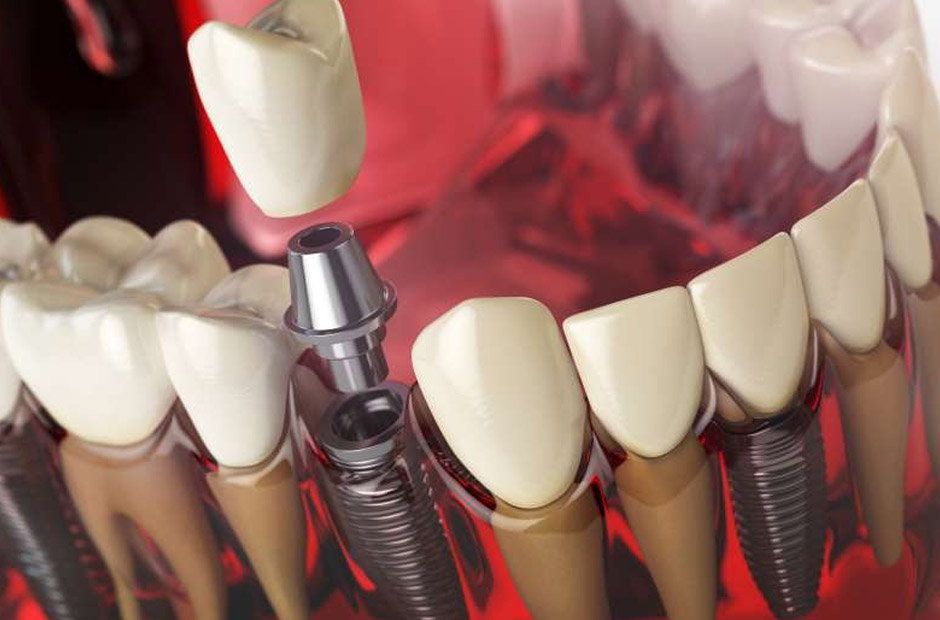
Dental implants are now one of the most reliable and effective ways to replace missing teeth. By placing a durable titanium post in the jawbone, dentists create a secure anchor for a custom-made crown that closely matches the color and shape of natural teeth. Implants offer exceptional stability and support for chewing, speaking, and maintaining bone health.
Zirconia Implants
Zirconia implants are a promising alternative to traditional metal posts, especially for patients with allergies or sensitivities to metals. Made from a tough ceramic material, zirconia implants are corrosion-resistant and blend naturally with surrounding teeth. These biocompatible implants are less likely to provoke immune responses, making them a top choice for aesthetic and holistic dentistry. Practices like Pure Dental Health have documented the growing demand for metal-free tooth replacement and the satisfaction it provides patients, with a focus on health and appearance.
3D-Printed Dentures
New digital workflows and 3D printing have revolutionized denture fabrication. This technology enables the rapid production of customized dentures, resulting in a better fit and a more natural appearance. Companies like 3D Systems have pioneered FDA-cleared materials and processes that reduce wait times and enhance comfort and durability. For patients who need full or partial dentures, 3D printing delivers fast and functional results with minimal adjustments.
Immediate Molar Implants
Molar teeth are essential for chewing, but replacing them can be complicated due to their size and the forces they endure. The Immediate Molar Implant System, introduced by ZimVie, allows implants to be placed immediately after extraction. This innovation means patients can avoid long gaps in their smile and enjoy faster healing and restoration. Immediate loading of molars is a game-changer for those seeking both function and convenience.
Lab-Grown Teeth
Regenerative dentistry is pushing boundaries with the exploration of lab-grown teeth. By leveraging stem cells and tissue engineering, scientists are working toward developing replacement teeth that integrate biologically with the mouth. This field, still in its research phase, holds enormous potential for the future. Resources such as Live Science report on experimental progress in this area, which aims to one day offer an alternative to artificial implants and fillings by growing real teeth for those in need.
Conservative Bridges
For patients who prefer a minimally invasive approach, conservative bridges offer a practical solution. One example is the freehand composite Maryland bridge, which is custom-designed and placed with minimal alteration to surrounding teeth. Patients can benefit from same-day aesthetic and functional improvements without the commitment required for implant surgery. Clinical reviews from the Oral Health Group highlight the effectiveness and versatility of these conservative bridges for single-tooth gaps.
Choosing the Right Solution
Selecting the optimal method for tooth replacement depends on a variety of factors: oral and general health, budget, desired aesthetics, and the speed at which the patient wants results. Some patients may benefit from multiple solutions or a combination approach, such as implants paired with bridges or dentures. Consulting a knowledgeable dental professional will help navigate these options, ensuring treatment plans are personalized and address both health and lifestyle concerns.
Conclusion
The field of tooth replacement is progressing rapidly, bringing state-of-the-art, life-enhancing solutions to more patients every year. Staying informed about these innovative options, from dental implants to lab-grown teeth, means anyone facing tooth loss can feel confident in restoring not just their smile, but their quality of life as well. Engaging with a dedicated dental provider will guide you to the right support, ensuring your oral health and confidence for years to come.