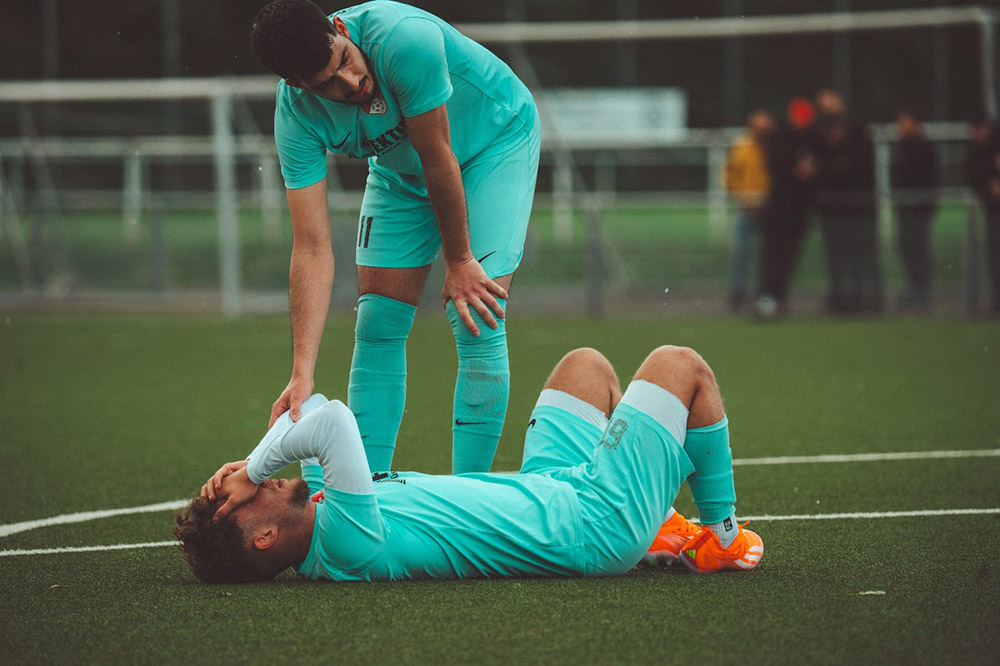
Staying active through sports, gym training, or recreational fitness can improve strength, mobility, and mental health. Many people in Tigard, Oregon, enjoy outdoor trails, community fitness programs, and year-round recreational activities that keep them moving throughout the week. However, regular activity also increases the risk of overuse injuries when people ignore early warning signs. A small ache in the knee, shoulder, or lower back may seem harmless after an intense workout, yet repeated strain can slowly damage muscles, ligaments, and joints.
Athletes often continue training because they do not want to interrupt progress or lose momentum. Unfortunately, delaying treatment may turn a manageable condition into a long recovery process. Learning how to recognize unusual pain, swelling, or restricted movement can help active adults protect their performance and avoid long-term complications.
Understanding the Difference Between Normal Soreness and Injury Pain
After a difficult workout, muscle soreness and fatigue are completely normal. Delayed Onset Muscle Soreness usually appears within one or two days after exercise and improves with stretching, hydration, and light movement. Injury pain feels different. It may be sharp, focused in one area, or worsen during activity instead of improving over time. Pain that continues during movement or rest may signal a more serious issue. Recognizing these warning signs early can help athletes prevent further injury and protect long-term mobility.
Many active individuals attempt to manage symptoms with short periods of rest, ice packs, or over-the-counter medication. While these methods may ease temporary soreness, they cannot properly address injuries involving tendons, ligaments, cartilage, or joint structures. When pain begins to interfere with movement, workouts, or daily activities, professional evaluation becomes increasingly important. If you are looking for an orthopedist in Tigard OR, there are many experienced professionals who can diagnose sports-related injuries, create personalized treatment plans, and help active individuals recover safely before minor concerns develop into chronic conditions.
Persistent Joint Swelling and Localized Inflammation
Swelling is one of the clearest signs that the body is responding to stress or injury. Some inflammation after intense exercise can be expected, but swelling that lasts for several days should not be ignored. Athletes commonly notice puffiness, stiffness, or warmth around the knees, ankles, shoulders, or elbows after repetitive activity. These symptoms may indicate tissue irritation or internal joint damage that requires medical attention.
Localized inflammation can also limit movement and make everyday activities uncomfortable. Some people continue training despite noticeable swelling because they assume the issue will improve naturally over time. Unfortunately, repeated strain on an inflamed joint may increase the risk of tendon tears, cartilage damage, or chronic instability.
Joint Instability, Catching, or Reduced Range of Motion
Healthy joints should move smoothly and support stable movement during exercise. When a joint suddenly feels weak, unstable, or difficult to control, the body may be signaling an underlying injury. Athletes sometimes experience clicking, locking, or catching sensations during movement, especially in the knees or shoulders. These symptoms can point to ligament strain, cartilage problems, or overuse-related joint stress.
Reduced flexibility and restricted motion also deserve attention because they often develop gradually. A person may notice difficulty squatting, rotating the shoulder, or fully extending the leg during workouts. Instead of stopping activity, many athletes unknowingly change their form to compensate for discomfort. This adjustment can place additional pressure on nearby muscles and joints, increasing the risk of further injury and prolonged recovery.
Numbness, Tingling, or Radiating Pain During Activity
Pain is not always limited to muscles or joints. Tingling, numbness, or burning sensations during exercise may signal nerve irritation or compression. These symptoms often appear in the neck, lower back, shoulders, or hips and can travel down the arms or legs during movement. Athletes who participate in repetitive activities may notice these sensations becoming more frequent over time.
Ignoring nerve-related discomfort can affect balance, coordination, and muscle strength. Some people continue exercising despite these warning signs because symptoms may come and go. However, untreated nerve irritation can eventually interfere with daily activities and athletic performance. Early medical evaluation can help identify the cause before the condition worsens.
The Hidden Risks of Compensating for Minor Pain
Many active individuals unconsciously change their movement patterns to avoid discomfort. A runner with knee pain may shift weight to the opposite leg, while a tennis player with shoulder soreness may alter their swing technique. These small adjustments can place extra stress on healthy muscles and joints. Over time, compensation patterns often create additional injuries.
Poor movement mechanics can also reduce athletic efficiency and increase fatigue. What begins as a minor issue may eventually affect posture, flexibility, and overall performance. Athletes who notice limping, uneven balance, or repeated strain in new areas should pay close attention to those changes. Correcting movement problems early supports safer training and faster recovery.
A Preventative Checklist for Safer Training and Recovery
Injury prevention begins with consistent training habits and proper recovery practices. Warm-ups, mobility exercises, and gradual increases in intensity help prepare the body for physical stress. Athletes should also focus on proper form during workouts to reduce unnecessary strain on muscles and joints. Supportive footwear and balanced strength training can further improve stability and performance.
Recovery is equally important for maintaining long-term joint and muscle health. Adequate sleep, hydration, and nutrition allow the body to repair damaged tissue more effectively after exercise. Rest days should remain part of every fitness routine, even for experienced athletes. Paying attention to recurring discomfort and addressing symptoms early can significantly reduce the risk of chronic injuries.
Protecting Long-Term Performance and Mobility
Early warning signs such as swelling, instability, numbness, and persistent pain should never be ignored. The body often signals problems before a serious injury develops, and recognizing those signals can help athletes avoid long recovery periods. Small symptoms may seem manageable at first, but untreated issues can gradually affect strength, movement, and overall physical performance.
Listening to the body and responding quickly to unusual discomfort supports both short-term recovery and long-term health. Active individuals who prioritize proper training, recovery, and professional evaluation when needed are more likely to maintain consistent performance over time. Taking action early helps protect mobility, reduce future injury risk, and support a healthier, more active lifestyle.