Most expensive home repairs begin with something small that seemed harmless initially. A faint stain near the ceiling gets ignored because life feels busy. A strange smell beneath the sink disappears temporarily so nobody investigates further. Then months later, walls are opened during renovations and hidden damage suddenly appears everywhere. That slow progression frustrates homeowners because major structural problems rarely arrive with dramatic warning signs.
In places like Bradenton, Florida, where humidity remains constant and storms can appear unexpectedly, homes absorb environmental stress almost daily. Moisture settles quietly into weak areas while heat expands materials repeatedly throughout the year. Many homeowners carry should-have-fixed-that-earlier thoughts after minor problems eventually become expensive repairs. Ironically, people often spend more time choosing furniture colors than inspecting the systems protecting the entire property.
Home maintenance is frequently misunderstood as emergency repair work. In reality, the most effective habits involve small actions repeated consistently before visible damage appears. A house responds to attention the same way a car does. Neglected systems eventually fail even when everything appears functional externally.
Why do some homes remain structurally strong for decades while others seem trapped in endless repair cycles?
The Little Things Usually Matter Most
Long-term home damage is often connected to overlooked routines rather than sudden disasters. Water intrusion, weak ventilation and neglected exterior systems create gradual deterioration that spreads quietly through walls, flooring and foundations. Small inspections completed regularly can reveal problems before repairs become financially overwhelming.
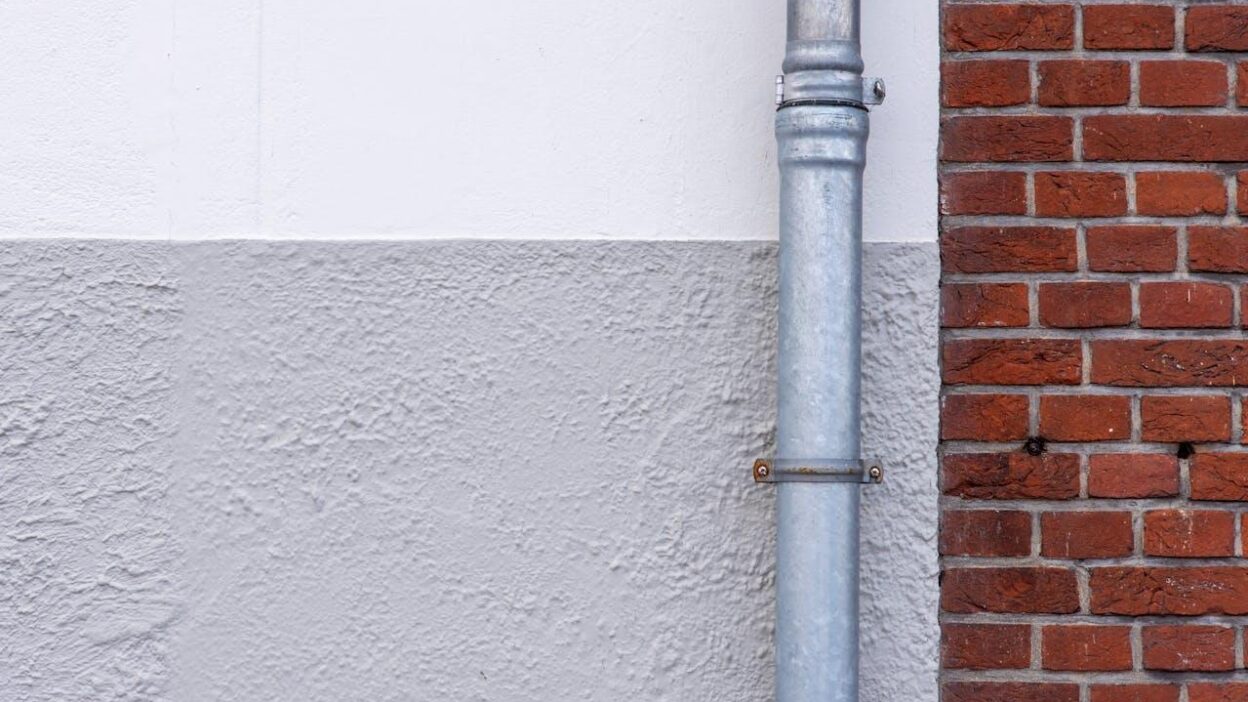
In addition, smart homeowners always pay close attention to drainage in Bradenton because heavy rainfall can create long-term property issues. Downspouts are often overlooked though they play an important role in redirecting water away from foundations where standing moisture could otherwise weaken structural materials gradually.
Moisture control inside the home matters equally. Bathrooms trap humidity constantly while kitchens release steam during cooking. Without proper airflow, dampness settles into drywall and wooden framing. Mold growth becomes more likely once moisture remains trapped in hidden spaces for extended periods.
A realistic example explains this clearly. A homeowner notices water pooling near the side of the house after storms though the issue seems temporary. Months later, cracks begin forming near interior flooring because moisture has slowly affected the foundation beneath the structure. The repair eventually costs thousands despite the original issue appearing minor initially.
Could many major home repairs be avoided through simple monthly inspections that take less than an hour?
Moisture Problems Never Stay Small For Long
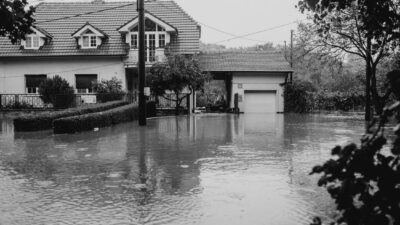
Water damage behaves differently from many other household issues because it spreads silently before becoming visible. A leaking pipe beneath a cabinet may appear insignificant though surrounding wood absorbs moisture gradually every single day. Paint bubbles later appear while flooring softens beneath nearby surfaces.
Humidity also accelerates damage faster than many homeowners realize. Warm air carrying moisture settles into enclosed areas where ventilation remains poor. Attics, laundry rooms and crawl spaces become especially vulnerable because airflow is often limited there.
Several maintenance habits reduce moisture-related risks significantly:
- Inspecting downspout drainage connections after heavy rainfall
- Checking under sinks regularly for slow leaks
- Monitoring ceilings for faint discoloration
- Using exhaust fans consistently in humid rooms
- Keeping exterior grading directed away from foundations
These habits may seem repetitive though repetition is exactly what protects homes long term. Small preventative actions interrupt damage before structural repairs become necessary. That consistency matters more than occasional deep inspections performed once yearly.
One uncomfortable truth exists here. Moisture damage usually becomes visible only after hidden materials have already been affected significantly. By the time flooring warps or walls stain visibly, the underlying issue has often existed for months.
Neglected Systems Create Expensive Surprises
Homes contain interconnected systems that rely on regular maintenance even when no immediate problems appear. Plumbing, ventilation and drainage all influence one another indirectly. When one area weakens, surrounding systems experience additional stress.
Air conditioning systems offer a good example. Dirty filters reduce airflow while excess moisture accumulates indoors more easily. That moisture settles into vents and insulation where mold growth becomes possible. The original issue may have started with a neglected filter though surrounding damage expands gradually afterward.
Roof maintenance is frequently delayed because visible damage does not always exist immediately. Loose flashing or tiny openings around vents allow moisture inside slowly during storms. Water then travels beneath roofing materials while ceilings remain dry temporarily. Homeowners assume everything remains fine until stains eventually appear weeks later.
Consistency Protects Homes Better Than Panic Repairs
Emergency repairs receive the most attention because sudden damage creates urgency. Preventive maintenance rarely feels exciting which is exactly why many homeowners postpone it repeatedly. The irony becomes obvious later when small neglected problems create massive restoration projects.
Professionals increasingly encourage homeowners to stay ahead of breakdowns with proactive home system care rather than waiting for visible damage. Consistent inspections allow weak areas to be corrected before expensive structural repairs become necessary. Small maintenance routines create stability because systems remain functional longer under daily environmental stress.
Technology has improved home monitoring significantly in recent years. Moisture sensors, digital thermostats and leak-detection devices help identify problems earlier than before. These tools provide useful support though physical inspections still matter because hidden structural weaknesses cannot always be detected electronically.
Weather patterns have also become less predictable in many regions. Stronger storms, heavier rainfall and rapid temperature shifts place additional pressure on residential systems throughout the year. Homes that already contain small vulnerabilities become especially susceptible under those conditions.
Why wait for a major repair bill when smaller actions completed consistently can reduce those risks substantially?
A Well-Maintained Home Ages Differently
Homes that receive regular care develop differently from neglected properties. Structural materials remain stronger while indoor air quality stays healthier. Small repairs cost less because underlying systems continue functioning properly before widespread deterioration occurs.
Maintenance also affects emotional comfort more than many people realize. A house feels more secure when hidden problems are less likely developing silently behind walls or beneath flooring. Financial stress decreases because emergency repairs become less frequent. Stability inside a home depends heavily on the condition of systems people rarely think about daily.
One overlooked advantage involves resale value. Buyers notice signs of long-term care quickly even when they cannot identify every technical detail directly. Clean ventilation systems, dry foundations and stable flooring reflect consistent maintenance habits that influence trust during property evaluations.
A home is constantly responding to weather, humidity and daily use even when everything appears normal externally. That is why maintenance should never be viewed as occasional repair work alone. Small habits repeated consistently often decide whether a property remains structurally reliable for decades or slowly develops hidden damage that reshapes the entire living environment.