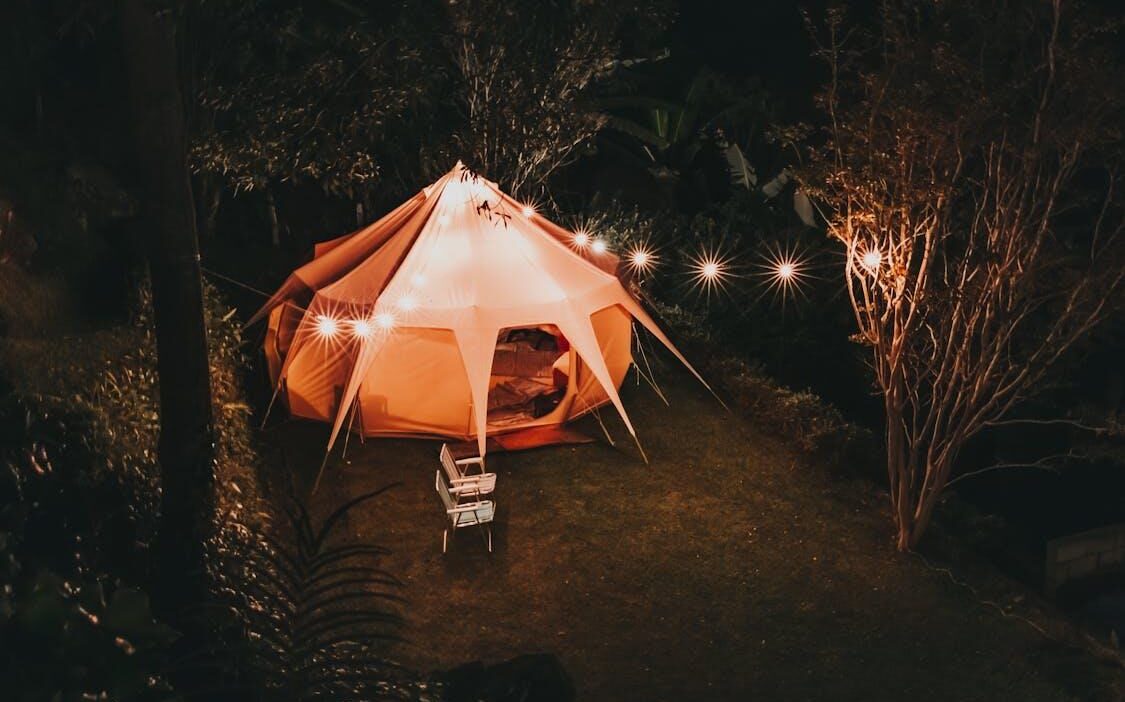
A restorative trip built around gentle outdoor living feels like stepping into a slower, quieter version of everyday life. No packed schedules, no pressure to move from one place to another, and no urge to keep checking what comes next. Time opens up in a way that feels almost unfamiliar at first. Mornings might stretch longer than expected, with sunlight easing into the space rather than rushing anyone awake. A simple setup outdoors, whether near trees, open land, or soft hills, creates a setting where doing less feels completely natural.
Shelter, seating, and shared spaces come together in a way that feels casual yet intentional. Natural materials and soft lighting create a space that invites people to stay put rather than wander off in search of something else. Gentle outdoor living turns travel into something where the focus stays on simply being present rather than filling every moment.
Choosing Shelter Setups
A good outdoor setup starts with a space that feels inviting right away, not something that needs constant adjusting or fixing. Canvas shelters, structured tents, and open-air layouts create a sense of ease that makes it tempting to settle in and stay awhile. The goal stays simple: a place where sitting, resting, or even doing nothing feels completely natural. Soft ground coverings, layered fabrics, and a bit of thoughtful spacing can turn a basic setup into something that feels comfortable without losing that outdoor connection. Air moves freely, light filters in gently, and the space never feels cut off from what’s happening outside.
A bit of planning behind the scenes can prove worthwhile. Looking into options from sources like Wall Tent Shop gives access to designs that feel sturdy and thoughtfully made, which can help shape a setup that lasts through changing weather and longer stays. A well-chosen tent does its job, offering shade during the day and a cozy spot at night without pulling attention away from the surroundings.
Selecting Quiet Locations
Location impacts the entire experience, especially during a trip focused on gentle outdoor living. Wide, open landscapes tend to create a natural pause, where sitting still feels just as valuable as doing something. A quiet meadow, a lakeside clearing, or a stretch of land with distant views can encourage time spent reading, journaling, or simply watching the surroundings. There’s no pressure to explore every corner. The setting itself holds enough interest to keep attention grounded.
Spaces like these tend to quiet the mind without effort. Distractions fade out, replaced by simple details like shifting light or the sound of wind passing through. Activities remain optional and light, which keeps the mood relaxed. A book might stay open for hours without much progress, or a journal might fill slowly over time. The focus stays on being present rather than productive, allowing the environment to guide how time is spent.
Preparing Meals That Match the Environment
Cooking outdoors during a restorative trip takes on a relaxed, almost playful energy that feels very different from everyday routines. No complicated recipes, no rush to get everything done at once, and no need to impress anyone. A small setup with a few essential tools is usually all it takes to get started. Ingredients sit out in the open, ready to be used at an easy pace, while a simple flame or portable stove handles the rest. The process feels calm and grounded, with sounds like simmering water or gentle crackling adding to the atmosphere. Nothing needs to happen quickly. A meal can come together slowly, with pauses in between for conversation, quiet moments, or just sitting back and enjoying the surroundings.
Eating follows the same laid-back tone, with no strict timing or formal setup. A meal might stretch out over a longer period, with people taking their time between bites while watching the light change or listening to the quiet around them. Morning food might be light and simple, something that feels easy to prepare and even easier to enjoy. Afternoon meals can come together without much planning, using whatever feels right in the moment. Evenings often bring a slightly warmer, cozier feel, with soft lighting and calm surroundings adding to the experience.
Structuring Days
Some trips feel like a checklist, but this kind of outdoor experience moves in the opposite direction. Time stretches out with no real urgency, and that shift changes how each day feels. There’s no pressure to wake up early for a plan or rush through breakfast to get somewhere. Instead, the day begins whenever it feels right, often guided by natural light or just a sense of readiness. Hours can pass without any structured activity, and that space invites rest, quiet thinking, or light movement.
Leaving space between moments allows the day to unfold in a more relaxed way. A short walk might happen, followed by a long pause back at the shelter. Reading, sitting, or simply watching the surroundings can take up large portions of time without feeling empty. Plans, if they exist, stay flexible and easy to adjust.
Spending Time on Low-Impact Activities
Gentle outdoor living leaves room for activities that feel easy and unforced. Walking at a casual pace, sketching nearby scenery, or observing small changes in the environment can fill the day without creating any pressure. There’s no need for physically demanding plans or packed itineraries. Movement happens naturally, often guided by curiosity or comfort rather than a set goal. A short walk might turn into a longer pause somewhere along the way, or a simple observation might hold attention longer than expected.
Moments like these feel open and flexible. There’s no expectation to accomplish anything, which makes each activity feel lighter. Sitting quietly or moving slowly becomes part of the experience instead of something to fill time. The body stays at ease, and the mind follows that same pace.
Keeping Group Sizes Small
A smaller group can completely change how a trip feels. Fewer people mean less noise, fewer competing plans, and more room for quiet moments. Conversations tend to flow effortlessly without needing structure, and silence never feels awkward. Everyone has space to enjoy the environment in their own way, whether that means reading, walking, or simply sitting still. The atmosphere stays calm, with no pressure to keep everyone entertained or involved at all times.
Shared moments feel more personal in a smaller setting. Meals become simple gatherings rather than big events, and downtime feels truly restful. There’s room for connection without it feeling overwhelming. People can drift in and out of conversations or activities without disrupting the flow. This balance creates a relaxed dynamic where everyone can settle into their own pace while still sharing the experience.
Gentle outdoor living shapes travel into something calm, open, and personal. Simple choices around space, time, and activity create an experience that feels easy from beginning to end, with no need for constant movement or structure.