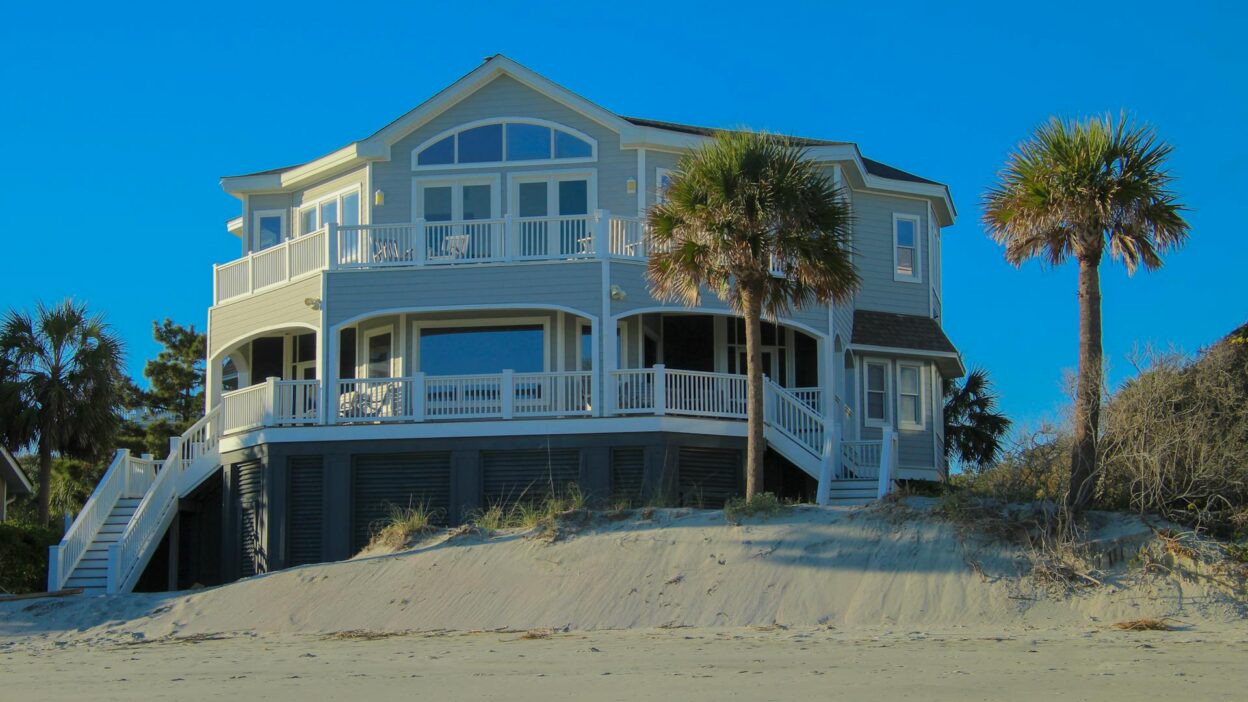
A vacation home offers more than just a place to stay. It gives you a chance to slow down and reconnect with family. In Palm Beach, FL, it goes a step further — the coastline, the clean streets, that quiet upscale feel. It pulls you in. You think, this is it.
But then you stay a few days, and small things show up. Storage feels tight. The couch isn’t right. Kitchen’s nice, but not set for real use. It still feels like a place you visit, not somewhere you settle into.
To make it work, you have to shape it. Not a full overhaul, just smart fixes, and a bit of effort in the right spots. That’s where it becomes from just a “nice house” to a place people actually want to stay in, linger, and come back to.
What Sort of Space Do You Want?
People jump straight into buying furniture or picking colors. That ends up messy. There’s no direction, just pieces thrown together.
Think about how the house will be used. Big family weekends? Quiet stays? You don’t need a full plan on paper, just a clear idea. Keep it simple. If you just need comfort, don’t crowd the rooms. If gatherings are the goal, make space for movement. You get the idea, right?
Prioritize Property Maintenance for Long-Term Comfort
You skip this, and everything else starts to fall apart, especially in Palm Beach, FL. Weather there doesn’t stay gentle. Heat, moisture, storms — they can all hit the house in different ways.
Paint fades quicker, and air systems work harder. Salt in the air creeps in and slowly wears things down. Now, of course, you can’t handle all of it yourself, especially when you’re in another city or state. That’s why you need to hire professionals for property management in Palm Beach, FL. They know the area and catch issues early. They keep systems running and handle repairs before they turn into bigger jobs.
It also means you arrive at a house that’s ready. Clean, working, no surprises. No time wasted fixing things when you should be relaxing. That alone makes the stay smoother.
Create Welcoming Living Areas for Everyone
Living rooms can go wrong. They can get either too formal or too cramped.
So, keep it open but not empty. Seating should face each other, not just a TV.
Add pieces that can move around. You could add stools and light chairs. This makes it easy for everyone to have conversations. You also need to focus on choosing the right materials. Go for fabrics that handle wear. Spills happen. Sand comes in. If everything feels fragile, people hold back. That’s not the point of a vacation home.
Design Bedrooms That Feel Restful and Personal
Bedrooms don’t need to impress. They need to work.
First, get your basics right — a solid bed, a good mattress, and proper pillows. If sleep feels off, everything else follows. People wake up tired, their mood dips, and the whole day shifts.
Keep the layout clean. Too much furniture just blocks space. A chair, a side table, that’s enough. Leave room to move around without bumping into things.
Add small personal touches, but don’t overdo it. A few framed photos, maybe a soft throw. Enough to feel warm, not crowded. Guests should feel like they can settle in, not tiptoe around someone else’s style.
Upgrade the Kitchen for Shared Meals
Kitchens get used more than expected. Even when people say they’ll eat out.
Make it easy to use. Tools should be within reach, not hidden away. Basic appliances need to work without fuss. Nothing kills the mood like struggling with a stove or missing essentials.
Counter space matters. If more than one person is cooking, they need room. Otherwise, it turns into a mess of elbows and frustration. And seating nearby helps. People gather there anyway, so give them a place to sit, talk, maybe sip something while food’s being made. It keeps everyone connected instead of scattered.
Make Outdoor Spaces Part of Daily Living
Outdoor space gets ignored or treated like a bonus. It shouldn’t. In a place like this, it’s half the experience.
You don’t need anything fancy. Just make it usable. Real seating, not stiff chairs no one touches. Oh, and don’t forget to add the right kind of shade. Direct sunlight isn’t always enjoyable. A simple cover or some umbrellas will do. Finally, add some soft lighting for evening relaxation.
Focus on Practical Storage Solutions
Stuff builds up quickly – towels, bags, extra clothes, and random things people bring along. Without storage, it spreads everywhere.
You don’t need huge closets; just smart ones. Built-ins help, but even simple cabinets or benches with space inside can handle a lot.
Place storage where it’s needed, not hidden away. Near entry points, bedrooms, and kitchen corners. That way, things get put away without thinking about it.
And leave some space empty. Overfilling storage defeats the point. It should feel easy, not packed tight.
Add Entertainment Options for All Ages
You don’t need a full game room to entertain. You just need enough stuff to keep people engaged. A few board games, cards, maybe a simple media setup. That’s all it takes to bring people together. It fills those quiet gaps in the day.
But don’t overload it. Too many options and nothing gets used properly. Keep it focused.
Also mix it up — not just screens. Some people want quiet activities, while others want something social. Add both. It balances the space.
Keep Safety and Security in Check
This part gets pushed aside, but it sits in the background of everything. If something feels off, no one relaxes fully.
Check if the locks work and the doors close properly. Then shift your focus to alarms and detectors. Also, make sure you get switches and wiring inspected if you see flickering lights or sockets that don’t work.
If the house stays empty for a while, security systems help. Not just for protection, but peace of mind before you even arrive.
At some point, the house stops feeling like a project. You don’t notice the upgrades anymore. They just sit there, doing their job. The shift shows in small ways. People drop their bags and don’t look for the nearest exit. Mornings start slow without effort. Even quiet hours feel full instead of empty. It becomes a place that holds its own rhythm. Not loud, not forced, just steady. That’s when you know it worked.