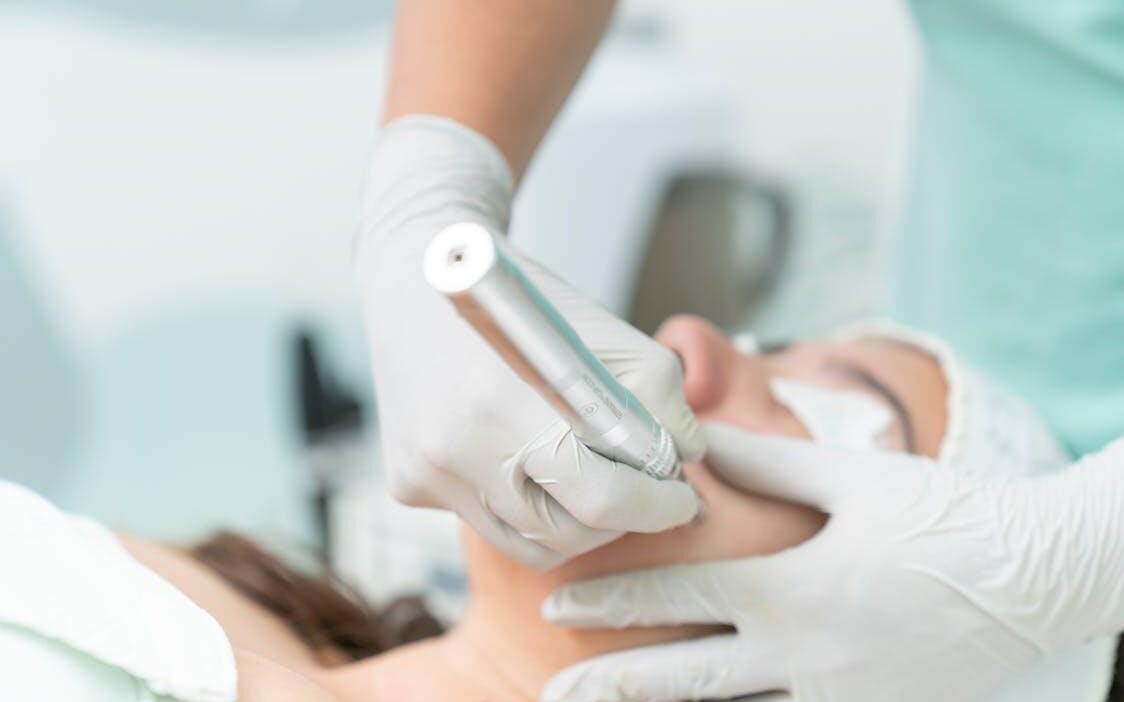
Skin issues rarely show up all at once. It’s usually gradual, the texture feels uneven, the tone looks dull, maybe old acne marks don’t fade the way you expected. You try products, switch routines, follow trends for a while. That’s where professional treatments start to enter the picture, especially in places where skincare options are widely available and constantly evolving.
In busy urban areas like Manhattan, skincare isn’t just about appearance. It’s tied to lifestyle. People want results that fit into their schedule without downtime dragging on for weeks. That’s part of why treatments like microneedling have become more common. They sit somewhere between basic skincare and more intensive procedures, offering a middle ground that feels manageable.
But before jumping into anything, it helps to understand what microneedling actually does, how it works, and whether it makes sense for your skin.
What Microneedling Really Is and How It Fits Into Modern Skin Care
Microneedling sounds more intense than it is. At its core, it’s a controlled skin treatment that uses very fine needles to create tiny, precise openings in the surface of your skin. That might sound harsh, but it’s done carefully, and the goal is simple: to trigger your body’s natural repair process. When your skin responds, it starts producing more collagen and elastin, which are the things that keep it firm and smooth.
This is why people turn to microneedling after trying creams that only work on the surface. Topical products can help, but they often don’t go deep enough to make a noticeable difference. Microneedling works differently. It encourages your skin to rebuild itself from within.
In areas where advanced skincare treatments are common, like Manhattan, clinics often use professional-grade devices and customize treatments based on your skin type and concerns. So, if you want to get a treatment like microneedling Manhattan houses experts who use cutting-edge devices and personalized treatment options. That level of care matters. It’s not just about using the tool. It’s about how it’s used, how deep the treatment goes, and how your skin is prepared and cared for afterward.
What’s important to understand is that microneedling isn’t random or aggressive. When done properly, it’s controlled, measured, and adjusted to your needs. That’s what makes it effective without being overly harsh.
What Skin Concerns Microneedling Can Help Improve
Microneedling isn’t meant to fix everything, but it does help with a range of common skin concerns. One of the biggest reasons people try it is for acne scars. Not deep, severe scarring—but the kind that leaves uneven texture behind. Over time, the treatment can soften those areas and make the skin look smoother.
It’s also used for fine lines. Not heavy wrinkles, but early signs of aging. The increased collagen production helps the skin look a bit firmer, a bit more even. The changes aren’t dramatic overnight, but they build over time.
Uneven tone is another reason people consider it. If your skin looks patchy or dull, microneedling can help improve that overall appearance. Pores may appear smaller as well, not because they shrink completely, but because the surrounding skin becomes more even.
Still, it’s important to stay realistic. Results vary. Some people notice a clear improvement, others see subtle changes. It depends on your skin, your routine, and how consistent you are with treatments.
What to Expect During the Procedure
The process itself is fairly straightforward. It usually starts with a consultation. Your skin is examined, and the provider decides how the treatment should be adjusted for you.
Before the procedure begins, a numbing cream is applied. This helps reduce discomfort, so you’re not dealing with sharp pain during the session. Once that takes effect, the microneedling device is passed over your skin in a controlled way.
You’ll feel some pressure, maybe a light prickling sensation, but most people describe it as manageable. It’s not completely comfortable, but it’s not something that feels overwhelming either.
The session itself doesn’t take long, often under an hour, depending on the area being treated. Afterward, your skin will look red, similar to a mild sunburn. That’s expected. It’s part of the process, not a sign that something went wrong.
Recovery and Aftercare: What Happens Next
After the session, your skin needs time to recover. The redness usually fades within a few days, though some sensitivity may linger a bit longer. During this time, your routine needs to stay simple.
Avoid harsh products. No strong exfoliants, no aggressive treatments layered on top. Your skin is already working to repair itself; you don’t need to push it further. Gentle cleansing, basic moisturizing, and sunscreen are enough.
Sun protection matters more than usual. Your skin is more sensitive after treatment, and exposure can slow the healing process or cause irritation. Staying out of direct sunlight for a short period helps.
The key thing to remember is that results don’t show up immediately. The real changes happen as collagen builds over time. It’s gradual. You won’t wake up the next day with completely different skin, but over weeks, the improvement becomes more noticeable.
Costs and Value: Is It Worth It?
Cost varies, and that can make the decision harder. Some clinics charge per session, others offer packages. Either way, it’s not usually a one-time treatment. Most people need a few sessions to see consistent results.
At first, it might seem expensive compared to skincare products. But if you’ve spent years trying different creams without much progress, the comparison shifts. Microneedling sits somewhere in the middle, not the cheapest option, but not the most expensive either.
The value comes from what it does over time. If your skin improves in a way that lasts, it often feels more worthwhile than short-term fixes that need constant replacement.
Still, it’s worth asking what’s included.
Choosing the Right Provider Without Overcomplicating It
Choosing where to go doesn’t have to be overwhelming. You don’t need to analyze everything in detail, but a few basics help.
Look for experience. Someone who performs the treatment regularly is more likely to adjust it properly for your skin. Ask questions during the consultation. How they approach different skin types, what results you can expect, and how they handle aftercare.
Pay attention to how they explain things. If it feels rushed or unclear, that’s usually a sign to keep looking. A good provider doesn’t push you into quick decisions. They explain, answer, and give you space to think.
Cleanliness matters too. The environment should feel professional, not casual or disorganized. It’s a small detail, but it reflects the overall standard of care.
Microneedling isn’t complicated, but it does require some thought before you start. It’s easy to focus on results and skip the details, but those details matter: your skin condition, the provider you choose, and how you handle aftercare.
Take your time with the decision. Ask questions, understand the process, and don’t expect immediate changes. This is a treatment that works gradually, not instantly.
When approached the right way, it becomes less about chasing perfect skin and more about improving what you already have. And for most people, that’s enough.