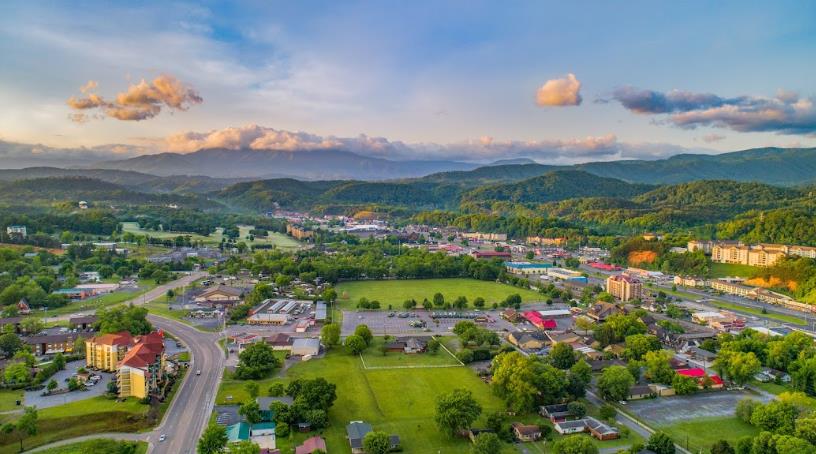
Pigeon Forge has changed over the years. It’s still tied to the Smoky Mountains, still draws people in for the scenery, but what visitors look for once they arrive feels different now. It’s not just about driving through or stopping for views. People want something to do, something active, something that stands out from everyday life.
You can see it in how trips are planned. Less focus on checking off places, more focus on finding experiences. Families, couples, even solo travelers, they’re all looking for something that feels a bit different. Not extreme, not complicated, just something memorable.
That shift didn’t happen overnight. It built up slowly. Stress levels are higher, routines are tighter, and time off feels more valuable than it used to. So when people travel, they don’t want to waste it on things that feel ordinary.
And places like Pigeon Forge have leaned into that. They’ve made it easier to find something that breaks the routine, even if just for a few minutes.
The Rise of Experience-Driven Attractions
Travel used to be more passive. You’d visit, look around, maybe take a few photos, then move on. Now people want to be part of what they’re doing. Not just watching, but actually experiencing it.
That’s where newer attractions come in. They’re built around interaction. Movement. Something that puts you in the middle of it instead of on the side.
If you’re planning a trip to Tennessee, be sure to check out this can’t-miss attraction in Pigeon Forge, where you can try something completely different, like rolling downhill inside a giant inflatable ball filled with water. Outdoor Gravity Park is known for zorbing, where visitors get inside large transparent spheres and roll down specially designed tracks. It’s structured, controlled, and designed to be fun rather than intimidating, which is why it appeals to such a wide range of people.
That kind of activity sticks. Not because it’s extreme, but because it’s unusual. You don’t do it every day.
And once people find something like that, it becomes the highlight of the trip, not just something extra.
Social Media and the Need for Shareable Moments
A big reason these activities get so much attention comes down to visibility. People share what they do, especially when it’s different.
A simple photo doesn’t always stand out anymore. But a short clip of someone rolling down a hill inside a giant sphere catches attention. It makes people stop scrolling.
That’s how interest spreads. One person posts, others see it, and curiosity builds. Suddenly, an activity that was once local starts getting attention from everywhere.
It’s not forced. It just happens because the experience looks interesting enough to share.
And over time, that sharing creates demand. People don’t want to miss out on something they’ve seen others enjoy.
The Psychology of Adrenaline and Excitement
There’s also a personal reason behind the trend. People want to feel something different. Daily life can get repetitive. Work, schedules, responsibilities; it all blends.
Thrilling activities break that pattern. Even briefly.
The moment you step into something unfamiliar, your focus shifts. You’re not thinking about emails or deadlines. You’re focused on what’s happening right now.
That kind of experience creates stronger memories. Not because it’s intense, but because it’s different.
Adrenaline plays a role, but it doesn’t have to be extreme. Even mild excitement is enough to make something stand out.
That’s what people are really looking for. Not danger, just a change in how they feel.
Accessibility Makes Adventure More Mainstream
What’s changed over time is how easy these activities are to try.
In the past, anything labeled “thrilling” felt out of reach for most people. Too difficult, too risky, too specialized. That’s not the case anymore.
Modern attractions are designed for a wider audience. Clear instructions, structured environments, and safety measures built in. You don’t need experience. You just need to be willing to try.
That shift opens things up. Families can participate. First-timers don’t feel out of place. Even people who are unsure at first often end up enjoying it once they get started.
The barrier is lower, so more people get involved.
And once they do, they’re more likely to try similar experiences in the future.
Social and Group Experiences Drive Participation
These activities aren’t just about the individual experience. They’re shared.
Doing something like this with others changes how it feels. There’s reaction, laughter, maybe a bit of hesitation at first. Then it turns into something everyone remembers.
That shared aspect matters. It’s easier to try something new when you’re not doing it alone.
Families use it as a way to spend time together. Friends turn it into part of the trip. Even couples look for experiences like this because they simply break the routine.
It’s not just about the activity itself. It’s about what happens around it.
Destinations Evolving to Meet Demand
Places like Pigeon Forge don’t stay the same. They adjust based on what visitors are looking for.
As demand for experiences grows, more attractions appear that focus on interaction instead of observation.
That keeps the destination relevant. Even people who have visited before find new things to try.
It also changes how long people stay. When there’s more to do, trips extend naturally.
The destination becomes more than just a stop. It becomes a place to spend time.
The Shift Toward Experience-Based Travel
Travel has shifted away from collecting places and moved toward collecting moments.
People don’t just remember where they went. They remember what they did, how it felt. Who they were with.
That’s why thrilling activities are gaining attention. They create those moments more easily than passive experiences do.
It’s not about replacing traditional travel. It’s about adding something to it.
And once that shift happens, expectations change. People start looking for experiences first, location second.
Thrilling activities are getting more attention because they offer something simple, something different.
They break routine, create memories, and give people a reason to talk about their trip long after it’s over.
Pigeon Forge shows how this works. The setting brings people in, but the experiences keep them engaged.
And as more travelers start choosing what to do over where to go, this kind of activity will only keep growing.