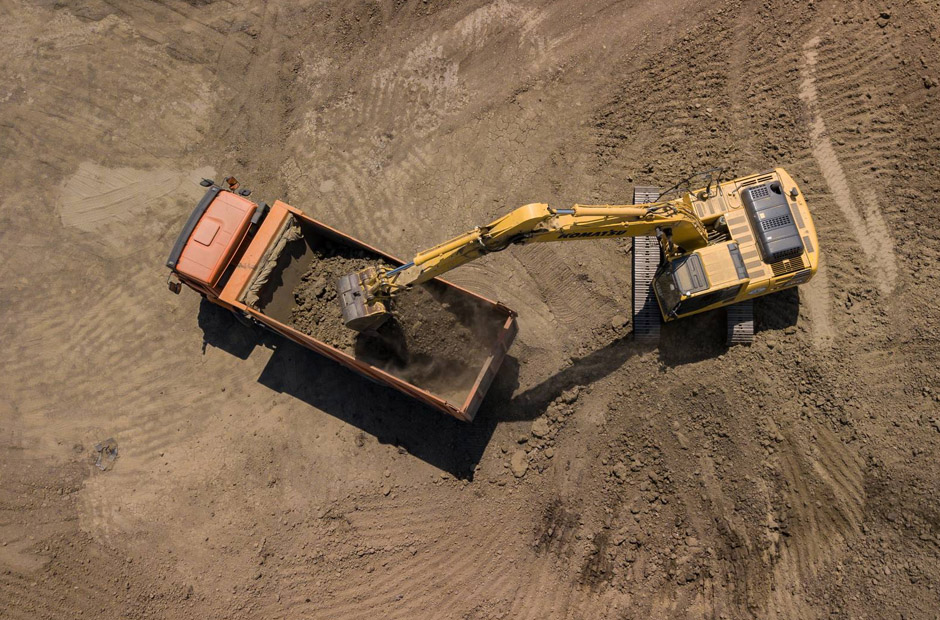
Across construction sites worldwide, technology is transforming traditional processes. Autonomous construction equipment is at the forefront of this change, delivering efficiency, improved safety, and precision once thought unimaginable. Industry professionals are quickly recognizing that investing in new construction machinery can secure a competitive edge while addressing labor and operational challenges. As automation continues to grow in popularity, understanding its role and impact becomes essential for those aiming to stay ahead in the sector.
Autonomous construction equipment utilizes advanced sensors, artificial intelligence, and machine learning to function with minimal human oversight. The integration of such technologies is not only modernizing job site workflows but is also proving valuable in filling skill gaps as experienced workers retire. As environmental standards and safety regulations tighten, companies find automated solutions useful for compliance and risk mitigation. This rapid shift is not merely a trend but a glimpse into the future of construction. As businesses adjust to this new reality, they must consider both immediate benefits and potential hurdles when adopting autonomous machinery on job sites. The following analysis explores these technologies, their advantages and challenges, and their real-world applications, shedding light on the evolving construction landscape.
Introduction
The construction sector is undergoing a significant transformation. Automation, powered by artificial intelligence, is optimizing critical tasks on job sites. These advancements are not just about replacing labor but about enhancing collaboration between humans and smart machines. The shift is prompted by several challenges, such as persistent labor shortages, safety concerns, and the need to improve overall productivity.
What Is Autonomous Construction Equipment?
Autonomous construction equipment includes machinery such as excavators, bulldozers, graders, and haul trucks that operate with minimal or no direct human intervention. These machines feature a suite of technologies, including LIDAR, radar, GPS, and robust on-board computing. By processing data in real-time, they can navigate complex job sites, avoid obstacles, perform precise digging or grading, and even work in harsh weather conditions. The seamless integration of telematics further enables fleet managers to monitor equipment and optimize usage from remote locations.
Benefits of Autonomous Machinery
- Increased Efficiency:Autonomous machines can run continuously, reducing downtime and accelerating project completion. Projects that once took months can be finished in significantly less time, boosting organizational productivity.
- Enhanced Safety:Construction work is hazardous, but automation reduces exposure to dangerous environments. Autonomous systems handle repetitive or high-risk tasks, reducing injury and fatality rates on job sites.
- Cost Savings:While the upfront investment may be high, companies benefit from reduced labor costs, minimized errors, less rework, and more optimal use of resources.
Challenges in Implementation
Adopting autonomous construction machines Singapore is not without its obstacles. The technology is evolving rapidly, yet wide-scale implementation requires overcoming several challenges:
- High Initial Investment:The cost of acquiring autonomous machinery and upgrading infrastructure can be substantial. This is a significant barrier for smaller contractors or companies operating on thin margins. Companies must weigh these initial costs against long-term benefits.
- Technical Limitations:While autonomous technology continues to improve, complex tasks and unpredictable environments can present problems. Machines may need human oversight in scenarios involving intricate manual dexterity, changing terrain, or unexpected obstacles.
- Workforce Transition:Transitioning to automation requires reskilling workers, training operators to work alongside machines, and sometimes overcoming resistance from crews accustomed to traditional methods.
Real-World Applications
Autonomous equipment is already operational on job sites worldwide, demonstrating tangible advantages:
- Granite Construction:This company utilized machines fitted with Blue Light systems in Arizona and New Mexico to manage rolling and grading. The result has been a safer, more flexible approach to critical site tasks.
- Built Robotics:By retrofitting conventional excavators and bulldozers with automation technology, companies now complete trenching and grading efficiently while freeing up skilled workers for more complex assignments.
Future Outlook
The trajectory of autonomous construction equipment suggests broader adoption as technology matures and becomes more accessible. Increased investment in research and development will likely yield machines capable of handling sophisticated tasks, working in challenging environments, and seamlessly integrating with other digital tools such as BIM (Building Information Modeling) and IoT (Internet of Things) platforms. The future will see even greater cooperation between human workers and autonomous machines, leading to improved construction outcomes and safety standards.
Conclusion
Autonomous construction equipment is poised to reshape the industry. By automating repetitive and hazardous tasks, these machines are driving improvements in efficiency, safety, and cost-effectiveness. While challenges such as high initial investment and workforce adaptation remain, ongoing innovation and real-world success stories signal a promising future for autonomous solutions on job sites. Industry stakeholders who embrace this technology now will likely lead the charge in the next era of construction innovation.