Key Takeaways
- Know the warning signs of electrical emergencies and act without delay.
- Taking appropriate steps immediately can minimize damage and reduce injury risk.
- Preventive maintenance and education are essential for safer homes and workplaces.
Electricity is a fundamental part of our daily routines, powering everything from lighting and appliances to internet routers and security systems. Yet, when electrical systems malfunction, the consequences can quickly become hazardous. Understanding frequent electrical emergencies and knowing the correct steps to take can help you avoid injury and property damage. For fast help with urgent problems, consider contacting an emergency electrical services before the situation escalates.
Electrical emergencies are not always dramatic, but can still be dangerous. Sometimes a small spark or odd smell is the warning sign you need to prevent something more serious. Familiarizing yourself with the symptoms of common problems and the appropriate responses is critical for every homeowner or tenant. Many electrical mishaps stem from outdated wiring, bad weather, or overloaded circuits. Unfortunately, these issues can happen when least expected, so preparation is key. Following proven safety guidelines and routine maintenance checks greatly reduces your risk of costly or dangerous incidents. Stay proactive about addressing electrical warning signs, and keep the contact details of emergency professionals handy. When in doubt, calling a qualified electrician can make the difference between a minor fix and a major disaster.
Power Outages
Severe storms, transformer malfunctions, or failing infrastructure can cause unexpected power outages. The first step is to check whether your entire house is affected or if neighbors are also in the dark. Inspect your circuit breaker for any tripped switches and reset them as needed, but use caution; never force a breaker that is hot or sparking. Unplug delicate electronics and appliances to prevent damage from voltage surges when power returns. Keep flashlights and batteries easily accessible so you can move around safely. If the outage seems limited to your property and reset attempts fail, contact your utility provider or a professional electrician to troubleshoot the issue.
Electrical Fires
Electrical fires often begin in hidden spaces such as behind walls or inside appliances, making their early detection difficult. Common causes include outdated wiring, overloaded extension cords, or malfunctioning devices. If a fire erupts, immediately disconnect the power from the main breaker if it is safe to do so. Never use water on an electrical fire; water conducts electricity and can worsen the danger. Use a Class C fire extinguisher designed specifically for electrical incidents, and quickly evacuate everyone from the area if the fire cannot be controlled swiftly. After evacuation, call emergency services without delay. Even if the fire is extinguished, avoid re-entering until professionals have declared the area safe.
Electric Shocks
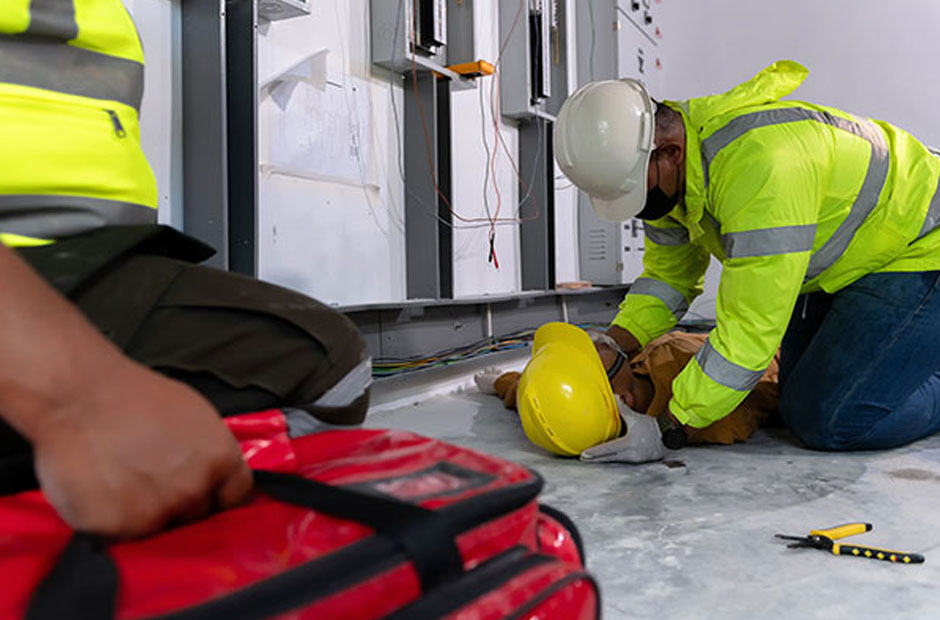
Receiving an electric shock can result from contact with exposed wiring, damaged outlets, or faulty electronic equipment. If you witness someone being shocked, do not touch them directly. Turn off the power source, if possible, and use a non-conductive item, such as a wooden broom handle, to gently pull them away from the electrical device or wire. Once separated, call for emergency medical help immediately, even if the victim appears fine, as internal injuries are possible. Common signs of electrical shock include burns, numbness, and difficulty breathing. While waiting for help, perform CPR only if you are trained and it becomes necessary. Always seek professional assessment for any exposed wiring or malfunctioning appliances that may have led to the shock.
Sparking Outlets
Visible sparks from an outlet are a clear sign that something is wrong, often indicating a short circuit, worn wiring, or moisture intrusion. Cease use of the affected outlet and turn off the power at the breaker to that area. Never attempt repairs on your own. Contact a licensed electrician to properly diagnose and fix the problem. Continuing to use a sparking outlet could ignite a fire or lead to an electric shock.
Burning Smells
Noticing a burning odor near outlets or fixtures usually indicates overheating or insulation melting. Shut off power to the area immediately and unplug any devices in the vicinity. Do not ignore persistent burning smells, even if you cannot pinpoint the source; hidden wiring issues pose a severe fire hazard if left unchecked. Arrange for a professional inspection before resuming use of the suspected outlet or circuit.
Flickering Lights
While an occasional flicker might indicate a loose bulb, consistent flickering throughout your home points to deeper problems such as unstable voltage, corroded connections, or faulty switches. Tighten bulbs and light fixtures to rule out simple fixes. If the problem continues, it is safer to have your electrical system checked by a licensed professional. Flickering lights in multiple rooms can also indicate problems with your main panel or utility supply.
Noisy Breaker Boxes
A properly functioning breaker box should be nearly silent. Frequent buzzing, crackling, or popping noises may signal overloaded circuits, arcing, or failing breakers. Avoid touching or tampering with a noisy electrical panel, as these symptoms can lead to fires or severe electric shocks. Contact a licensed electrician immediately for inspection and repairs. Scheduling regular maintenance appointments for your electrical system can prevent many of these issues before they become emergencies.
Preventive Measures
Safeguarding your property from electrical emergencies starts with routine inspections. Replace outdated wiring, fuses, and electrical panels as advised by professionals. Install surge protectors for expensive electronics and ensure smoke detectors are working properly. Teach all household members about safe electrical practices, such as avoiding overloaded outlets and never using frayed cords.
By maintaining regularly, staying alert to warning signs, and taking prompt action, you can minimize the risk of dangerous electrical situations. For those needing immediate help, always have contact information for emergency professionals ready; your safety and peace of mind depend on it.
Conclusion
Electrical emergencies can happen without warning, but knowing the signs and acting quickly can make all the difference. Whether it’s a flickering light, a burning smell, or a sparking outlet, recognizing these early indicators lets you respond before a minor issue becomes a serious hazard. Taking immediate and appropriate action helps protect both lives and property, reducing the risk of injury, fire, or costly damage. At the same time, consistent preventive maintenance and basic electrical safety knowledge are crucial for avoiding emergencies altogether. By staying informed, prepared, and proactive, you create a safer environment for your home or workplace. When in doubt, never hesitate to contact a professional. Prioritizing safety today can prevent major problems tomorrow.