Key Takeaways
- Using reclaimed and vintage materials supports waste reduction and adds one-of-a-kind style.
- Biophilic design connects interiors with nature, boosting well-being and productivity.
- Modern homes leverage energy-efficient technologies to save resources and costs.
- Modular and multi-functional furniture increases flexibility and the lifespan of home goods.
- Natural fibers and eco-friendly materials improve air quality for a healthier home.
Integrating sustainability into modern living environments is becoming a top priority for homeowners and interior designers alike. Whether building a new home or renovating an existing one, adapting eco-friendly design methods not only preserves precious resources but also enhances the quality and comfort of living spaces. From utilizing repurposed materials to embracing smart technologies, there are countless ways to make your home both beautiful and environmentally responsible. For those seeking flexible living options or making fast transitions, working with Cash homebuyers in NH & Eastern MA can be a practical part of the sustainability journey. Choosing sustainable solutions does more than benefit the planet. It also fosters healthier, more adaptable, and uniquely yours spaces. Whether you’re inspired by updated aesthetics, the charm of vintage finds, or the efficiency of cutting-edge technology, sustainable design trends offer creative pathways toward a better way of living.
Reclaimed and Vintage Materials
Incorporating reclaimed or vintage materials is a cornerstone of sustainable interior design. Reclaimed wood, such as salvaged barn beams or hardwood flooring, offers rich character and a sense of history that new materials cannot replicate. Meanwhile, vintage furniture pieces can serve as statement pieces that add authenticity and depth to rooms, while minimizing the energy required to manufacture new products. Sourcing locally whenever possible also reduces transportation emissions and supports community businesses. Repurposing items, like turning antique doors into headboards or restoring a mid-century dresser with eco-friendly finishes, encourages creativity and keeps usable materials out of landfills.
Biophilic Design Principles
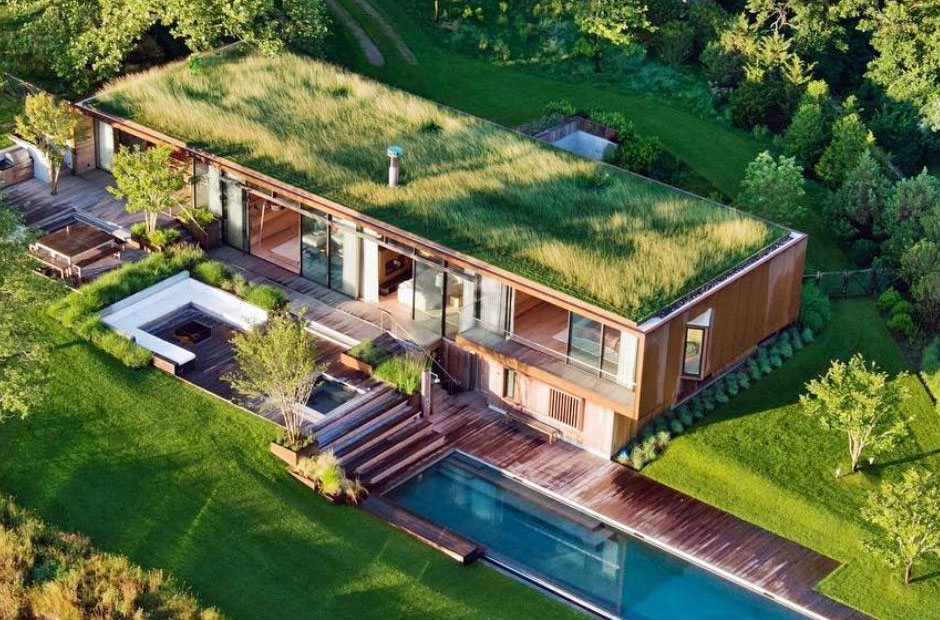
Biophilic design is defined by its emphasis on connecting interior spaces to nature. Features like living green walls, strategically placed indoor plants, and maximizing the natural flow of light through large windows or glass doors help foster a tranquil, lively atmosphere. This design philosophy is not limited to adding plants. It can also involve using natural materials such as stone, bamboo, or wool, as well as architectural choices that promote the movement of air and light. Designated spaces like sunrooms or indoor gardens blur the line between inside and outside, cultivating harmony with the natural world.
Energy-Efficient Technologies
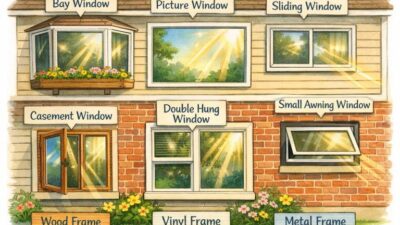
Modern sustainable homes excel in energy efficiency through both smart systems and structural improvements. Smart thermostats automatically adjust climate controls for optimal comfort while reducing waste. LED lighting systems and high-efficiency appliances use less energy and extend product lifespans. Insulation upgrades, double-glazed windows, and tight building envelopes retain heat, further reducing energy consumption and costs. Renewable energy installations, such as solar panel systems, are another popular trend. These home upgrades cut reliance on traditional utilities and can provide long-term savings. Many communities now offer incentives for homeowners investing in renewable energy, accelerating the shift toward cleaner living.
Modular and Multi-Functional Furniture
Flexible furniture solutions are key in sustainable design, particularly as lifestyles and home needs shift over time. Modular sofas, shelving units, and convertible pieces, like fold-out desks, can be easily reconfigured to support new layouts and uses. This adaptability reduces the urge to replace furniture as needs change, thus lowering waste. Multi-functional furniture is especially suited for smaller living spaces, such as apartments or tiny homes, where maximizing functionality is essential. Options like extendable dining tables or ottomans with built-in storage help homeowners live more efficiently and comfortably.
Natural Fibers and Materials
Choosing natural materials, such as wool, linen, cotton, and hemp, creates comfortable and healthier home environments. These fibers are biodegradable, often allergen-free, and help improve indoor air quality. Unlike synthetic fabrics, natural fibers are often produced using less toxic manufacturing processes and support more responsible farming or harvesting practices. Sustainably sourced design elements, such as untreated wood, organic textiles, and natural stone, provide a tactile connection to the earth. Neutral color palettes derived from plant-based dyes or mineral pigments lend warmth and authenticity to interiors, rounding out the benefits of sustainable choices.
Conclusion
Sustainable design trends are reshaping modern living by prioritizing the environment, well-being, and style. Whether through incorporating vintage materials, embracing biophilic principles, leveraging energy-efficient technology, adopting modular furniture, or choosing natural fibers, homeowners can create spaces that are beautiful, durable, and mindful of our planet. Integrating these trends means investing in a healthier future while crafting homes that adapt to changing needs and express individual character.