Key Takeaways
- Integration of AI and IoT enhances real-time threat detection and response.
- Cloud-based solutions offer scalability and remote management capabilities.
- Converging physical and cybersecurity measures provides a holistic defense approach.
- Regular system audits and updates are crucial for maintaining security efficacy.
In today’s dynamic business environment, safeguarding physical and digital assets remains essential. A single breach can disrupt operations, impact a company’s reputation, and result in significant financial loss. To meet these heightened demands, modern commercial security systems have adopted innovative solutions, making them far more effective than traditional measures. As such, businesses must stay informed about business security systems that combine advanced technology with proactive strategies in order to ensure comprehensive safety.
Organizations no longer rely solely on reactive measures like guards and basic alarms. Instead, smart security infrastructures blend Artificial Intelligence, Internet of Things sensors, and cloud platforms, offering multi-layered defense. These smart systems not only protect against immediate threats but also enable monitoring, reporting, and recovery in real time. This approach allows organizations to minimize vulnerabilities, enhance efficiency, and safeguard personnel as well as physical infrastructure.
With a growing frequency and complexity of security risks, evolving to contemporary security standards is vital for businesses of any size. Integrating technology-driven solutions can facilitate immediate response to emergencies, regular assessments, and rapid adaptation when threats arise. By understanding these strategies, businesses are empowered to make informed decisions regarding their security investments.
Strategic investment in security not only mitigates risk but can also fulfill compliance requirements and reduce potential liabilities. Comprehensive approaches that consider both technology and human factors are necessary. The following sections discuss actionable strategies that help organizations create robust and future-ready commercial security solutions.
Businesses seeking to better understand industry trends and standards can find additional guidance on commercial security at Security Magazine.
Integrating AI and IoT for Enhanced Surveillance
Artificial Intelligence and the Internet of Things have dramatically enhanced the capabilities of commercial surveillance systems. AI-driven cameras can analyze video feeds in real time, flagging suspicious actions or identifying unusual patterns. This allows not only for live monitoring but for predictive analytics, in which the system alerts personnel before a potential incident can escalate.
Furthermore, integrated IoT devices such as sensors, smart locks, and environmental monitors ensure that every inch of a facility is under observation. By networking these devices, security systems maintain continual vigilance and can signal anomalies instantly, enabling immediate investigation. This level of automation offers a significant advantage over traditional, manually monitored surveillance systems.
Adopting Cloud-Based Security Solutions
Cloud technology has revolutionized data management for commercial security systems. Moving security operations to the cloud provides several benefits, such as remote management, automatic backups, and greater scalability. Security administrators can monitor systems and manage permissions from anywhere, increasing responsiveness in the event of a security incident.
Cloud-based platforms also make collaboration easier. For example, incident logs and investigation footage can be shared quickly with law enforcement or insurance providers. With built-in redundancy, the risk of losing critical evidence due to device failure is drastically reduced. These solutions also support rapid scaling as business needs evolve, which is especially beneficial for organizations with multiple locations.
Converging Physical and Cybersecurity Measures
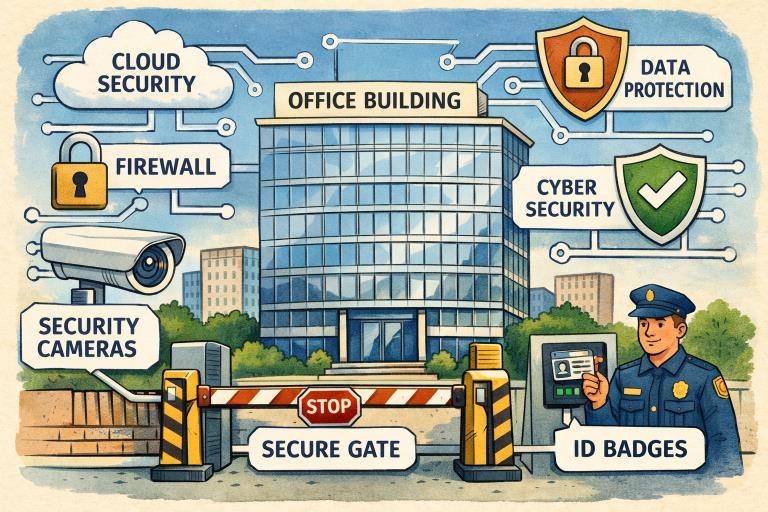
As offices, factories, and commercial spaces become increasingly digital, blending physical and cybersecurity strategies is now essential. For example, a breach in wireless access points or network-connected cameras could give bad actors a pathway into a physical facility. Integrating network security protocols with physical security technology ensures that all possible entry points, whether a door or a data port, are protected.
Unified management platforms allow organizations to synchronize their security efforts and address system vulnerabilities holistically. Instead of treating physical and digital threats separately, convergence provides a 360-degree defense model. This approach ensures prevention and rapid containment of simultaneous or cross-channel attacks.
Implementing Advanced Access Control Systems
Gone are the days of simple locks and plastic keycards. Modern access control systems use biometrics such as fingerprint, palm, or facial recognition to restrict entry precisely. These measures are more difficult to bypass and offer exceptional flexibility. For example, businesses can grant staff different levels of clearance according to their roles and easily revoke privileges as needed.
Mobile-enabled access systems add further convenience while reducing the risk associated with physical keys or easily lost cards. Data-rich audit logs track every access event, providing organizations with both deterrence and a detailed record for post-incident analysis.
Conducting Regular Security Audits and Updates
Security systems are not “set and forget” solutions. Periodic audits help businesses spot outdated tools or emerging vulnerabilities, ensuring security measures remain current and effective. Updates for both software and hardware components are necessary to guard against new threats.
A robust maintenance program includes scheduled reviews, vulnerability scans, and immediate application of critical patches or upgrades. This helps organizations stay one step ahead of evolving tactics used by cybercriminals and other threat actors.
Training Staff on Security Protocols
No matter how sophisticated a commercial security system is, human error can render even the best setup ineffective. A strong training program for all employees covers proper use of equipment, security best practices, emergency procedures, and tactics for recognizing social engineering attempts.
Routine drills and scenario training, updated policies, and visible leadership involvement boost awareness among staff and foster a culture of vigilance throughout the organization.
Leveraging Data Analytics for Proactive Security
Data analytics are a powerful tool for predicting and preventing security incidents before they occur. By mining historical and real-time data, analytics platforms can reveal patterns, such as unusual after-hours activity or frequent failed access attempts, that point toward emerging risks.
With these insights, businesses can anticipate threats and intervene early. Analytics-driven reports also support compliance and optimize future investments in security infrastructure.
Conclusion
Modern commercial enterprises need security strategies that combine advanced technology with comprehensive, ongoing management. By integrating AI, IoT, and cloud-based platforms, converging physical and cyber defenses, conducting regular audits, and fostering a well-trained security-conscious workforce, organizations can create resilient security systems capable of countering current and future threats.