Key Takeaways
- Traditional masculine norms often discourage men from seeking mental health support.
- Changing societal attitudes are gradually reducing stigma around men’s mental health.
- Open conversations and supportive communities play a crucial role in promoting men’s mental wellness.
Introduction
Men’s mental health remains a crucial but often under-discussed component of overall well-being. Generations of societal expectations have taught men to suppress emotions, avoid vulnerability, and adopt a “tough it out” attitude. This culture of silence affects how men recognize, address, and talk about their mental health. As the conversation becomes more open, there is growing recognition of the importance of therapy for men in Vancouver and beyond. Modern perspectives are beginning to challenge traditional norms, yet many men still hesitate to seek help. Mental health is not simply the absence of illness; it is about feeling supported and able to cope with daily life. Acknowledging the role of societal pressures and learning how to connect with safe spaces for male therapy makes a significant difference in the lives of many men.
Providing resources for men, including access to male therapists, men’s groups, and men’s mental health support networks, empowers men to speak openly about their mental wellness and break down long-standing barriers. In Vancouver, these services are increasingly accessible as men’s mental health emerges as a public conversation. Men are encouraged and supported through evolving spaces designed with their needs in mind, whether through one-on-one counseling or community-oriented groups. For more information on local options, including group and individual support, the Men’s Therapy Vancouver resource connects men to specialized services tailored to their unique experiences and mental health needs.
The Impact of Traditional Masculine Norms
For centuries, men have been socialized to value strength, independence, and emotional restraint. These ideals may foster resilience in some situations, but they can also position vulnerability as a weakness, making it harder for men to seek support or acknowledge distress. The Anxiety and Depression Association of America highlights that nearly 1 in 10 men experience depression or anxiety, but less than half receive treatment. Even more alarming, men are four times more likely to die by suicide than women.
This expectation to “man up” or handle problems silently can cut men off from loved ones and professional help. Such dynamics are evident across generations and cultures, contributing to higher suicide rates and lower overall mental health outcomes among men. Understanding and confronting these ingrained social codes is a crucial step towards healing.
Barriers to Seeking Help
- Stigma:Many men fear judgment or ridicule for admitting vulnerability or emotional pain. The misconception that emotional struggles are a sign of personal failure perpetuates self-stigma and silence.
- Lack of Awareness:Symptoms of depression, anxiety, or trauma can look different in men and are often masked as irritability, anger, or physical complaints. Without education about these presentations, men may not realize their experiences are valid mental health concerns.
- Societal Pressure:Expectations to solve problems independently or to avoid appearing weak lead many men to hide or minimize their struggles, resulting in untreated and escalating issues.
These barriers can have profound impacts, sometimes manifesting in substance use, aggression, or relationship breakdowns. According to a report from Time, in 2021, the U.S. suicide rate rose by 4% from the previous year, ending a two-year decline. The increase was most pronounced among young men, with males aged 15 to 24 experiencing an 8% rise.
Changing Attitudes and Increased Awareness
The narrative is shifting as more public figures, celebrities, and athletes open up about their personal struggles. When someone like Dwayne “The Rock” Johnson or Prince Harry discusses their mental health battles, it signals to men everywhere that vulnerability is not only acceptable but also a strength. These disclosures have a ripple effect, reducing stigma and allowing men to recognize they are not alone. As openness grows, workplaces, schools, and healthcare providers in Vancouver and around the world are offering more targeted support for men. Initiatives such as mental health awareness campaigns and programs designed for men’s unique life challenges are fostering a culture where reaching out is normalized and respected.
The Role of Supportive Communities
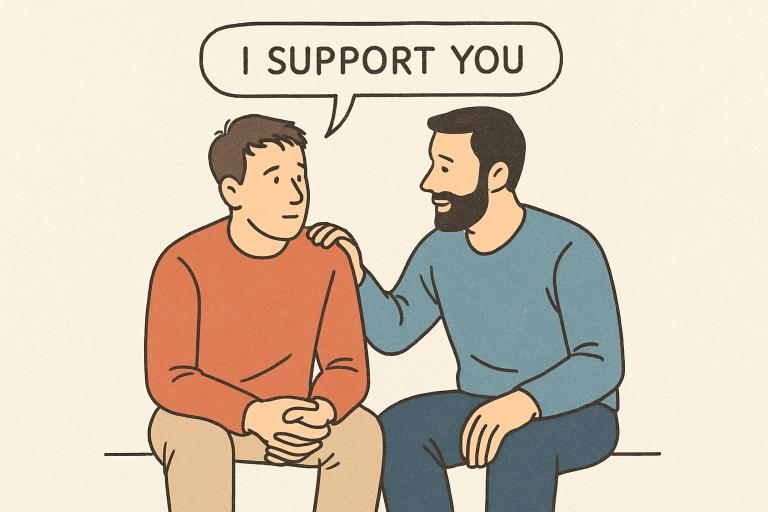
Peer support, men’s groups, and online communities are increasingly important in breaking down isolation. Men’s groups in Vancouver and elsewhere are designed to provide structured environments where men can discuss life’s challenges, share coping strategies, and provide mutual encouragement. These groups often focus on issues such as fatherhood, relationships, workplace stress, and emotional regulation, topics many men may find difficult to discuss elsewhere. Online spaces, such as dedicated forums and social media groups, offer anonymity and connection for men uncomfortable with in-person discussions. These platforms can bridge the gap for those beginning their journey towards better mental health, showing that help is accessible in many forms.
Encouraging Help-Seeking Behavior
- Education:Raising public awareness about the signs of mental health issues and resources available to men is essential. Accurate information helps men identify when and where to seek support.
- Normalizing Conversations:Whether at home, in sports clubs, or workplaces, encouraging regular talks about mental health builds familiarity and acceptance. Leaders and peers who model openness can inspire others.
- Accessible Services:Mental health services must be responsive to men’s needs, including the option to work with a male therapist or attend groups composed of only men. Offering a range of therapies, from one-on-one counseling to community-based support, addresses unique preferences and comfort levels.
Efforts to promote men’s mental wellness are making a difference in Vancouver and other cities. By providing dedicated services, public education, and supportive environments, more men are learning to ask for help, prioritize their mental health, and foster strong connections with peers.
Conclusion
The influence of societal expectations on men’s mental wellness is profound but not unchangeable. By recognizing and challenging traditional masculine norms, fostering open conversations, and creating pathways to supportive communities, we can help men feel seen, heard, and empowered to take charge of their mental health journey. Men’s therapy in Vancouver and similar resources elsewhere offer the support and understanding needed to break the cycle of silence and build a culture that values mental wellness for all.