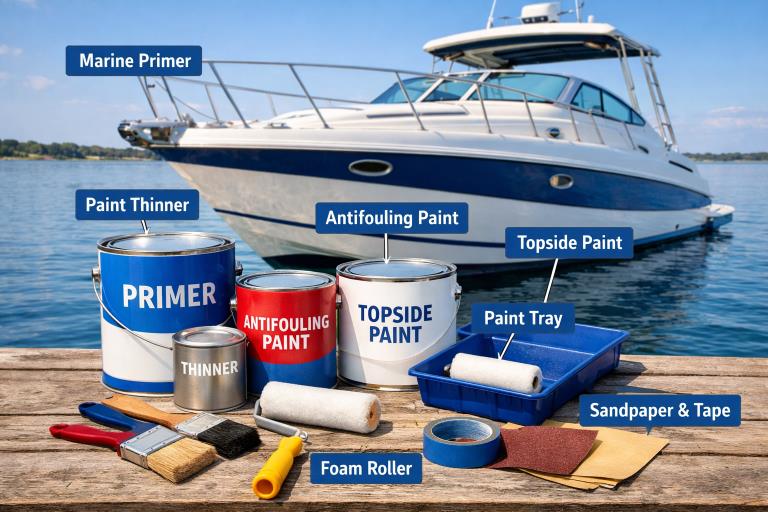
Maintaining your boat’s appearance and structural integrity requires thoughtfully choosing the right marine paint supplies. With countless options available across brands and formulations, knowing how to identify quality products can help you keep your vessel protected and looking its best. From UV resistance to preventing marine growth, the right marine paint supplies are essential for anyone invested in long-term performance and visual appeal. Whether you’re working on a newly acquired craft or maintaining an old favorite, having this knowledge will ensure years of worry-free enjoyment.
Navigating the world of marine coatings can feel overwhelming due to specialized options for different vessels, climates, and materials. Understanding the distinctions among products, assessing your boat’s unique needs, and planning for ongoing maintenance help you make a well-informed decision. Investing in the right supplies and following best practices pays dividends by reducing costly repairs and labor-intensive repainting.
Evaluating these considerations not only safeguards your investment but also protects your vessel’s performance during every voyage. Making the best choices at the outset can reduce the need for frequent touch-ups, provide greater protection against harsh environments, and extend the lifespan of your boat’s finish.
Before making a purchase, it’s wise to compare product features, regulatory compliance, and maintenance requirements. Each step in the process can either build on your boat’s durability or lead to early wear and unexpected expenses.
Understanding Marine Paint Types
Marine paints are designed to withstand some of the most challenging environmental conditions, including constant moisture and ultraviolet light. The primary categories you will encounter are topside paints and antifouling paints.
- Topside Paints:These are meant for surfaces above the waterline, offering UV resistance and a polished sheen. One-part polyurethanes are popular among DIYers for ease of use, while two-part systems provide even greater durability for those familiar with more complex application techniques. High-gloss, oil-based enamels also remain a standard choice for classic aesthetics and protection.
- Antifouling Paints:To safeguard hulls below the waterline from algae, barnacles, and other growth, antifouling paints use special biocidal agents. Consistent performance depends on choosing a formula that matches your local waters—what works in a freshwater lake may not offer the same protection in saltwater conditions.
Assessing Your Boat’s Material
The substrate of your vessel plays a crucial role in paint compatibility. Each material requires a paint system engineered to adhere and provide long-term resistance. For example, wood-hulled boats need a flexible paint that can accommodate seasonal expansion, whereas aluminum- and steel-hulled boats require coatings formulated to prevent corrosion or galvanic corrosion. Following the manufacturer’s recommendations for material compatibility helps avoid premature paint failure and unnecessary repair costs.
Evaluating Environmental Factors
Paints formulated for saltwater environments must handle the abrasive effects of salt, high UV exposure, and constant motion. Freshwater environments, while less aggressive, still pose their own challenges, including algal blooms and temperature swings. Besides water conditions, exposure to sunlight is a leading cause of paint degradation, making UV-blocking formulations a top priority in sunny climates. Carefully analyze your boating environment, whether you dock in high-traffic marinas or quiet coves, to influence your choices for protective coatings.
Prioritizing Durability and Protection
A well-chosen marine paint not only improves your boat’s appearance but also acts as a crucial barrier against corrosion, chemical attack, and physical abrasion. Advanced two-component systems, which mix a base and hardener, have become the standard for professional applications due to their exceptional resilience and lifespan. While slightly more expensive and technical to apply, their ROI easily offsets their higher initial cost by reducing frequent repainting and costly mid-season repairs.
Application Methods and Techniques
Achieving a flawless marine finish requires careful preparation. Begin with thorough surface cleaning to remove old paint, grime, and salt deposits, then sand to a uniform texture. Using the correct primer is crucial for optimal adhesion and maximizing your chosen paint’s performance. Depending on your area of coverage and materials, brushing, rolling, and spraying each offer unique benefits. Following the manufacturer’s instructions about temperature, humidity, and curing times prevents bubbling, cracking, or uneven gloss.
Budget Considerations
Settling for lower-quality marine paint might seem cost-effective at the time of purchase, but its lower durability can lead to premature aging and increased maintenance costs. Higher-quality products may require more upfront investment, but they extend the interval between full repaints and help minimize ongoing labor and product costs. Factor in both your short-term budget and the long-term obligations as you make your decision.
Environmental and Regulatory Compliance
Strict regulations govern the composition of marine paints, especially regarding environmental pollutants such as volatile organic compounds (VOCs) and certain antifouling agents. Many regions now require environmentally friendly products to minimize harm to aquatic habitats. Choosing paints that comply with the latest environmental standards demonstrates responsible stewardship and helps you avoid regulatory penalties. Always check your local guidelines for updates before beginning a new project.
Maintenance and Longevity
Routine care and inspection are vital in extending the lifespan of marine coatings. Inspect paint for chips, cracks, or fading at regular intervals, especially after periods of heavy use or harsh weather. Small touch-ups now can stave off larger, costlier repairs later. Selecting products known for their longevity and easy maintenance can simplify your schedule and extend your investment.
Choosing the best marine paint supplies involves careful consideration of your boat’s construction, intended environment, and quality expectations. Aligning your application methods, regulatory concerns, and budgeting strategies with industry best practices will yield a robust, beautiful vessel, freeing you up for more time on the water and fewer worries at the dock.