Key Takeaways
- Innovations in digital dentistry and artificial intelligence are setting new precedents in the precision and effectiveness of dental diagnostics and treatments.
- Minimally invasive procedures and biomimetic techniques help conserve natural tooth structure, enhancing longevity and reducing discomfort.
- Preventive and regenerative therapies are redefining oral care by addressing the root causes of enamel loss and gum deterioration.
Dental care is rapidly evolving, and so is our understanding of how to achieve and maintain lasting oral wellbeing. No longer confined to basic cleanings and cavity fillings, today’s dental landscape offers patients sophisticated tools and scientific breakthroughs, from digital diagnostics to targeted prevention strategies. One critical focus is the early identification and treatment of gum disease, which remains a leading cause of tooth loss and oral discomfort for adults worldwide.
Cutting-edge dental clinics blend innovation and patient-centered care by leveraging digital technologies, biomimetic materials, and personalized prevention programs. These comprehensive efforts mean that individuals can safeguard their oral health more effectively than ever before, often with less invasive procedures and improved comfort. With expanded access to technology, even high-level interventions are now within reach for a broader population. This shift is creating new standards for what it means to have a healthy smile in the modern world.
Advancements in Digital Dentistry
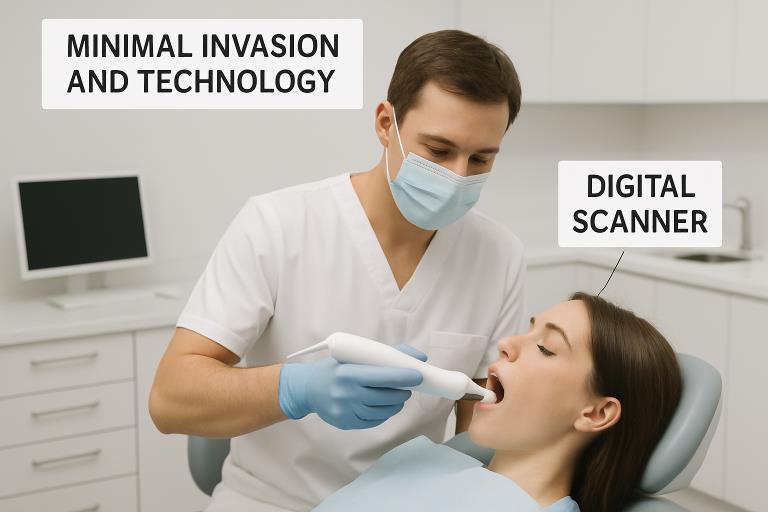
Digital dentistry has transformed patient care at every step, from diagnostics to treatment planning and follow-up. One of the cornerstone tools is Computer-Aided Design and Manufacturing (CAD/CAM), which allows for the rapid creation of dental restorations like crowns, bridges, and veneers with astonishing accuracy. The incorporation of three-dimensional printing now makes it possible to customize appliances and restorations that fit seamlessly within each individual’s mouth, often in a single appointment.
Artificial intelligence further enhances capability by analyzing imaging scans and X-rays to spot potential health risks, such as early-stage cavities or suspicious lesions suggestive of oral cancer. AI-powered platforms reduce human error and can help clinicians develop more targeted, predictive treatment plans. With the support of AI, dental professionals are empowered to deliver more effective care, and early interventions can help reduce long-term complications.
Minimally Invasive Techniques
Gone are the days when treating dental issues meant aggressive drilling or removing significant portions of a tooth. Newer methods prioritize the preservation of natural tooth material through minimally invasive approaches. Air abrasion gently removes early decay without the need for anesthesia and bulky equipment. Similarly, resin infiltration treats small cavities before they require fillings, while conservative restorations use micro-thin layers of composite resin for seamless repairs. These advancements mean that patients often experience less pain, lower costs, and shorter recovery times.
Biomimetic Materials
Biomimetic dentistry seeks to reconstruct teeth using materials and processes that closely imitate natural dental tissues. Modern ceramics like lithium disilicate and zirconia are widely used for their blend of strength, aesthetics, and biological compatibility. These biomaterials mimic the appearance and function of real teeth, blending seamlessly while also standing up to daily wear for years. As a result, restorative work becomes less noticeable and more durable. These advancements have made it possible for many patients to avoid full tooth replacement by preserving viable portions of natural teeth.
Preventive Measures and Enamel Regeneration
Traditional methods like regular cleanings and fluoride treatments are now being supplemented with advanced enamel regeneration options. Researchers have developed therapies based on hydroxyapatite and special peptides that actually rebuild demineralized enamel at the microscopic level. Unlike fluoride, which typically works on the enamel’s surface, these approaches allow essential minerals, like calcium and phosphate, to penetrate deep within tooth structure, providing more lasting protection.
Peptide-based products, notably those containing P11-4 technology, create a protein network that guides the formation of new hydroxyapatite crystals, effectively reversing tiny cavities before they progress. This not only lessens the need for more invasive treatments but also encourages a proactive mindset around oral health.
Teledentistry and Remote Monitoring
Many dental practices now offer consultations and aftercare guidance remotely via secure digital platforms. Teledentistry is especially valuable for busy individuals, families, or those in rural or underserved communities. Patients can receive professional advice, prescriptions, and even longitudinal case management without ever setting foot in an office. Wearable intraoral devices and sensors are being trialed to monitor changes in oral chemistry or mechanical stress, sending real-time alerts to both patients and care teams. This level of oversight makes it easier to catch emerging issues before they become serious problems.
The Role of Diet in Oral Health
Nutritional habits are foundational in supporting or undermining dental health. High levels of sugar, acid, and processed foods accelerate the breakdown of enamel and fuel bacteria that cause cavities and gum inflammation. Conversely, a diet centered around vegetables, fiber, lean protein, and dairy delivers the resources needed for healing and maintenance. Dentists are increasingly collaborating with nutritionists to help patients develop dietary routines that minimize risks. Strategies like mindful eating and avoiding frequent snacking also reduce prolonged acid exposure, protecting teeth throughout the day.
Conclusion
The evolving science of dental health prioritizes prevention, conservation, and personalized care. By embracing digital advancements, minimally invasive interventions, biomimetic materials, sophisticated preventive therapies, teledentistry, and healthy eating, individuals can enjoy stronger, healthier teeth for years to come. Staying proactive and informed is key. Innovative solutions are now making long-lasting oral health achievable for everyone.