Key Takeaways:
- Preventive care significantly reduces the risk of chronic diseases and associated healthcare costs.
- Early detection through regular screenings leads to better treatment outcomes and longevity.
- Investing in preventive measures can alleviate the financial burden on healthcare systems.
The Importance of Preventive Care
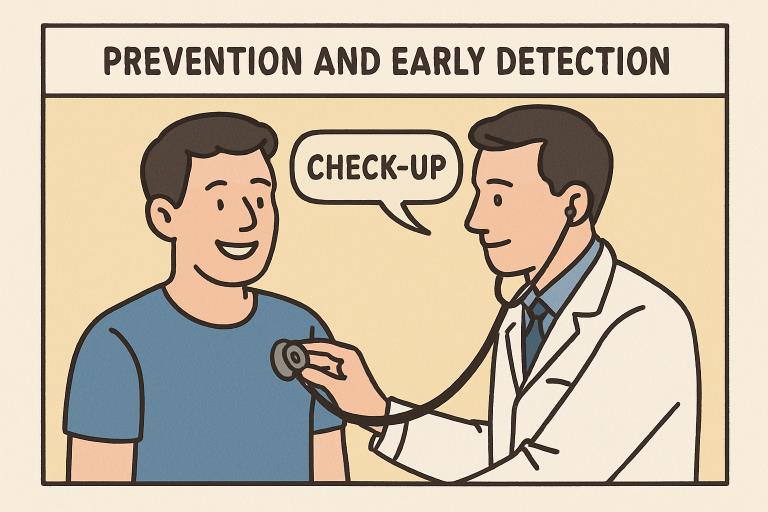
Preventive care is an essential component of a healthy lifestyle and robust healthcare system. It includes an array of medical services, from annual check-ups and vaccinations to screenings and lifestyle counseling, all designed to ward off illnesses before they develop or to catch them in their earliest stages. Accessing comprehensive preventive services like those provided by Linden Primary Care Doctors can help individuals stay proactive about their long-term health, reducing the risk of severe conditions and ensuring overall well-being.
When people prioritize preventive care, they actively contribute to the early identification and management of potential health issues. This commitment to prevention not only lessens the likelihood of developing chronic diseases but also supports the optimal use of healthcare resources by curbing unnecessary emergency visits and hospitalizations. Preventive care ultimately empowers individuals to take charge of their health and builds the foundation for healthier communities.
Reducing Chronic Disease Risk
Chronic diseases such as heart disease, diabetes, and certain cancers are among the leading causes of disability and death around the world. Preventive care plays a crucial role in reducing the prevalence and severity of these conditions. Through regular evaluations and screenings, like cholesterol tests, blood pressure monitoring, and cancer screenings, doctors can recognize risk factors before they become life-threatening. Approximately seven out of ten deaths in the United States are attributed to chronic diseases, many of which could be prevented or better managed with early intervention and sustained preventive care.
Effective preventive strategies also include advocating for healthy behaviors such as maintaining a balanced diet, engaging in regular physical activity, and limiting tobacco and alcohol use. These measures, when supported by routine medical guidance, significantly decrease the risk of chronic illness. For example, targeted health interventions for those at risk have the potential to reduce U.S. healthcare expenditures by hundreds of billions of dollars every year, emphasizing the high value of investing in preventive care across all populations.
Early Detection and Improved Outcomes
Early detection through scheduled screenings and age-appropriate health assessments gives patients a clear advantage. When problems are caught early, treatment is often more effective, less invasive, and less costly. For example, regular mammograms facilitate the early diagnosis of breast cancer, which is associated with higher survival rates and better quality of life. Similarly, colorectal cancer screenings have been shown to decrease the incidence of advanced disease through timely intervention.
Policy and insurance initiatives have also demonstrated the value of early preventive screening. Findings from the Oregon Health Insurance Experiment revealed that expanding health coverage leads to better preventive care utilization and increases the likelihood of receiving recommended screenings and vaccinations. When more people access preventive care, entire communities benefit from improved health outcomes and reduced disease transmission rates.
Economic Benefits of Preventive Care
The financial benefits of preventive healthcare are substantial. Preventing illnesses and managing health risks early helps keep medical costs affordable for individuals, insurers, and government programs. This efficient use of resources alleviates financial pressures on health systems and, over the long term, boosts productivity and economic stability.
A proactive approach to care encompassing timely immunizations, screenings, and behavioral counseling is estimated to save the U.S. healthcare system up to $2.2 trillion annually by the year 2040. Reducing the overall disease burden translates to fewer lost workdays, a healthier workforce, and substantial savings at every level of society. For additional reading, the World Health Organization has reported on the global economic impact of preventive health models.
Preventive Care and Health Equity
Ensuring fair and equal access to preventive care is essential for bridging health gaps among diverse populations. Disparities in access can arise due to socioeconomic status, geographic location, disability, or lack of health literacy. For instance, individuals with disabilities frequently face obstacles in obtaining the preventive services they need, resulting in poorer health outcomes compared to the general population.
Addressing these inequities requires systemic changes and policy interventions that remove barriers and enhance accessibility. Community outreach, insurance coverage expansion, and culturally appropriate care models all play critical roles in promoting health equity and ensuring no one is left behind.
Integrating Technology in Preventive Care
Innovation in technology is revolutionizing how preventive care is delivered. Digital health platforms, wearable devices, and artificial intelligence are making personalized health recommendations more accessible and accurate. These advances facilitate timely reminders for screenings, remote monitoring, and data-driven insights for both patients and providers.
For instance, AI-powered diagnostic tools can swiftly analyze medical images for early cancer detection, while mobile applications track daily health behaviors to encourage positive lifestyle changes. These tools are making preventive care more convenient and effective in improving overall health outcomes, especially for tech-savvy generations.
Challenges in Preventive Care Utilization
Despite its proven advantages, several factors hinder the effective use of preventive care. Socioeconomic disparities, lack of awareness, cultural barriers, and limited healthcare coverage are significant obstacles for many individuals. Solving these challenges requires a multifaceted approach involving education campaigns, policy reform, improved insurance access, and sustained efforts to reach underserved populations.
Healthcare providers, policymakers, and community leaders must collaborate to design and implement innovative strategies to boost the uptake of preventive services and inform populations about their long-term value.
Conclusion
Preventive care stands at the forefront of improving long-term health outcomes. By reducing the prevalence of chronic illnesses, enabling early intervention, promoting economic stability, advancing health equity, and leveraging technological innovation, preventive health measures build the roadmap to a healthier and more resilient future. Emphasizing and investing in preventive care today is a profound commitment to the well-being of individuals and society at large.