Pavers add timeless charm to outdoor spaces, but keeping them in pristine condition requires consistent and careful care. With just a bit of routine maintenance, you can keep your pavers looking vibrant and beautiful, enhancing your property’s appeal while ensuring long-term durability. For homeowners looking to maximize their investment, understanding the right care strategies is key to years of enjoyment and curb appeal. If you are looking for more details on long-term protection, this comprehensive guide to paver sealing covers how to seal pavers effectively for optimal results.
Whether you are overseeing a new installation or refreshing an older patio, the following upkeep tips are essential. By adopting best practices for regular cleaning, repair, and protection, you extend the life and beauty of your paved surfaces without unnecessary expense or hassle. Simple habits can prevent major issues, ensuring your outdoor spaces remain inviting and intact.
Neglecting maintenance may lead to accelerated fading, stains, or even structural problems. Because pavers are often a significant investment, keeping them in the best possible shape safeguards your property value. A systematic approach to cleaning, sealing, weed prevention, and seasonal care can make all the difference.
To boost your confidence in caring for your paved areas, this guide will break down each critical step, from cleaning and joint care to protecting against weather changes and heavy use. Let’s explore how regular and targeted maintenance ensures eye-catching pavers for many years.
Regular Cleaning
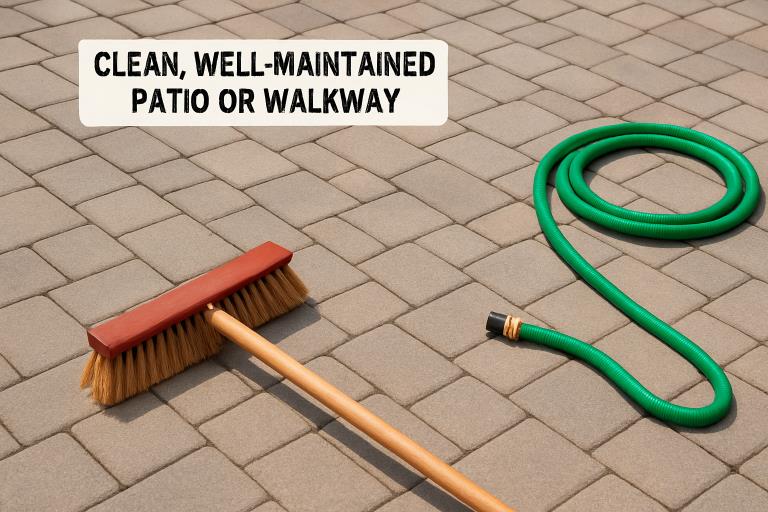
Consistent cleaning is the foundation of paver maintenance. Begin by sweeping your pavers at least once a week to remove leaves, dirt, and other organic debris, which can lead to stains and support weed growth. Use a broom with stiff bristles or a leaf blower to keep joints free of buildup. For a deeper wash, a garden hose or pressure washer set to a low power can remove embedded grime. Always use gentle settings, as too much pressure can erode joint sand and chip the pavers’ surfaces. Regular debris removal can also deter pests and reduce moss growth, helping you maintain a clean look more easily.
Sealing Pavers
Sealing is one of the best defenses against the elements. A quality paver sealer can preserve color, prevent fading, and provide resistance to oil, dirt, and moisture. The National Association of Landscape Professionals recommends reapplying sealer every 2 to 5 years, depending on climate and use. Before sealing, ensure your surface is completely clean and dry. Select a sealer formulated for your specific material (such as concrete, brick, or natural stone), and follow the manufacturer’s instructions carefully. Proper sealing not only enhances color but also blocks out contaminants, making future cleaning much easier. For more guidance on choosing and applying the right products, Better Homes & Gardens offers a breakdown of sealing options.
Preventing Weed Growth
Weed prevention saves time and preserves the structure of your paved areas. Weeds can quickly take root in open joints if neglected, so start by using polymeric sand when installing or re-sanding joints. This special sand locks in place when moistened, making it much harder for weeds to sprout or for ants to burrow. Sweep your pavers regularly to clear away fallen seeds or organic matter. Consider applying a pre-emergent herbicide in early spring to stop weed seeds from germinating without harming your paver surface. These steps can keep your joints tight and attractive season after season.
Addressing Stains Promptly
Oil spills, food stains, and organic material can discolor your pavers if left unchecked. Immediate action is vital. Blot up spills right away and wash lightly with a mix of warm water and mild detergent. For stubborn or older stains, use a paver-safe cleaning solution and gently scrub with a soft brush. Steer clear of bleach or acidic cleaners, which can etch or dull some paver finishes. For tips on treating specific stains, such as rust or grease, see The Spruce for safe, effective cleaning methods.
Repairing Damaged Pavers
Inspect your paver installation regularly for shifting, cracking, or chipping. Quick action can help you avoid more costly repairs in the future. Since pavers are modular, you can replace damaged units rather than pulling up an entire area. To do this, carefully remove the damaged paver, level the base beneath, and set a new one in place. If many pavers are shifting or settling, address underlying issues like drainage or base compaction to prevent recurrence.
Re-Sanding Joints
Joint sand helps lock pavers in place and provides a barrier against weeds and insects. Over time, rain and wind can wash out this sand, making your installation less stable. Re-sand the joints as needed, using polymeric sand for its ability to harden and resist erosion. After pouring in new sand, mist it lightly with water to activate the binders and lock the sand between the joints. This step keeps your surface resilient even through seasonal changes or frequent use.
Protecting Against Heavy Loads
Pavers are designed to withstand normal foot traffic and light vehicles, but overloading them can cause cracking or shifting. Avoid parking heavy trucks, RVs, or construction equipment on residential paver surfaces. When using heavy furniture or planters, position pads or mats underneath to distribute weight and prevent dents. Planning for intended use during installation will go a long way to keeping your pavers flawless. For more tips on long-term outdoor material durability, HGTV explains how to choose materials and reinforce vulnerable areas.
Seasonal Maintenance
Each season brings fresh maintenance needs. In spring, thoroughly sweep away winter leftovers and look for damage from freeze-thaw cycles. Summer’s intense sunlight may cause color to fade, so inspect your sealer and consider reapplying if needed. Clear autumn leaves promptly to avoid tannin stains and check drainage after heavy rains. In winter, shoveling snow with a plastic blade and using sand (not salt) for traction preserves both appearance and integrity. Avoid metal tools and harsh de-icers to protect your paver surface from scratches and chemical damage.
Through regular cleaning, proactive repairs, careful sealing, and seasonal touch-ups, you keep your pavers attractive and functional for decades. Consistent care rewards you with surfaces that remain sturdy, safe, and eye-catching, adding value and pride to your home.