Importance of Safety Netting
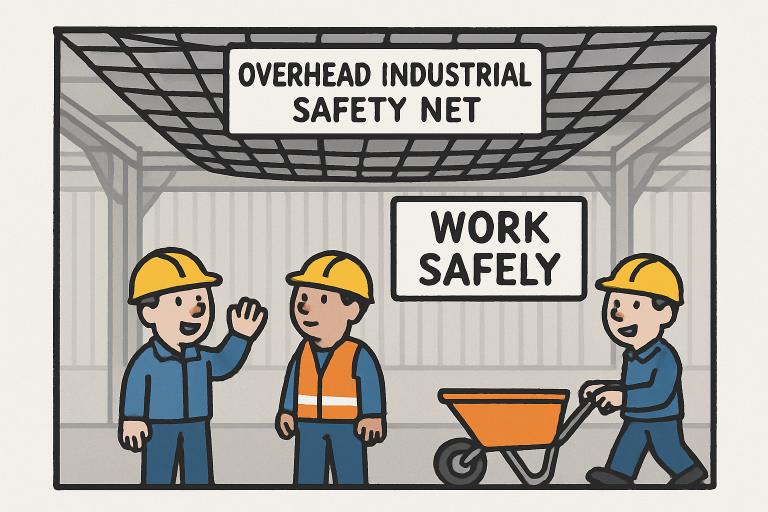
The safety of workers and bystanders is a primary responsibility in any industrial setting. Modern workplaces are filled with potential hazards, and falling objects or worker falls are among the most significant risks. Organizations are focusing heavily on risk mitigation strategies, including robust netting solutions. When seeking reputable industrial safety netting providers, consider companies that specialize in these protective systems.
Safety netting reduces the chance of critical injuries and fatalities. The National Safety Council reported that in 2022, workplace incidents resulted in thousands of deaths and even more injuries. These staggering statistics reinforce the necessity for businesses to be proactive about fall prevention and debris containment to enhance worker safety.
Beyond protecting lives, safety netting limits business interruptions. Injuries lead to regulatory scrutiny, insurance claims, and workforce downtime, all of which can disrupt productivity. Industrial netting solutions are especially vital in sectors such as construction, warehousing, and manufacturing, where elevated work platforms and heavy materials increase the risk of serious accidents.
As awareness of occupational risks grows, companies are encouraged to implement advanced safety protocols, including protective netting. Leveraging these strategies demonstrates a commitment to workplace wellness and helps businesses stay compliant with industry regulations and recommended standards.
In addition to its role in industrial fall protection, scaffold netting is essential for safeguarding personnel and pedestrians around construction zones. These specialized nets provide a barrier against debris and support compliance with safety guidelines unique to elevated or temporary worksites.
Types of Industrial Safety Netting
Industrial safety netting is available in a variety of forms, each crafted for a specific function within different work environments:
- Debris Netting:This type of netting is engineered to effectively contain materials and prevent falling objects from leaving the construction site or workspace. By catching loose tools, masonry fragments, or other materials, debris netting keeps both workers and nearby pedestrians out of harm’s way.
- Personnel Safety Nets:These heavy-duty nets are installed around work platforms or at elevated heights to catch workers in the event of accidental falls. This application is particularly crucial for construction sites and shipyards where employees perform tasks above ground level.
- Rack Guard Netting:Used in manufacturing and logistics centers, rack guard netting secures goods stored on shelving, reducing the risk of falling products, reducing product loss, and helping maintain a safe warehouse floor.
Key Features to Consider
Choosing the right safety netting involves an evaluation of technical characteristics to ensure effectiveness and durability:
- Material Strength:The tensile strength of netting depends on the material; nylon and polyester are most commonly used, as they combine flexibility with the ability to withstand significant impact loads.
- Mesh Size:Selecting mesh size is vital for proper containment. Finer mesh is needed to stop small debris, while larger openings may be suitable for general fall protection in less hazardous areas.
- UV Resistance:For installations exposed to sunlight, UV-stabilized netting is crucial to prevent material degradation and extend service life.
- Compliance with Standards:Ensure the netting you install meets industry standards like ANSI/ISEA 126-2015 or EN 1263-1, which outline performance and installation requirements.
Installation and Maintenance
Proper installation is the foundation of an effective scaffold netting system. It is recommended to employ experienced professionals for installation to guarantee secure anchoring and correct tensioning. Each workplace has unique configurations that may demand customized solutions, so professional expertise is critical.
Ongoing maintenance is equally important. Regular inspections of scaffold netting should be built into workplace safety routines to detect damage, abrasions, or deterioration that might compromise its effectiveness. Any worn or defective netting should be repaired or replaced immediately.
Workers also need training on the proper use and limits of scaffold netting. Familiarity with equipment increases compliance and safety outcomes, ensuring that risk reduction protocols are followed at all times.
Compliance with Safety Standards
Industrial facilities must comply with local and international safety codes governing the installation and use of netting. Regulatory bodies such as OSHA mandate specific requirements for fall protection and debris containment systems in work environments. Failing to adhere to these standards increases workers’ risk and may result in legal or financial penalties for employers.
Staying informed about regulatory updates ensures that netting solutions continue to meet evolving requirements and best practices for workplace protection. Information on the most recent workplace injury trends is regularly published by sources such as the Bureau of Labor Statistics, which helps highlight the sectors most in need of safety net upgrades.
Technological Advancements in Safety Netting
Recent advances are revolutionizing industrial netting solutions. For example, sensor-embedded nets can monitor structural integrity in real time, alerting supervisors to damage or loosening. This technology helps ensure immediate action can be taken before an incident occurs.
Augmented reality (AR) applications are now used to make safety inspections faster and more reliable. AR-enabled devices allow inspectors to visualize the netting layout and detect any gaps or weaknesses accurately, making the maintenance process more efficient and comprehensive.
Final Thoughts
Incorporating industrial safety netting is essential for fostering a safe, compliant workplace and reducing the potential for injuries, losses, and project delays. Businesses that understand the types of netting, core features, and maintenance protocols, and that keep current with new technology, are better positioned to protect their workforce and strengthen operational resilience.