Your outdoor space is a blank canvas. Whether you’re building a new yard or refreshing an old one, knowing the difference between hardscaping and landscaping is key. While often used interchangeably, they refer to different elements. Understanding how they work together will help you plan a space that looks great, functions well, and adds value to your home.
What Is Landscaping?
Landscaping refers to the living, natural elements of your outdoor space. Think plants, trees, shrubs, grass, flowers, and soil. It’s the greenery that softens the look of a yard and gives it life.
Good landscaping is more than just planting a few flowers. It involves understanding how different plants grow, how soil drains, and how sunlight moves across your property throughout the day. A well-designed landscape takes all of these factors into account to create something that’s both beautiful and sustainable.
Common landscaping elements include:
- Lawn turf and ground cover
- Garden beds with shrubs, perennials, and annuals
- Trees and hedges for shade and privacy
- Mulch, soil, and composting systems
- Irrigation and drainage systems
Landscaping is inherently dynamic. It changes with the seasons and requires regular care to stay looking its best.
What Is Hardscaping?
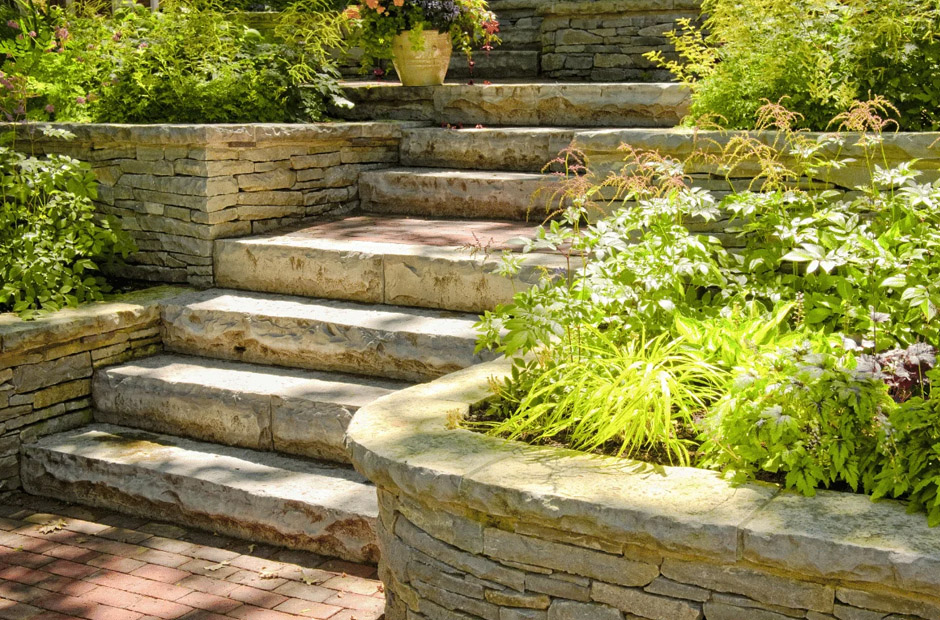
Hardscaping covers the non-living, structural elements of your outdoor space. These are the hard surfaces and built features that give a yard its shape, function, and framework.
Where landscaping brings softness and color, hardscaping brings structure and utility. A well-executed hardscape can transform an unusable patch of land into an outdoor living area that you actually want to spend time in.
Common hardscaping elements include:
- Patios and decks
- Walkways and driveways
- Retaining walls
- Outdoor kitchens and fire pits
- Fences and pergolas
- Swimming pools
Speaking of pools—if you’re considering adding one, working with a qualified pool builder in Utah is essential. Pools involve significant excavation, plumbing, and structural work that requires specialized expertise. A pool is one of the most complex hardscaping features you can add, but also one of the most rewarding.
Unlike plants, hardscaping elements don’t grow or change. Once installed, they’re largely fixed—which is why careful planning upfront is so important.
Maintenance: How Do They Compare?
One of the biggest practical differences between hardscaping and landscaping comes down to ongoing maintenance.
Landscaping Maintenance
Living plants need regular attention. Mowing, pruning, fertilizing, watering, and weeding are all part of keeping a landscape looking sharp. The level of effort depends heavily on what you plant. A lawn with high-maintenance grass varieties will demand far more of your time than native ground covers that thrive with minimal intervention.
Seasonal changes also play a role. Leaves need raking in fall, frost-sensitive plants need protection in winter, and spring brings a fresh round of planting and pruning. For many homeowners, landscaping maintenance is a year-round commitment.
Hardscaping Maintenance
Hardscaping is generally lower maintenance—but it’s not maintenance-free. Patios and walkways can crack over time, especially in climates with harsh freeze-thaw cycles. Retaining walls may shift if the drainage behind them isn’t properly managed. Decks made from wood need periodic sealing and staining to prevent rot.
The good news is that quality materials and professional installation can significantly reduce long-term upkeep. Porcelain pavers, for instance, are highly durable and resistant to staining, making them a popular choice for low-maintenance patios.
Costs: What Should You Budget For?
Costs vary widely depending on the size of your project, the materials you choose, and your location. That said, here are some general benchmarks to help you plan.
Landscaping Costs
Basic lawn seeding and garden bed installation are relatively affordable. Hiring a landscaper for a full garden redesign, including plants, mulch, soil preparation, and irrigation, can range from a few thousand dollars to well over $20,000 for larger properties.
Ongoing maintenance costs—whether you hire a lawn care service or do it yourself—also add up over time. Budget accordingly.
Hardscaping Costs
Hardscaping projects tend to have higher upfront costs due to materials and labor. A simple poured concrete patio might cost $3,000–$6,000, while a custom stone patio with an outdoor kitchen could run $30,000 or more. Retaining walls, driveways, and pools all carry their own price tags.
The upside? Many hardscaping improvements have a strong return on investment, especially in markets where outdoor living spaces are highly valued.
How to Balance Hardscaping and Landscaping
The most visually appealing and functional outdoor spaces combine both elements thoughtfully. Too much hardscaping and a yard can feel cold and uninviting. Too much landscaping without structure, and it can feel messy and hard to navigate.
Here’s how to strike the right balance:
Start with hardscaping. Establish the bones of your outdoor space first—the patios, walkways, and retaining walls. These elements define the layout and create the framework that everything else will work around.
Use landscaping to soften and fill. Once your hardscape is in place, use plants, trees, and garden beds to add warmth, color, and texture. Planting along the edges of a patio, for instance, helps it blend naturally into the surrounding yard.
Consider flow and function. Think about how people will move through the space. Walkways should connect key areas logically. Seating zones should have shade nearby. Garden beds should frame views rather than block them.
Match materials to your environment. Choose hardscaping materials that complement your home’s architecture and your local climate. Similarly, opt for plants that are well-suited to your soil and rainfall conditions—they’ll thrive with less effort.
Think long-term. Trees grow. Retaining walls age. Plan for how your outdoor space will evolve over the next five to ten years, not just how it looks on installation day.
How Each Affects Property Value
Both hardscaping and landscaping can boost property value, but they do so in different ways.
Landscaping has a well-documented impact on curb appeal. A tidy, well-planted front yard creates a strong first impression and can increase perceived home value. Studies have suggested that professional landscaping can add anywhere from 5% to 15% to a property’s value, though results vary by market.
Hardscaping improvements—particularly functional ones like a patio, deck, or pool—can significantly increase the usable square footage of a home. In regions with warm climates, an outdoor living area can be just as valuable as an additional room inside the house. A pool, while expensive to install and maintain, can be a major selling point in the right market.
The key is ensuring that both your hardscape and landscape are well-maintained and cohesive. A stunning patio surrounded by neglected, overgrown planting won’t impress buyers—or appraisers.
Conclusion
Hardscaping and landscaping are complementary. The best outdoor spaces use both strategically to let structure and nature work in harmony. When planning a project, map out hardscape elements like patios and walkways first. Then, build your landscaping plan around them. If you’re unsure where to begin, a landscape designer can help you see the full picture and save you time and money.